






The value of valves: why they are critical for effective plumbing systems in multi-occupancy buildings

Contents |
[edit] Why are valves critical for effective plumbing systems in multi-occupancy buildings
As the rise in multi-occupancy buildings continues, for these properties to be effective and comfortable for every occupant, it is important to optimise plumbing systems. Systems in multi-occupancy buildings are generally more complex than traditional domestic systems, but they can still remain highly efficient with correct specification and installation. Let’s explore the role of valves when ensuring essential performance in apartment blocks, student housing, and other multi-occupancy buildings.
There has been a growth in the number of multi-occupancy buildings (those that contain two or more units) in many parts of the UK in recent years, largely down to more people living in urban areas.
Apartments made up around 15% of new home registrations according to NHBC figures in Q3 2024, compared to 12% in the same quarter in 2021. In some regions, including the South East, South West, East of England and West Midlands, the number of houses of multiple occupancy (HMOs) – which is one type of multi-occupancy building – has increased by up to 10%, despite London skewing the national figures.
With 1.5 million new homes targeted by 2029, the need to deliver more housing quickly – and with limited space – ensures the number of apartment blocks, high rise. residential buildings, student housing and HMOs are only set to rise further.
The focus now turns to how developers and their contractors can ensure efficient, comfortable living for occupiers.
One of the most important product categories to help deliver that goal is valves, allowing for the effective control of water throughout the building and ensuring every outlet and appliance can draw on the water pressure required to deliver. Valves play a critical role in making sure every user in a multi-occupancy building has the performance needed for modern homes. When specifying valves, it is important to consider the individual characteristics of the building.
Water will also enter the building at much higher pressures than is safe for individual outlets to handle, so controlling this pressure with the right valves will be essential to performance, longevity, and user safety. With this in mind, there are a number of specific valves that should be included in multi-occupancy specifications. Here we will explore some of the most important.
[edit] Floreg Isolating Valve
This product limits the flow rate of a supply pipe to a set limit, conserving water and limiting water wastage at outlets. Used in individual outlets such as taps and appliances, floreg isolating valves allow plumbers to undertake repairs and maintenance on specific sections of the plumbing system without having to shut off and drain large sections of the system.
Easy to install and suitable for hot and cold water use, they can be used to maintain flow rates of the desired level, which helps to save water and energy, whilst providing even distribution when supplying multiple outlets. Precise flow control enables designers to size systems accurately, with flow regulators available from 4 to 15 L/min.
In addition, interchangeable regulators allow flow rates to be easily altered which makes them ideal for new build and retrofit applications.
[edit] Pressure Reducing Valves (PRVs)
PRVs control and regulate water pressure to reduce the risk of burst pipes, flooding and damage to heating systems and appliances. Vital for delivering safe and stable water supplies, PRVs also conserve energy by slowing down the water pressure to reduce the amount of water that comes out at the point of use and include filters for enhanced water purity. They should be fitted at the point where the mains pipework first enters the property, usually the kitchen.
PRVs are particularly useful in multi-occupancy properties, where more water is typically used than in a single domestic property. This pressure can lead to issues including pipe bursts.
[edit] Combination valves
The one-piece Tenant Valve Advance from Reliant Valves provides installers with a single solution that controls water pressure and monitors water usage and supply, whilst overcoming time and space constraints. Developed specially for multi-unit buildings including residential high-rises and office buildings, it delivers multiple functions within one self-contained unit. In fact, it includes all the elements that make up a chain of valves, which makes maintenance and servicing easier, as there is no need to check every connection point. The one-piece cartridge design also reduces potential leak points and installation labour costs.
Thermostatic Mixing Valves (TMVs)
Commonplace in many plumbing systems, TMVs blend hot and cold water to ensure safe and comfortable water temperature, reducing the risk of accidental injuries and burns.
They are multifunctional by design, preventing backflow and water impurities, as well as providing a fail-safe/ emergency shut off and tamper proof adjustment setting. Approved for basins, bidets, showers and high pressure fill baths, TMVs are quick and easy to install and provide ultimate protection to end users, while reducing water wastage and energy consumption. Crucially, they allow hot water systems to run at a high enough temperature to prevent Legionella bacteria from breeding.
When it comes to sizing TMVs, it is crucial that they are sized correctly for the specific application. Ensuring that a TMV is the right size allows mixed water to be delivered at a constant rate and an accurate set temperature, no matter how many outlets are being used.
With a growing number of people calling multi-occupancy properties home, it is imperative that plumbing and heating professionals have the tools and resources they need to meet the demands of such buildings. Valves are a great place to start, ensuring performance, safety, and stable systems for users.
This article appears in the AT Journal issue 154 summer 2025 as "The value of valves: why they are critical for effective plumbing systems in multi-occupancy buildings" written by Richard Bateman, Product Marketing Manager, RWC.
--CIAT
[edit] Related articles on Designing Buildings
- Approved Document G.
- A guide to installing thermostatic mixing valves: what, why and how.
- Building regulations.
- Care Standards Act 2000.
- CIAT articles.
- Domestic hot water.
- House in multiple occupation HMO.
- Hot water safety.
- Hot water safety in health and social care settings.
- Legionnaires' disease.
- Stagnation point.
- Thermostatic mixing valve.
- Types of valve.
- Valve.
- Water Regulations Advisory Scheme WRAS..
Featured articles and news
Costs and insolvencies mount for SMEs, despite growth

Construction sector under insolvency and wage bill pressure in part linked to National Insurance, says report.
The place for vitrified clay pipes in modern infrastructure
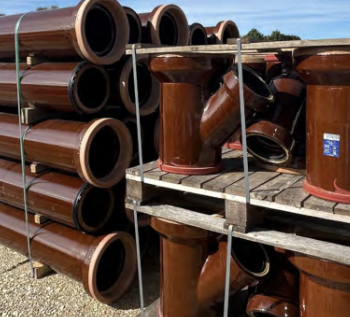
Why vitrified clay pipes are reclaiming their role in built projects.

Research by construction PR consultancy LMC published.
Roles and responsibilities of domestic clients
ACA Safety in Construction guide for domestic clients.
Fire door compliance in UK commercial buildings

Architect and manufacturer gives their low down.
Plumbing and heating for sustainability in new properties
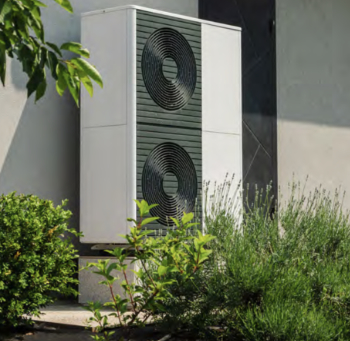
Technical Engineer runs through changes in regulations, innovations in materials, and product systems.
Awareness of the Carbon Border Adjustment Mechanism
What CBAM is and what to do about it.
The new towns and strategic environmental assessments

12 locations of the New Towns Taskforce reduced to 7 within the new towns draft programme and open consultation.

Buildings that changed the future of architecture. Book review.
The Sustainability Pathfinder© Handbook
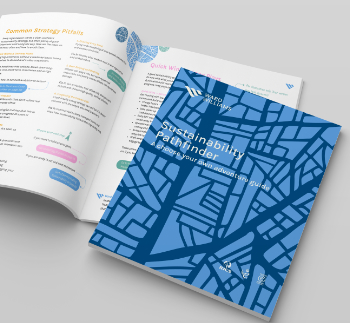
Built environment agency launches free Pathfinder© tool to help businesses progress sustainability strategies.

Government outcome to the late payment consultation, ECA reacts.
IHBC 2025 Gus Astley Student Award winners
Work on the role of hewing in UK historic conservation a win for Jack Parker of Oxford Brookes University.
Future Homes Building Standards and plug-in solar
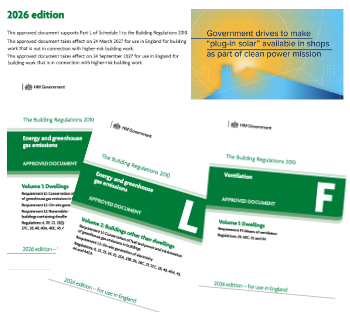
Parts F and L amendments, the availability of solar panels and industry responses.
How later living housing can help solve the housing crisis

Unlocking homes, unlocking lives.
Preparing safety case reports for HRBs under the BSA
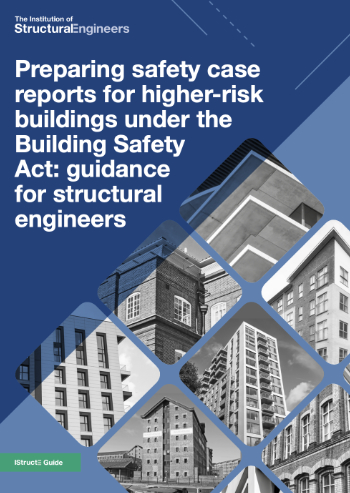
A new practical guide to preparing structural inputs for safety cases and safety case reports published by IStructE.
Male construction workers and prostate cancer

CIOB and Prostate Cancer UK encourage awareness of prostate cancer risks, and what to do about it.