






The history of non-domestic air tightness testing
In the 1980s BSRIA (Building Services Research and Information Association) undertook a project to develop a method of measuring natural ventilation in large buildings. The research indicated that actual air change rates were often greater than those assumed in the CIBSE Guide. However the database was too small to reach any definitive conclusions.
The technique did not lend itself well to large scale surveys. Typically for a single cell building it would require two man days to install the equipment, 8 – 10 hours to undertake the test, and a further day to dismantle the sampling tubes. During this test procedure large quantities of tracer gas were used, which had to be transported around the country, and after four days one measurement would have been recorded for one internal – external temperature difference, and for given wind speed and direction. While it provided some data, it was difficult to use to compare different buildings. Clearly, an alternative method was required.
During the measurement of ventilation rates of dwellings, the air leakage of different dwelling types had been measured using a pressurisation technique. It was a natural progression to develop this technique to measure the air leakage of larger buildings.
It was quickly appreciated that significant air flow rates would be required, and that any equipment would need to be readily transportable, capable of being attached to a double doorway, and self-contained. Nigel Potter, who was the project engineer in charge, knew that Land Rovers were sometimes used to power agricultural machinery using a power take-off. Further investigation however indicated that the power used was much less than that required for the proposed mobile fan.
After some discussion Land Rover agreed to upgrade the power train, with the then largest engine for the Land Rover, a 3500cc petrol. However this was not straightforward: the power take-off shaft was re-routed to emerge at the rear of the vehicle, which was where the petrol tank was located. Two tanks were therefore installed under the front seats of the vehicle, but this was where the battery was, so this was moved to beneath a bench seat at the rear of the vehicle.
Eventually both fan and vehicle were ready for use, and the BSRIA laboratories were used as a trial. During one of these trials representatives of Land Rover attended, and appeared quite content until they looked beneath the vehicle and saw a red hot exhaust.
With some minor modifications the vehicle was ready and a survey of 12 industrial buildings was carried out. This confirmed the earlier finding using the tracer gas results that natural ventilation rates within this type of building were generally greater than those suggested for sizing heating systems. It was clear that a robust method of establishing the air leakage of different sizes of buildings was required.
Various methods of normalising the air flow rate required to pressurise a building to 50 Pa were investigated, and after some deliberation the surface area of the walls and roof was used and the air leakage index was introduced. One of the reasons this was chosen was that most commercial buildings have concrete floors, which, it was surmised, would have a very low air leakage, and the air supplied would therefore be egressing from the rest of the structure. In devising this parameter, there was never any distinction made between a ground bearing concrete slab, and a ‘suspended’ concrete slab.
The natural ventilation rate was predicted using a computer program developed by BSRIA in the 1970s called CRKFLO.
A second survey was commissioned to investigate the air leakage of offices, and again this proved that quoted natural ventilation rates were too low. One person described it as a lottery as to whether the building constructed would have reasonable air tightness. A second survey was commissioned by BRE, for office buildings, increasing the size of the database. This further demonstrated that the magnitude of air leakage of office buildings (and hence the natural ventilation rate) was generally greater than design values quoted by CIBSE design information. Almost all of this work was part funded by the Department of the Environment, but after this survey, pressurisation testing started to be used commercially.
Initially this was to assist in identifying problems with a building, normally where the heating was failing to maintain the required air temperature and building services consultants started specifying air leakage rates for buildings. At this stage, reduction in energy consumption was not the main priority, but rather ensuring that buildings would perform as intended. Sometimes it was enhanced performance that was sought: a major retailer wanted to remove revolving and bi-parting doors, so that customers could enter their stores more easily, and to ensure the necessary low air leakage, all its new buildings were tested well before any regulatory requirements.
With the increasing demand, a Mark II Fan Rover was built, and the trailer re-designed so it no longer had to be disconnected and turned around to attach to the building and the Land Rover was changed to a 4 litre Discovery.
In 2002 air leakage testing was included within Approved Document Part L2A for non-domestic buildings, but this resulted in only about 30% of new buildings being tested. In 2006 it was included within the regulations themselves and it became mandatory for tests to be undertaken on all new non-domestic buildings and a sample of new dwellings. The parameter chosen was air permeability, i.e. including the ground bearing floor area.
The regulations have certainly had an effect – reducing permeability in non-domestic buildings from 30 – 40 m3/m2/hr to a typical 4-5 m3/m2/hr. Significant carbon and energy have been saved, engineers have the reassurance that their design intent is being met and occupants are more comfortable.
This article originally appeared in the December 2014 edition of BSRIA’s Delta T magazine. It was written by Tom Jones, Technical Manager, Air Tightness. It has been posted here by --BSRIA 09:37, 6 December 2014 (UTC)
[edit] Related articles on Designing Buildings Wiki
- Air change rates.
- Air infiltration.
- Air permeability testing.
- Air tightness in buildings.
- At a glance - Indoor air quality.
- BREEAM Testing and inspecting building fabric.
- Building services compliance with the building regulations.
- Building Research Establishment.
- BSRIA
- Domestic ventilation systems performance.
- Draughts in buildings.
- Performance gap.
- Primary air barrier.
- Thermal imaging to improve energy efficiency in building design.
- Thermographic survey.
- Ventilation
Featured articles and news
Costs and insolvencies mount for SMEs, despite growth

Construction sector under insolvency and wage bill pressure in part linked to National Insurance, says report.
The place for vitrified clay pipes in modern infrastructure
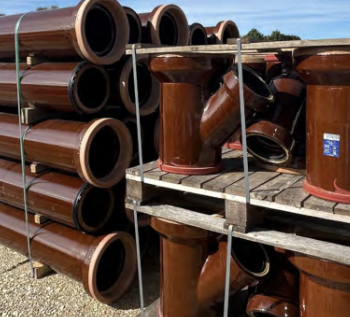
Why vitrified clay pipes are reclaiming their role in built projects.

Research by construction PR consultancy LMC published.
Roles and responsibilities of domestic clients

ACA Safety in Construction guide for domestic clients.
Fire door compliance in UK commercial buildings

Architect and manufacturer gives their low down.
Plumbing and heating for sustainability in new properties
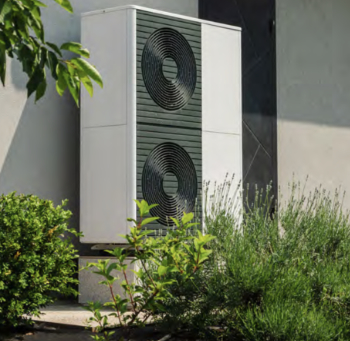
Technical Engineer runs through changes in regulations, innovations in materials, and product systems.
Awareness of the Carbon Border Adjustment Mechanism
What CBAM is and what to do about it.
The new towns and strategic environmental assessments
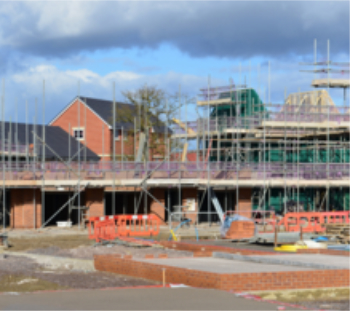
12 locations of the New Towns Taskforce reduced to 7 within the new towns draft programme and open consultation.

Buildings that changed the future of architecture. Book review.
The Sustainability Pathfinder© Handbook
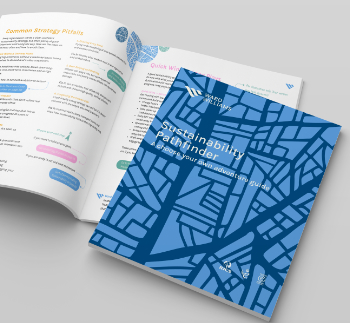
Built environment agency launches free Pathfinder© tool to help businesses progress sustainability strategies.

Government outcome to the late payment consultation, ECA reacts.
IHBC 2025 Gus Astley Student Award winners

Work on the role of hewing in UK historic conservation a win for Jack Parker of Oxford Brookes University.
Future Homes Building Standards and plug-in solar
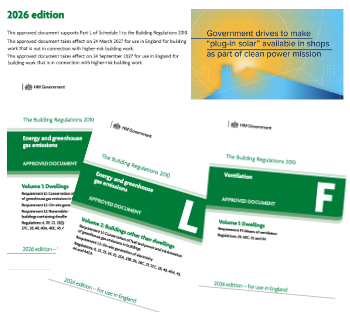
Parts F and L amendments, the availability of solar panels and industry responses.
How later living housing can help solve the housing crisis
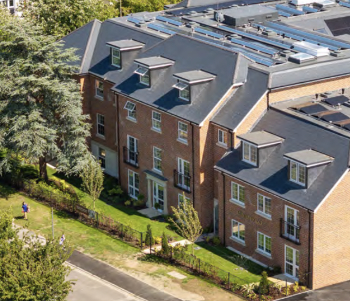
Unlocking homes, unlocking lives.
Preparing safety case reports for HRBs under the BSA
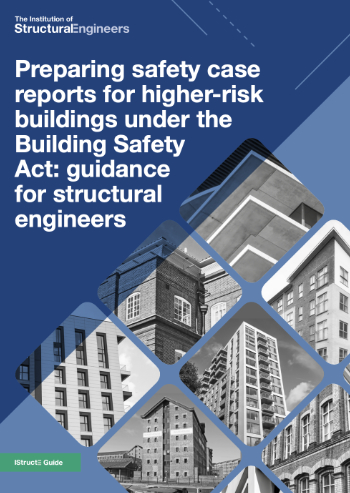
A new practical guide to preparing structural inputs for safety cases and safety case reports published by IStructE.
Male construction workers and prostate cancer

CIOB and Prostate Cancer UK encourage awareness of prostate cancer risks, and what to do about it.