





Surface render

Rendering is the process of applying a mixture to external, walls to achieve a smooth or textured surface. The mixture applied can can be mineral based such as lime render or cementitious such as concrete render, sometimes with a substrate such as insulation boards or with additives in the mixture to improve performance such as hemp, vermiculite, cork, polystyrene beads, and so on. It is usually applied in a similar way to internal to plastering, by hand with a trowel, though some finishes can be spray applied.
The term rendering can also refer to the synthesis of a photorealistic image from a 2 or 3D model or drawing, with a computer or through hand rendering techniques. See visualisation.
Render has waterproofing and fire rating qualities, but is also used for aesthetic purposes. It is very common in countries across Europe, particularly around the Mediterranean.
The main components of renders are cement, sand, lime and water. A common mix ratio used for rendering is 6 parts sand, 1 part cement and 1 part lime. Any general purpose cement can be used, although the sand should be fine and clean of impurities. Coarser sand is usually used as the base layer and slightly finer sand for the top layer.
Additives can be included in the mix that help with bonding or slowing the drying process, as well as pigments that alter the colour depending on the aesthetic requirements. By adding lime the render can be given a smoother texture, increasing its elasticity and making it less likely to crack after drying.
Render is usually mixed with a cement mixer which ensures an even mix with the addition of the correct amount of water. Render is then applied using a trowel in thin, smooth coats. A thin finishing top coat or finishing wash can be applied to achieve decorative effects. Depending on the surface texture finish required, top coats may be applied using a trowel, brush or sponge. There is considerable skill involved in achieving different textures, finishing styles and decorative effects.
Acrylic, pre-mixed rendering products have the advantage of superior water resistance and strength, allowing application to more challenging surfaces, such as concrete, cement sheeting or cladding such as expanded Polystyrene. Some types can also be applied using special spray equipment. Whilst traditional renders can take up to 28 days to fully set, acrylic renders can set in 24-48 hours.
A lime mortar (in which lime is used rather than cement) may be used for rendering older buildings, particularly if lime mortar was used in the original construction. This has greater flexibility and so is less likely to crack, and is ‘breathable’ allowing moisture to escape from the wall, promoting drying.
A more modern render which combines all of the above properties is a silicone enhanced render which is water repellent but where an acrylic render isn't breathable a silicone render is breathable like a lime mortar. In a range of colours and with its excellent breathable and water repellent properties, this is becoming a render of choice.
Building regulations may apply depending on the extent of the rendering work to external walls. The Planning Portal states that where 25% or more of an external wall is re-rendered, regulations will normally apply.
Listed buildings may need consent to be given for significant rendering works, and planning permission may be required before rendering a property in a conservation area or national park.
[edit] Related articles on Designing Buildings Wiki
- Blockwork.
- Brick.
- Brick veneer.
- Cement.
- Cement mortar.
- Concrete.
- Finishes.
- Grout.
- Lath and plaster.
- Lime mortar.
- Masonry.
- Mortar.
- Parge coat.
- Pebbledash.
- Plaster.
- Pointing.
- Polished plaster.
- Residential design and 3D rendering.
- Roughcast and pebbledash.
- Screed.
- Stucco.
- Wet trades.
[edit] External references
- DIY Doctor - Rendering exterior walls
- Planning Portal - External walls
- LMG Home Improvements - Silicone Rendering
Featured articles
Check out some of the best features and news from Designing Buildings as well as key stories from around the web.

The real barrier to getting more value from digital technology.

Your guide to The Construction Reset at UKCW Birmingham.

Accommodating the Victorian and Edwardian working woman. Book review.
Rethinking passive fire protection in design

PFP demands the same level of design rigour as structure or services.

38% of Gen Zs feel safe when a fire door is wedged open.
Stunning images from around the world
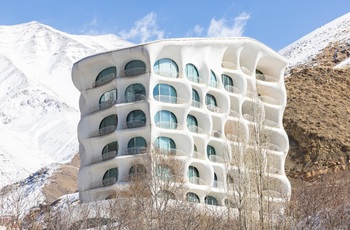
Shortlist for CIOB’s Art of Building photography competition.

Guidance for conversion of traditional pre-1919 stone buildings.
Industrial heritage in the Ruhr

A marked difference to the fate of industrial landscapes in the UK.

Communities will be able to build their own clean energy.
Why diversity and inclusion matters for SMEs

CIOB’s D&I Charter shows how practical changes can support long-term growth.
Cut electricity bills to power growth

Coalition sends joint letter to the Chancellor.

Gasholders: a history in pictures. Book review.
Comments
Very informative article - provides a comprehensive overview of the process of rendering outlining the technique, components involved, and explaining how it can be used for both aesthetic and practical purposes. I also liked the fact that the article highlights how there may be certain regulations or permissions needed depending on the extent of work being done, as well as noting alternative forms of rendering which can offer further benefits. Overall, this is a great resource for anyone looking to learn more about rendering!