





Largest-ever UK data survey on employee diversity

Contents |
[edit] Introduction
1 February 2023, London, UK — The Sustainability Tool, in partnership with the Supply Chain Sustainability School’s Fairness, Inclusion and Respect (FIR) Programme, has carried out the largest ever employee diversity survey in the UK, covering nearly 340,000 individuals.
Providing an in-depth record of diversity data, the survey tool has been tracking progress in the construction and utilities sector annually since 2016, with 2022 being the first-year companies reported pay gap data.
Employee data across 270 supply chains of eight major companies and two membership organisations was collected and analysed, including: HS2, National Highways, Network Rail, Transport for London, Environment Agency, Morgan Sindall, VolkerWessels, Cadent Gas, Infrastructure Client Group, and the Major Projects Association. This reflects a 206% increase in companies participating compared to 2021, in part due to a significant rise in contributions from SMEs (small and medium enterprises).
David O'Neil, Supply Chain Director at National Highways, said: “It's positive to see the progress being made and the growth in engagement throughout the supply chain. The results are becoming even more significant and representative. This has provided us with many themes/trends which, as a sector, we can use to connect leading practices and focus activity in collaboration with Highways Suppliers.”

[edit] Results
Despite increased engagement levels and sample size, diversity inequalities remain apparent (as notably highlighted by the attraction and recruitment statistics). Key takeaways from the 2022 survey include:
- Gender: inequality persists, with women making up only 23% of employees
- Ethnicity: representation of ethnic minority groups increased to 13.7% for 2022, but ethnic minorities representation was still 5% below the ONS UK population average
- Attraction and Recruitment: the application to hiring ratio ranged between 21:1 to 78:1 for Ethnic minority groups, 16:1 for white applicants, 16:1 for women, 22:1 for men and 22:1 for disabled people.
- Disability: the lack of data collection around disability persists, with 44.5% of employees not disclosing whether or not they have a disability
- Sexual orientation: disclosure is progressively increasing across the sector, yet only 1.7% of employees identify as part of the LGBTQ+ community for the sector. While this is an increase over previous years, it is well below the ONS UK population average of 3.1%
The survey plays an integral role in supporting the transport and infrastructure sector on its mission to engage and raise awareness of diversity, equality, and inclusion, as well as to establish benchmarks and set targets for the industry to work toward.
Osita Madu, Senior Equality, Diversity and Inclusion Manager, Supply Chain at HS2, said: “The data shows the true picture of the built environment sectors and shines a light on those who offer symbolic gestures but, in fact, resist change. It showcases those who are having courageous conversations and evolving inclusive organisations. We can compare the data year on year to identify what progress has been made and which areas we should focus on.”
[edit] The FIR Programme
The survey continues to be complemented by FIR Programme activities. Funded by CITB and run by the Supply Chain Sustainability School, the FIR Programme is anindustry-wide initiativethat aims tomake workplaces better for everyone.It provides free industry-endorsed training, workshops, resources and guidance materials along with a tailored Ambassador program and other initiatives to support businesses to be more innovative and profitable by addressing workplace culture challenges and helping to attract and retain people.
Paul Aldridge, Sustainability Director at WJ Group, said: “This annual exercise gives us an insight into our industry. It can shock and inspire and gives us an understanding of what we need to improve, helping build the FIR programme now and for the future. The constant improvement in participation is, in itself, a cause for great optimism that we can create an industry that is truly inclusive, where everyone is treated with fairness, inclusion and respect as a matter of course and can bring their whole selves to work.”
[edit] How to participate
The survey will re-open in Spring 2023, whereby all organisations working in the sector can participate.
Supply chain organisations are invited to anonymously report their employee data voluntarily within the Sustainability Tool, with categories including Gender, Age, Religion & Belief, Ethnicity, Sexual Orientation, Disability, Voluntary Leavers, Part-Time Status, Pay Gap, and Attraction & Recruitment.
Respondents have free access to in-depth and interactive dashboards that compare their employee base with the sector’s and the ONS UK population statistics.
The Diversity Survey is also available for usage across other industries, whilst the Sustainability Tool can help businesses report and manage sustainability performance across more than just diversity, whether within an organisation, its projects, contracts and supply chain. Organisations wishing to use the Diversity Survey or wider Sustainability Tool within their own supply chain should contact charles.naud@actionsustainability.com.
Access the full Diversity Survey 2022 results here.
This article was supplied via Press Release under the same title from the Supply Chain Sustainability School media office dated February 1, 2023.
[edit] Related articles on Designing Buildings
- Supplier.
- Supplier selection.
- Supply.
- Supply chains in construction
- Supply chain integration.
- Supply chain management.
- Supply chain sustainability school
- Sustainability appraisal.
- Sustainable development.
- Sustainable materials.
- Sustainable procurement.
- The Supply Chain Sustainability School releases Fairness Inclusion and Respect Report 2022.
Featured articles
Check out some of the best features and news from Designing Buildings as well as key stories from around the web.

Accommodating the Victorian and Edwardian working woman. Book review.
Rethinking passive fire protection in design

PFP demands the same level of design rigour as structure or services.

38% of Gen Zs feel safe when a fire door is wedged open.
Stunning images from around the world

Shortlist for CIOB’s Art of Building photography competition.

Guidance for conversion of traditional pre-1919 stone buildings.
Industrial heritage in the Ruhr

A marked difference to the fate of industrial landscapes in the UK.
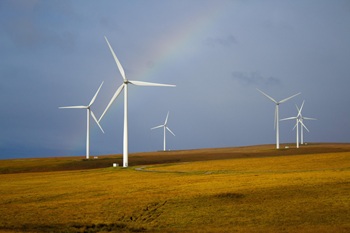
Communities will be able to build their own clean energy.
Why diversity and inclusion matters for SMEs

CIOB’s D&I Charter shows how practical changes can support long-term growth.
Cut electricity bills to power growth

Coalition sends joint letter to the Chancellor.

Gasholders: a history in pictures. Book review.
Recognition, influence and growth
SocEnv identifies three strategic pillars in new strategy to 2045.
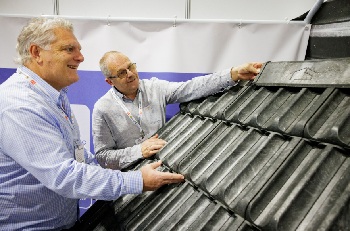
Discover the future of roofing, cladding and insulation.
Comments
[edit] To make a comment about this article, click 'Add a comment' above. Separate your comments from any existing comments by inserting a horizontal line.