





Double glazing v triple glazing
The term 'glazing' refers to the glass component of a building's façade or internal surfaces. Historically, the installation of glazing was generally undertaken by a specialist glazier, but today it is possible to purchase an entire window which can be fitted by a general contractor.
Whereas in the past windows were generally single glazed, consisting of just a single layer of glass, today there are many different options for glazing. A substantial amount of heat is lost through the window, and so double and triple glazed units have been developed to provide more insulation, improving the energy efficiency of a building.
The building regulations in England and Wales require that new and replacement window units must meet certain energy efficiency requirements. Approved Document L of the building regulations classifies an external window as a 'controlled fitting', which refers to the whole unit including the frame. New and replacement windows in existing homes in England, Wales and Scotland must have a Window Energy Rating (WER) of at least band C or have a U-value of no more than 1.6 W/m²K. This is intended to reduce heat loss, and so the requirement for heating, resulting in lower energy consumption and lower carbon emissions.
Typically, single glazing can achieve a U-value of around 4.5 W/m²K, whilst good double glazing can achieve a U-value of around 1.2 W/m²K.
Double glazing comprises two layers of glass separated by a spacer bar and a continuous hollow frame typically made of aluminium or a low heat-conductive material. The spacer bar is bonded to the panes using a primary and secondary seal which creates an airtight cavity, typically with 6-20 mm between the two layers of glass. This space is filled with air or with a gas such as argon, which improves the thermal properties of the window. Larger cavities may be provided to achieve greater sound reduction.
For more information see: Double glazing.
Triple glazing comprises three panes of glass separated by spacer bars, and two resulting cavities filled with an inert gas, such as argon.
Triple glazed windows can achieve a U-value of between 0.8 W/m²K and 0.5 W/m²K.
However triple glazing is likely to cost around 20% more than double glazing. In addition, it uses more materials to manufacture (and so has a higher embodied energy) and it is heavier, which may require a more substantial supporting structure and increases the complexity of installation. It also requires great care in manufacture and installation to ensure that designed levels of energy performance are actually achieved, and it reduces solar gain in the winter which can increase the amount of heating required.
On the plus side, triple glazing may provide other benefits, such as improved thermal comfort and better acoustic performance and increased security as well reduced solar gain in the summer and a reduction in the occurrence of condensation.
Whether these benefits are worthwhile or not is a matter of some debate, and to a certain extent it depends on the nature of the installation itself. Whilst the reduction in U-value from 1.2 to 0.8 is not dramatic, the decision whether to instal double or triple glazing may be affected by other considerations such as; the extent of glazing in the building, the local climate and degree of exposure of the building, the performance of any existing glazing (for existing buildings) and the opportunity cost compared to other potential energy-saving features such as the installation of a heat pump, super insulation of the walls and roof, the degree of airtightness in the building and so on.
In some colder parts of northern Europe, triple glazing is the normal choice, and the Passivhaus standard requires triple glazing with a U-value of no more than 0.8.
NB the performance of glazing can also be improved by; wider cavities between the panes of glass, low-e coatings, careful design to avoid cold bridges, the addition of secondary glazing and by careful manufacture and installation.
[edit] Related articles on Designing Buildings Wiki
- Air tightness in buildings.
- BFRC window rating scheme.
- Choosing the correct glazed facade heating system.
- Conservation rooflights.
- Domestic windows.
- Double glazing.
- Glass.
- Glazier.
- Glazing.
- Low-E glass.
- Secondary glazing.
- Thermal conduction in buildings.
- Triple glazing.
- Types of window.
- U-values.
- Window.
Featured articles and news
Edmundson Apprentice of the Year award 2026

Entries now open for this Electrical Contractors' Association award.

Traditional blue-grey slate from one of the oldest and largest UK slate quarries down in Cornwall.
There are plenty of sources with the potential to be redeveloped.
Change of use legislation breaths new life into buildings

A run down on Class MA of the General Permitted Development Order.
Solar generation in the historic environment
Success requires understanding each site in detail.
Level 6 Design, Construction and Management BSc

CIOB launches first-ever degree programme to develop the next generation of construction leaders.

Open for business as of April, with its 2026 prospectus and new pipeline of housing schemes.
The operational value of workforce health

Keeping projects moving. Incorporating unplanned absence and the importance of health, in operations.
A carbon case for indigenous slate
UK slate can offer clear embodied carbon advantages.
Costs and insolvencies mount for SMEs, despite growth
Construction sector under insolvency and wage bill pressure in part linked to National Insurance, says report.
The place for vitrified clay pipes in modern infrastructure
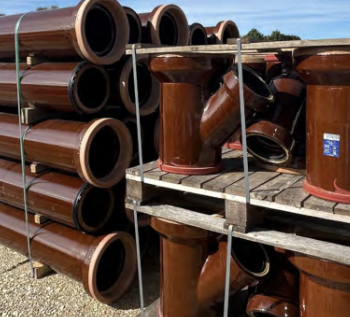
Why vitrified clay pipes are reclaiming their role in built projects.

Research by construction PR consultancy LMC published.
Roles and responsibilities of domestic clients

ACA Safety in Construction guide for domestic clients.
Fire door compliance in UK commercial buildings

Architect and manufacturer gives their low down.