





Chair

Contents |
[edit] Introduction
In the most general sense, a chair is a piece of furniture designed for the purpose of allowing a single person to sit or recline. An item of furniture that provides seating for more than one person may be referred to as a sofa, settee, chaise longue, bench and so on.
A chair may also refer to an official person who is in charge of an organisation or who facilitates a meeting or conference.
[edit] History
There is evidence that chairs have existed since ancient Egyptian times. Primarily reserved for people of elevated status or wealth, these chairs often represented the importance of their owners. This social standing was reflected in the chair's height, the richness of its ornamentation and the materials that went into its production.
|
This example of an ancient Egyptian chair dates from approximately 1492 BCE to 1473 BCE. It was discovered in the tomb of Hatnefer and Ramose and was made from boxwood, cypress, ebony and linen cord. |

The most elegant chairs were made from materials such as animal hide, carved or gilded wood, ivory and so on. These sometimes served as thrones for pharaohs and have been found in tombs dating to nearly 3000 BCE.
Chairs were subsequently used by the Greek, Roman, Chinese and Aztec civilisations, but again, they were primarily reserved for wealthy or important people. Evidence of these items has been depicted in artwork such as paintings, pottery, drawings, carvings, sculptures and even written descriptions. However, very few of examples of early chairs have survived.
During the early Christian period, chairs began to appear in European churches and cathedrals. During the Middle Ages, they were sometimes incorporated into the interior ornamentation of the church and may have been richly carved and adorned with religious symbols and figures.
It was not until the Renaissance that chairs became affordable enough to come into common use. A standard Renaissance chair was called a scissor chair. Its support structure was shaped in the form of an X which was topped by a seat.
|
This Renaissance scissor chair from the second half of 16th century was made from leather, brass and metal thread on walnut wood. |

[edit] The evolution of chair design
Over time, the design of chairs evolved to incorporate additional characteristics. These changes often reflected improvements in comfort and innovations in woodworking techniques. There were also numerous stylistic distinctions associated with factors such as historic period, design and fashion.
Chairs were sometimes produced by famous designers, architects and other masters of their trades. This tradition has continued into the modern period, with certain chairs being treated as status symbols based on the reputation of the designer or designers.
|
The Eames Lounge Chair was designed in 1956 by Charles and Ray Eames. Referred to as “a cross between a Mercedes-Benz and a Barcalounger” in a New York Times review of an exhibition at the Museum of Arts and Design, the chair is still manufactured by Herman Miller and continues to be treated as an iconic status symbol. |

[edit] Types of chairs
Chairs generally comprise a horizontal seat (or seat pan), an upright back support and legs or some other support device (such as a pedestal, stem or tubing configured to create a base) attached to the underside of the seat. Chairs are typically used to provide support for the seated person’s body and arms, although some chairs are designed for 'perching' rather than sitting.
There are also armless chairs - with or without a back - that may be referred to as stools. Some stools are referred to as backless chairs.
Modern chairs can be fabricated from materials including wood, metal, plastic and other synthetic materials. They can also be padded or upholstered.
Common types of chair, based primarily on their usage, include:
- Office chairs (also known as a task chairs, operator chairs, work chairs or ergonomic chairs).
- Non-task chairs (including stackable chairs, dining room/kitchen chairs, meeting or conference room chairs, guest chairs).
- Lounge chairs (including arm chairs, bean bag chairs, suspended chairs, reclining chairs or recliners, occasional chairs, accent chairs, and sliding chairs).
- Convertible chairs (including futons, sleeper chairs or chair beds).
- Rocking chairs.
- Classroom chairs with an attached - and sometimes movable - desktop.
- Folding chairs (including director’s chairs and deck chairs).
- Kneeling chairs.
- Special purpose chairs (such as medical, dental, salon, nursing/maternity and so on).
There are also chairs designed to offer mobility, including:
- Sedan chairs (rickshaws).
- Wheelchairs.
- Evacuation chairs.
[edit] Ergonomic chairs
While many chairs are not designed for adjustability, task chairs used for extended periods of sitting may include mechanisms to control comfort and flexibility. These features can include:
- Rollers or casters for movability.
- Lumbar cushioning for additional back support.
- Height and seat pan adjustments to accommodate different sitting positions.
- Adjustable armrests.
In the 1990s, the introduction of standardised human-centric concepts formed the basis of ISO 9241, which was originally titled Ergonomic requirements for office work with visual display terminals (VDTs). By setting the standard for the ergonomics of human and computer interaction, ISO 9241-500:2018 Part 500 provided a standard for office chair design principles.
[edit] Related articles on Designing Buildings
- Bench.
- Designing for employee wellbeing.
- Evacuation chair.
- Exedra.
- Furniture
- Human centric.
- Pew.
- Seating.
- Selecting bar stools.
- Stool.
- Table.
[edit] External references
Featured articles
Check out some of the best features and news from Designing Buildings as well as key stories from around the web.
Undervaluing our industrial past

Heritage value changes as taste for building styles changes.
Changing expectations around competence and compliance

New information sheet from CIAT.
Grenfell investigation files passed to CPS

Angela Rayner apologises on behalf of the British state.

Electrical contractors need to understand the practical implications.

The real barrier to getting more value from digital technology.

Your guide to The Construction Reset at UKCW Birmingham.

Accommodating the Victorian and Edwardian working woman. Book review.
Rethinking passive fire protection in design

PFP demands the same level of design rigour as structure or services.

38% of Gen Zs feel safe when a fire door is wedged open.
Stunning images from around the world
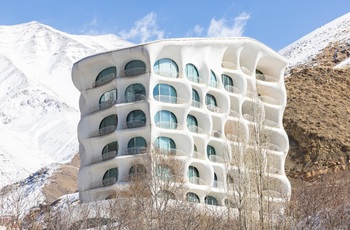
Shortlist for CIOB’s Art of Building photography competition.
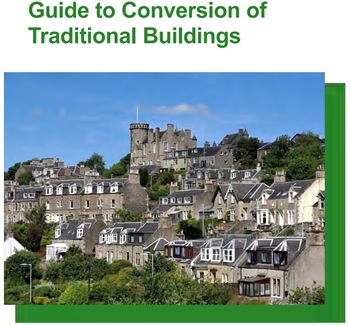
Guidance for conversion of traditional pre-1919 stone buildings.
Industrial heritage in the Ruhr
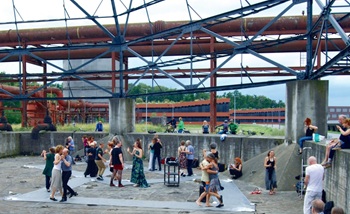
A marked difference to the fate of industrial landscapes in the UK.
Comments
[edit] To make a comment about this article, or to suggest changes, click 'Add a comment' above. Separate your comments from any existing comments by inserting a horizontal line.