





Site preparation
Before building work can commence on a site, certain activities must be taken to ensure maximum health and safety is achieved and that construction operations will not be hindered.
The requirements of the Building Regulations are set out in Part C. Approved Document C (AD C) of the Building Regulations 'Site preparation and resistance to contaminants and moisture' provides guidance for more common building applications.
The requirements of Approved Document C are as follows:
The ground to be covered by the building shall be reasonably free from any material that could damage the building or affect its stability. This requires the clearing of vegetation, topsoil and any pre-existing foundations. This can include turf and roots, especially if they are close to the proposed building and also to below-ground drainage.
Precautions should be taken to avoid danger to health and safety from contaminants in the ground and any other land associated with the building;
Installation of adequate sub-soil drainage, if it is needed, can help avoid:
- Ingress of ground moisture into the building interior;
- Damage to the building, especially from water-borne contaminants attacking the foundations.
Contaminants are defined as those substances which may be harmful to people or buildings, including corrosive, explosive, flammable, radioactive or toxic substances.
Some contaminants such as radon, landfill gases and those from organic solvents and fuel can penetrate the building by a variety of means. In most cases the rate of penetration can be reduced by sumps and sub-floor ventilation, as well as other ventilation strategies.
The regulations also apply where there is a material change of use, as opposed to the construction of a new building.
Sites that previously had buildings on them should be checked for the presence of old foundations, services, buried tanks and other infrastructure that could pose a danger to persons using the building and the immediate area.
Numerous solid, liquid and gaseous contaminants can arise on sites, especially those with an industrial heritage. Even agricultural sites may have pesticide, fertiliser, fuel and oil contamination that could be injurious to health. Some sites are more likely to be affected than others. The AD C (Table 2) lists examples of such sites eg gas works, landfill sites, paper and printing works etc.
Ensuring the safe development of land with potential solid and liquid contaminants will require undertaking risk assessments, of which the general concepts and recommended stages are included in AD C. Where unacceptable risks are detected, they must be managed through the appropriate remedial measures that cover treatment, containment and removal.
Methane and other gaseous contaminants are deemed hazardous and are generated either naturally or by landfill waste. These too must follow the stated risk assessment procedures.
A building’s floors, walls and roof should adequately protect the building and its users from harmful effects that may arise from:
- Ground moisture;
- Precipitation, including wind-driven spray;
- Interstitial and surface condensation, and
- Water spillage from sanitary fittings, fixed appliances and associated fittings.
The above is a selective summary of the site preparation required under the Approved Document C. Readers are advised to consult the document for more information. It is available online.
[edit] Related articles on Designing Buildings Wiki
- Access to construction sites.
- CDM.
- Ground conditions.
- Hoardings.
- Injuries on construction sites.
- Lighting of construction sites.
- Mobilisation.
- Notifiable project F10 form.
- Site appraisals.
- Site area.
- Site facilities.
- Site induction.
- Site layout plan.
- Site safety.
- Site storage.
- Site survey.
- Temporary site services.
[edit] External references
Featured articles
Check out some of the best features and news from Designing Buildings as well as key stories from around the web.

Your views needed - a strategy for the professions, trades and occupations.

Confronting competency, codes, capacity and costs.

The hidden risk in modern construction supply chains.
Construction Management, 10 June

24 months to 14: CITB launches accelerated apprenticeships.
Bridging the gap between clients and contractors

Concerns remain around contractor quality, capability, and delivery.
Construction Management, 10 June.

Heat pumps beat boilers in new home tests.
Building Safety Act implementation in Wales
CIAT to host industry panel on 26 June.
New and updated CLC building safety guidance.
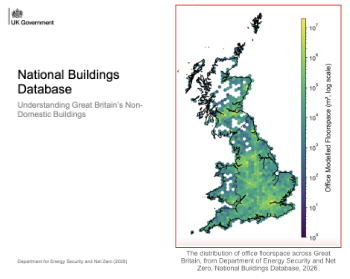
New UK National Buildings Database.
Building Safety Wiki Interviews

Chief executive of the British Woodworking Federation.
Planning condition discharge in England and Wales

A brief explanation from a building compliance expert, with further links.