





Main author
St John AmbulanceRethinking risk – first aid in the modern workplace

Contents |
[edit] The modern workplace
Our modern workplaces no longer fit neatly into four walls. Hybrid schedules, remote setups and co-working spaces are here to stay, and traditional risk management frameworks must catch up.
Mental health risks, like isolation, anxiety and stress, are rising. Physical injuries can go unreported. And often, first aid provision, both mental and physical, is ill-equipped for a workforce that might be everywhere at once.
Added to this, a lack of direct supervision by managers or assessment by health and safety professionals can result in less controlled working environments, less accessible support and slower emergency responses. And when trained first aiders work remotely, the workplace may be left exposed unless regular reviews and detailed planning ensure adequate cover.
In this new reality, workplace safety cannot remain static; it must evolve with the people it aims to protect.
[edit] Evolution of the workplace
The workplace as we knew it has fundamentally changed. Where once fixed locations were the norm, with predictable risks and clear boundaries, today's reality is far more fluid. According to the Office of National Statistics, around 28% of employees now work from home at least some of the time, with 13% fully remote – a dramatic shift from before the pandemic.
This transformation has blurred the lines between work and home, raising complex questions about employer responsibilities and creating a new employee wellbeing dynamic.
For distributed teams, it is often unclear who the first aiders are or who is responsible for leading in a first aid emergency. Transient workspaces mean unfamiliar environments and colleagues who may not be aware of each other's needs or capabilities – or who might have a life-threatening allergy, for example. However, it’s important to realise that organisations maintain the same legal duty of care in these remote and hybrid environments as they do in traditional setups – particularly when it comes to mental wellbeing.
The impact of this workplace evolution is borne out in the data. CIPD research from 2022 found that 44% of HR professionals report increased mental health and stress issues among remote staff. And 2025 figures from St John Ambulance[1] show that anxiety (40%), depression (30%) and burnout (23%) are the top three wellbeing issues affecting the UK workforce. It is also widely believed that while the Health and Safety Executive reports 680,000 non-fatal injuries at work in Great Britain in 2024/25, a large number of work-related accidents among remote workers go unreported.
[edit] Limitations of traditional frameworks
If we continue to try and fit our traditional first aid models to this new working reality, we risk leaving employees vulnerable. It’s much easier to have clear chains of communication and responsibilities laid out when your staff presence and risks are more predictable. First aid kits and equipment are more likely to be easily accessible and locations known by consistent teams working in the same place.
But with a more fluid workforce, shift working and people based across multiple locations, organisations are being caught out. First aiders aren’t always where they’re expected to be; more first aiders might be needed to provide enough cover; and skills risk becoming outdated without keeping on top of refresher training.
Almost a third of employees have experienced times when no one in their workplace was first aid trained, St John Ambulance data shows. And despite 90% of people[2] believing trained mental health first aiders will reduce staff absenteeism and 85% believing they will cut staff turnover, the reality is many workplaces are still failing to give equal priority to mental and physical health.
[edit] Giving people the confidence and skills to act
This shortfall – and the important difference first aiders can make – was thrown into focus recently. When first aider Roy Peach was on his day off, one retail store was left short of trained first aiders.
“I was on a day off but had cause to drop in briefly. I'd been in the shop no more than 10 minutes when a colleague had a seizure,” he recounts.
Roy coordinated a team to help manage the situation and keep the casualty safe, then gave the paramedics a clear handover when they arrived. “I was told by colleagues I had been so calm, and they wondered how. First aid training can’t prepare you for every scenario, but what it can do, though, is place you in a better position of support and ability to think clearer.”
These kinds of scenarios could happen anywhere, and if it were not for Roy’s confident actions, the outcome may have been quite different. “I always update my training. You never know when you can help someone. I'm glad to have refreshed mine a couple of months prior to this incident. I feel it made a huge difference to how I handled it,” he says.

[edit] First aid for today’s workplace
Legacy processes, often static and rooted in traditional work models, no longer suffice.
The future of workplace safety lies in adaptable, trained, confident people, rather than in fixed protocols. Organisations that embrace this shift will build resilience, ensure employee wellbeing and protect staff beyond the office walls.
Make sure your training is fit for purpose. Book your training with St John Ambulance today via https://www.sja.org.uk/the-missing-tl.
By Lisa Sharman, National Head of Education & Commercial Training at St John Ambulance
[edit] Related articles on Designing Buildings
- Accident book.
- Automated external defibrillator AED.
- Building a Safe Workspace: Your Complete Guide to Preparing First Aid in the Workplace.
- Competent person.
- Empowering the Construction Industry to take Action on Mental Health.
- First aid
- First aid kit
- First aid qualifications
- Health and safety.
- Health and safety at work etc act 1974.
- Health and safety consultant.
- Health and Safety Executive.
- Health and safety file.
- Health and safety inspector.
- Health and safety policy.
- Mental health first aid
- Near miss.
- Notification to HSE.
- Personal protective equipment PPE.
- Reporting accidents and injuries on construction sites.
- Site safety.
- St John Ambulance warns employers they are 'risking every second' as gaps in first aid and mental health training leave workplaces dangerously exposed
- Work at height regulations.
- Workplace first aid training.
- Workplace safety supplies.
Featured articles and news
Building Safety recap January, 2026
What we missed at the end of last year, and at the start of this...
National Apprenticeship Week 2026, 9-15 Feb
Shining a light on the positive impacts for businesses, their apprentices and the wider economy alike.
Applications and benefits of acoustic flooring

From commercial to retail.

From solid to sprung and ribbed to raised.
Strengthening industry collaboration in Hong Kong

Hong Kong Institute of Construction and The Chartered Institute of Building sign Memorandum of Understanding.

A detailed description fron the experts at Cornish Lime.
IHBC planning for growth with corporate plan development
Grow with the Institute by volunteering and CP25 consultation.

Connecting ambition and action for designers and specifiers.
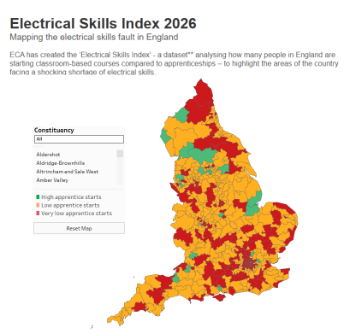
Electrical skills gap deepens as apprenticeship starts fall despite surging demand says ECA.
Built environment bodies deepen joint action on EDI

B.E.Inclusive initiative agree next phase of joint equity, diversity and inclusion (EDI) action plan.
Recognising culture as key to sustainable economic growth
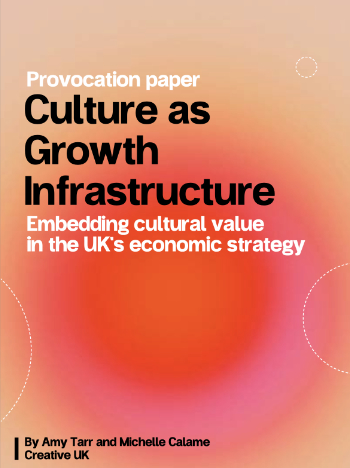
Creative UK Provocation paper: Culture as Growth Infrastructure.
Futurebuild and UK Construction Week London Unite

Creating the UK’s Built Environment Super Event and over 25 other key partnerships.
Welsh and Scottish 2026 elections

Manifestos for the built environment for upcoming same May day elections.
Advancing BIM education with a competency framework
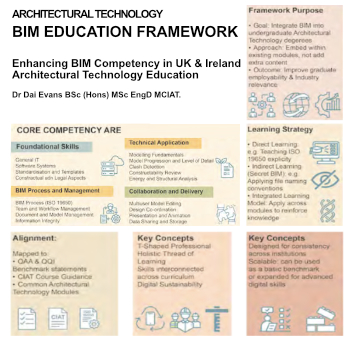
“We don’t need people who can just draw in 3D. We need people who can think in data.”
Guidance notes to prepare for April ERA changes
From the Electrical Contractors' Association Employee Relations team.
Significant changes to be seen from the new ERA in 2026 and 2027, starting on 6 April 2026.
Rethinking risk
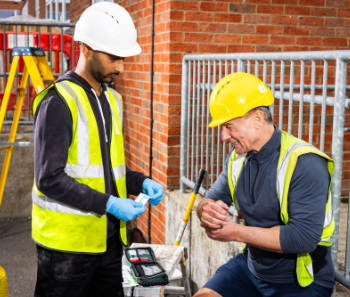
First aid in the modern workplace with St John Ambulance.
Solar panels, pitched roofs and risk of fire spread

60% increase in solar panel fires prompts tests and installation warnings.
Modernising heat networks with Heat interface unit
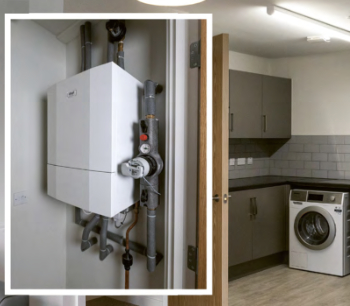
Why HIUs hold the key to efficiency upgrades.