






Northern Ireland closer to creating infrastructure advisory board

Contents |
Introduction
Jenny Green, ICE Director for Northern Ireland, discusses a new report by the Ministerial Advisory Panel on Infrastructure.
Post-pandemic priorities for Northern Ireland
After the recovery phase of the COVID-19 pandemic of 2020, infrastructure will have a key role to play; supporting the vision for our society and economy to emerge from this very difficult period.
The challenges that existed in Northern Ireland pre-pandemic will, no doubt, be impacted by the lockdown period and ongoing restrictions. That’s why the formation of an independent body for infrastructure, such as an Infrastructure Commission, will be even more important. We outlined the benefit of such a body in a paper, and so it is encouraging to see the idea being taken seriously and further investigated by the Ministerial Advisory Panel on Infrastructure.
The long-term planning of infrastructure
When financial resources will be further stretched, we will need to unlock better value and better social and economic outcomes and address shared global challenges in a sustainable way.
I was delighted to recently be asked onto the panel which was tasked with considering how an Infrastructure Commission for Northern Ireland might support the long-term planning and development of infrastructure more effectively.
The panel had its first meeting in late August 2020 and subsequently engaged with over one hundred individuals and organisations across a very wide-range of stakeholder groups via written evidence submissions and virtual engagement sessions.
International co-operation
As a panel, we were able to benefit from the international uptake in online meetings and speak with a number of global infrastructure authorities and experts, including the OECD, the Global Infrastructure Hub and the World Economic Forum. The aim of this engagement was to consider where current long-term NI infrastructure planning and delivery could be improved and to learn from global best practice.
I was particularly pleased to see the willingness of all those parties to engage, share their experiences and offer further support as things progress for NI. It has reinforced my own belief that the global infrastructure community really does want to make things better across the world.
The challenges of delivering infrastructure
Perhaps unsurprisingly, our evidence gathering led to the identification of a number of issues in both planning and delivery. Some of these are particular to NI and others are common across many nations as we face existing and future challenges.
These include population growth and a demographic shift to those aged 65+ increasing to 25% of the NI population by 2041, an urgent need to address climate change and meet 2050 net-zero targets, regional imbalances and an urban-rural infrastructure divide. These factors, combined with the impact of external factors such as COVID-19 and Brexit, are dramatically impacting the economic landscape.
The panel submitted a report in early October 2020 entitled: Turbo-charging Infrastructure to deliver cleaner, greener, sustainable and inclusive growth for all, which has now been published by the Infrastructure Minister, Nichola Mallon MLA.
Recommendations
We made the unequivocal recommendation that an Infrastructure Commission, with a clear remit and the support of the entire Northern Ireland Executive, should be established as soon as practical to help inform decision making in light of these challenges.
In line with ICE’s previous conclusions, the panel recommended that, given the cross-cutting nature of infrastructure over many departments, an Infrastructure Commission should report to the entire NI executive rather than through a single department. It is also recommended that the Commission should set a longer-term vision for 30+ years, with the aim of improving societal wellbeing, environmental performance and economic growth. This should be a key driver in building a better future for everyone in NI.
The panel also recommended that the Commission should be established as a permanent and fully funded body, with the remit to ‘self task’ and recommend infrastructure investment on the basis of its forecast impact on sustainable and inclusive economic growth. It should also advise government on all aspects of NI’s economic infrastructure, incorporating energy, roads, rail and bus, water and wastewater, waste, flood risk management and digital communications. The Commission should also consider the interface opportunities with the wider infrastructure landscape, such as those supporting healthcare, housing and education.
Next steps
The next steps are for the panel, if requested, to work with the Infrastructure Minister to inform the wider NI executive and key stakeholders of our evidence findings. With the range of crises we currently face, there is a clear opportunity to take steps forward through our infrastructure, improving quality of life, protecting and enhancing our environment and resetting the economy.
I believe that a crucial first step in helping to achieve these objectives, by first reforming infrastructure delivery, is the establishment of an independent Infrastructure Commission for Northern Ireland. As ever, ICE members, with their collective expert knowledge and experience, are ready and willing to support the next steps forward on this path.
This article originally appeared under the title, 'A step closer to an Infrastructure Advisory Body for Northern Ireland' on the Infrastructure Blog portion of the ICE website. It was written by Jenny Green, ICE Director for Northern Ireland and published on 27 October 2020.
--Institution of Civil Engineers
Related articles on Designing Buildings Wiki
- Brexit - The case for infrastructure.
- Building control Northern Ireland.
- ICE articles on Designing Buildings Wiki.
- Infrastructure.
- Is a bridge needed between Scotland and Northern Ireland?
- Northern Ireland.
- Northern Ireland planning policy.
External resources
Featured articles and news
Costs and insolvencies mount for SMEs, despite growth

Construction sector under insolvency and wage bill pressure in part linked to National Insurance, says report.
The place for vitrified clay pipes in modern infrastructure
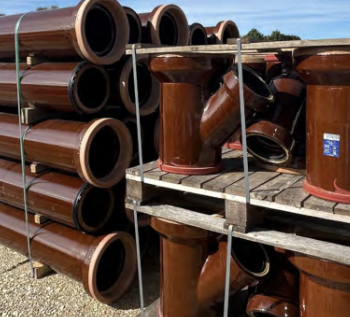
Why vitrified clay pipes are reclaiming their role in built projects.

Research by construction PR consultancy LMC published.
Roles and responsibilities of domestic clients

ACA Safety in Construction guide for domestic clients.
Fire door compliance in UK commercial buildings

Architect and manufacturer gives their low down.
Plumbing and heating for sustainability in new properties
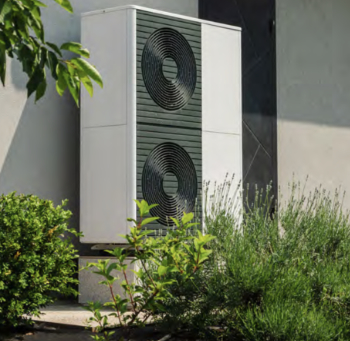
Technical Engineer runs through changes in regulations, innovations in materials, and product systems.
Awareness of the Carbon Border Adjustment Mechanism
What CBAM is and what to do about it.
The new towns and strategic environmental assessments
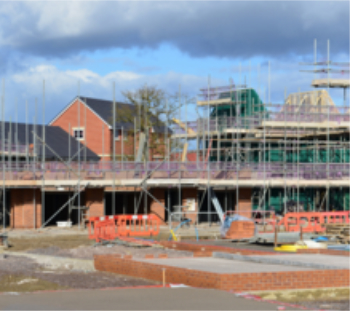
12 locations of the New Towns Taskforce reduced to 7 within the new towns draft programme and open consultation.
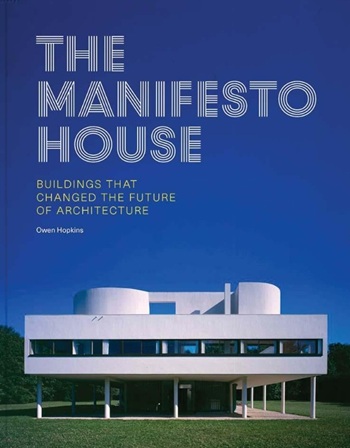
Buildings that changed the future of architecture. Book review.
The Sustainability Pathfinder© Handbook
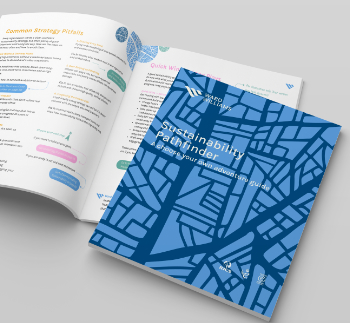
Built environment agency launches free Pathfinder© tool to help businesses progress sustainability strategies.
Government outcome to the late payment consultation, ECA reacts.
IHBC 2025 Gus Astley Student Award winners

Work on the role of hewing in UK historic conservation a win for Jack Parker of Oxford Brookes University.
Future Homes Building Standards and plug-in solar
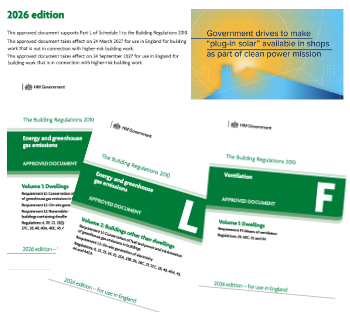
Parts F and L amendments, the availability of solar panels and industry responses.
How later living housing can help solve the housing crisis
Unlocking homes, unlocking lives.
Preparing safety case reports for HRBs under the BSA

A new practical guide to preparing structural inputs for safety cases and safety case reports published by IStructE.
Male construction workers and prostate cancer

CIOB and Prostate Cancer UK encourage awareness of prostate cancer risks, and what to do about it.