






Improving the energy efficiency of buildings
John Kaiser, Calautit, editor of a new themed issue of the ICE Engineering Sustainability journal, explains how research into big data, GIS methods, performance gaps and super-insulation is helping to make buildings more energy efficient.

[Image: Computer-generated model of global solar radiation around urban buildings.]
Contents |
[edit] Introduction
The seventh International Conference on Sustainability and Energy in Buildings (SEB) in Lisbon, Portugal brought together researchers and government and industry professionals to discuss the future of energy in buildings, neighbourhoods and cities from a theoretical, practical, implementation and simulation perspective.
Papers presented at the conference covered emerging research topics in the areas of energy and buildings including big data, renewable energy integration, energy performance gap, advanced materials and technologies in building construction, hybrid energy systems and smart cities.
Extended and revised versions of the top eight conference papers, as selected by the SEB scientific committee and ICE's Engineering Sustainability editorial panel, are being published in two themed issues of Engineering Sustainability in 2017 to ensure wider dissemination of this critically important work to civil engineers.
[edit] Big data
Recently, the big data concept has been gaining considerable attention for tackling complex and challenging engineering problems in particular, it is notably impacting the civil engineering sector.
Big data analytics is transforming the way civil infrastructure systems are constructed, operated and maintained. It provides valuable insights from a large amount of data collected through various sources to optimise decision-making, save energy, improve safety and reduce cost.
Some of its applications in the civil engineering sector include structural health and environmental monitoring (Yeum et al., 2016), waste and water management, urban planning and operation (Tkachenko et al., 2015), smart buildings (Gruber et al., 2016) and mobility (Valdez et al., 2015).
The first SEB15 paper (Capozzoli et al., 2017) presents a data mining-based methodology for setting decision-making rules to identify the energy consumption patterns of a large data set of flats and investigate different energy retrofit actions.
The influence of four attributes on the normalised primary energy demand of 92,906 flats in northern Italy are analysed. The paper covers crucial aspects of practical relevance for authority planners and building energy experts and designers.
[edit] GIS methods
Similar to the work of Capozzoli et al. (2017), the method proposed by Gagliano et al. (2017) in the second paper aims to support decision makers to estimate the energy consumption of residential, commercial and industrial buildings and evaluate the possible effects of different energy strategies.
The complexity of urban energy supply and demand is increasing rapidly with the diversity of energy technologies that participate in the energy system, such as integration of renewables, electric vehicles, storage and combined heat and power. Therefore, the development of urban energy analysis tools has become indispensable.
One of the biggest issues for the energy analysis of large urban areas is the scarcity of energy consumption measurements. Gagliano et al. (2017) propose the application of a geographical information system (GIS)-based method to support the development and management of a sustainable energy action plan at the urban level.
The GIS provides a geo-referenced representation of the municipality that can be enhanced with data on the actual energy requirements of the municipality and the local production of energy.
[edit] Performance gaps
One of the most critical challenges faced by the built environment sector today is the 'energy performance gap', which is the difference in energy use and emissions of buildings, from predicted performance at the design stage to performance in use (Johnston et al., 2015; Robinson et al., 2016).
Under-estimating the likely energy consumption of buildings creates a number of potential risks including impacting on carbon dioxide reduction targets, higher than expected energy bills and undermining buyer confidence in new low-carbon-dioxide buildings (Zero Carbon Hub, 2013). Findings from the studies of the Carbon Trust (2011) demonstrated that the measured energy use can be as much as five times higher than predicted energy use.
In the third paper, Baborska-Narozny and Stevenson (2017) discuss the underlying factors that contribute to the performance gap between design intentions and actual in-use performance in relation to the operation of continuous mechanical ventilation systems installed in two case study housing developments.
Informed by the results of a one-year-long in-depth building performance evaluation, the study develops a process diagram which identifies and situates the interdependencies between occupant and the dwelling environments in terms of ventilation practices.
[edit] Super-insulation
The fourth (Isaia et al., 2017) evaluates the thermal performance of a vacuum insulation panel, a promising technology that can potentially contribute to energy demand reduction in the building sector. The thermal properties of this super-insulation material make it possible to obtain highly insulated building envelopes with low thickness, offering exciting opportunities for both new and retrofitted buildings.
However despite its great potential, the technology is still poorly adopted due to high cost and difficulties in assessing its thermal performance in real applications, particularly relating to thermal bridging effects.
To address the second issue, the authors developed a numerical model for the evaluation of the thermal bridging effect that occurs when vacuum insulation panels are coupled with joints at the building scale.
This article was originally published here by ICE on 31 Jan 2017. It was written by John Kaiser, Calautit.
--The Institution of Civil Engineers
[edit] Related articles on Designing Buildings Wiki
Featured articles and news
Costs and insolvencies mount for SMEs, despite growth

Construction sector under insolvency and wage bill pressure in part linked to National Insurance, says report.
The place for vitrified clay pipes in modern infrastructure

Why vitrified clay pipes are reclaiming their role in built projects.

Research by construction PR consultancy LMC published.
Roles and responsibilities of domestic clients

ACA Safety in Construction guide for domestic clients.
Fire door compliance in UK commercial buildings

Architect and manufacturer gives their low down.
Plumbing and heating for sustainability in new properties

Technical Engineer runs through changes in regulations, innovations in materials, and product systems.
Awareness of the Carbon Border Adjustment Mechanism
What CBAM is and what to do about it.
The new towns and strategic environmental assessments
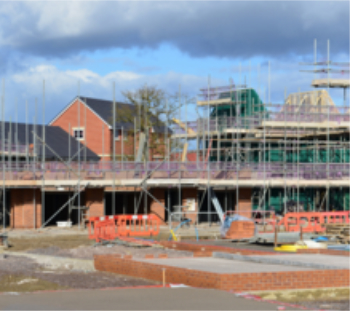
12 locations of the New Towns Taskforce reduced to 7 within the new towns draft programme and open consultation.
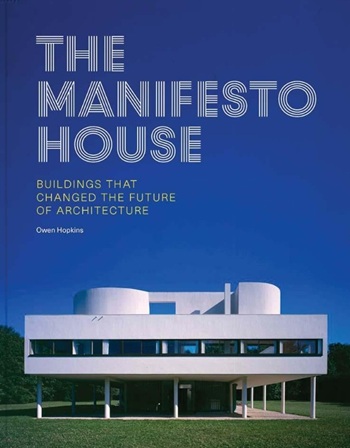
Buildings that changed the future of architecture. Book review.
The Sustainability Pathfinder© Handbook
Built environment agency launches free Pathfinder© tool to help businesses progress sustainability strategies.
Government outcome to the late payment consultation, ECA reacts.
IHBC 2025 Gus Astley Student Award winners

Work on the role of hewing in UK historic conservation a win for Jack Parker of Oxford Brookes University.
Future Homes Building Standards and plug-in solar
Parts F and L amendments, the availability of solar panels and industry responses.
How later living housing can help solve the housing crisis

Unlocking homes, unlocking lives.
Preparing safety case reports for HRBs under the BSA

A new practical guide to preparing structural inputs for safety cases and safety case reports published by IStructE.
Male construction workers and prostate cancer

CIOB and Prostate Cancer UK encourage awareness of prostate cancer risks, and what to do about it.