






High quality high density homes
In the Autumn 2017 budget, the Chancellor continued the government's drive for greater density of housing because people want to live in urban areas and close to work. With the London Plan (currently under consultation), the Mayor also wants to encourage greater density.
There are benefits of high density housing - it is easier to connect to infrastructure, particularly rail, shops and community facilities, meaning people who live there are potentially less reliant upon personal cars. It usually means that the amount of land used per home is less which, as the Chancellor pointed out, helps to protect the Green Belt.
However, there are environmental, technical, health and wellbeing challenges associated with building higher density homes. In order for them to be high quality, the standards need to be set higher. Building a self-contained home with its own four walls and a roof, set on its own patch of land, while not simple, has fewer considerations than homes that are close to each other.
If high density homes are also marketed/promised (by government) to be high quality homes, this is likely to raise the expectations of those who live in them. Therefore, shiny bathrooms and slick kitchens may not be enough if you can constantly hear the music from the 24-hour gym downstairs or you can’t cook in the summer because it makes the flat unbearably hot.
There is a greater consideration to be made to a number of technical areas that impact the occupant’s health and wellbeing and their surrounding environment.
Space is the first consideration when it comes to high density housing. Numerous studies have shown that humans do need a certain amount of space to be active, healthy and store their belongings. Children, in particular, shouldn’t have to grow up in a small flat, but young professionals may decide they want to trade space inside a flat for a good location.
Space needs to be a balance, and it needs to be communicated to those that live in the property. In the Home Quality Mark, we plan, as set out in the consultation, that in order to receive three or above in the health and wellbeing indicator, both internal and recreational space must be addressed.
Simply being closer, or having buildings connected to infrastructure (i.e. railway stations), entertainment and more, means the risk of health implications of not being able to rest properly is increased. Understanding then isolating the home from these external risks is key for a good night’s sleep. Isolating homes from external sounds also allows existing sites of importance to carry on as they were. The music industry has warned of venues closing down if new homes located close by are not isolated from the sound properly. High density shouldn’t lead to a cultural vacuum (in fact, the opposite should be true).
Equally, people don’t want noisy ventilation fans that are either inaccurately designed (too small fans, or small ducting that doesn’t allow enough air to pass through it). Indoor air quality and comfort is also more difficult in high density developments. People may not be able to leave their windows open (due to height, external noise, security, etc.), which may mean the need for other systems to ensure adequate ventilation.
As well as ensuring this ventilation is designed correctly early on (we have seen some instances where it has impacted planning due to the need to increase the size ducting or grills), it needs to be a system that can be maintained (filters changed, etc.) over its lifetime. As there is often more building to space ratio in high density dwelling, developers also need to choose their building products carefully so there is limited impact on indoor air quality. These are all key issues that are taken into consideration in the Ventilation and Indoor Air Quality issue of Home Quality Mark.
In the summer, high density homes are more likely to be too warm for occupants. With greater levels of hard building materials around it is more difficult for the heat to reduce at night, meaning over prolonged periods of hot weather homes get hotter and hotter. People may also not be able to leave windows open due to noise, security or air pollution. Careful consideration of shading, ventilation, and inclusion of green/natural areas can help keep the temperatures acceptable. Going forward, with a changing climate we should expect more hotter days, which means making buildings more resilient more important.
Building to higher density can have impacts upon ecology, while not impossible, it certainly takes more thought to include green space and areas for flora and fauna to thrive. These then have to be maintained. Good ecology is important, not only for our natural environment but also for our own health and wellbeing. It can also help with technical issues, such as temperature control of the building and reducing the amount of water runoff from the site.
Often all these challenges may mean that a different way of construction may need to be used, perhaps more of the building constructed in a factory or other modern methods.
There are now a number of helpful guides that help with the planning aspects of developments to ensure that they are healthy for many generations of occupants to come. UKGBC’s Health Homes report and more recently TCPA’s Practical Guide on Health in Garden Cities.
High density homes can be good quality homes, but more thought has to be put into them, it is also difficult to achieve all the different aspects on all the units within a block/development. Different units will be better at different things. This is why standards such as the Home Quality Mark which takes into account technical and environmental issues should be considered when planning and delivering high density developments. It also rates the individual unit so future householders can clearly understand the benefits of their home.
This article was originally published here by BRE Buzz on 15 Jan 2018. It was written by Gwyn Roberts.
--BRE Buzz
[edit] Find out more
[edit] Related articles on Designing Buildings Wiki
- BRE Buzz articles on Designing Buildings Wiki.
- Compact living.
- Could microhousing tackle London's housing crisis?
- Densification.
- Floor area ratio.
- Guiding light: Unlocking London's residential density.
- Home Quality Mark.
- Practical guide on health in garden cities.
- Redefining density, making the best use of London’s land to build more and better homes.
- The compact sustainable city.
Featured articles and news
Costs and insolvencies mount for SMEs, despite growth
Construction sector under insolvency and wage bill pressure in part linked to National Insurance, says report.
The place for vitrified clay pipes in modern infrastructure
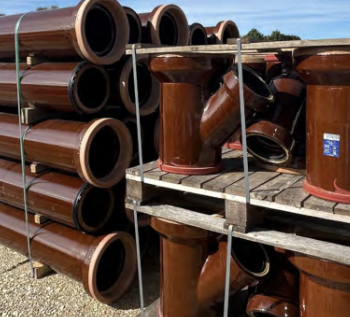
Why vitrified clay pipes are reclaiming their role in built projects.
Research by construction PR consultancy LMC published.
Roles and responsibilities of domestic clients

ACA Safety in Construction guide for domestic clients.
Fire door compliance in UK commercial buildings

Architect and manufacturer gives their low down.
Plumbing and heating for sustainability in new properties
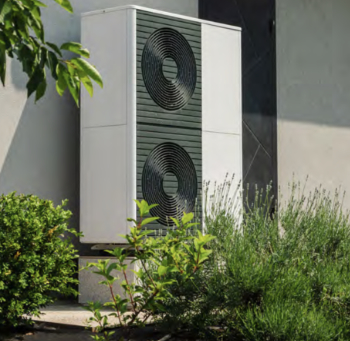
Technical Engineer runs through changes in regulations, innovations in materials, and product systems.
Awareness of the Carbon Border Adjustment Mechanism
What CBAM is and what to do about it.
The new towns and strategic environmental assessments
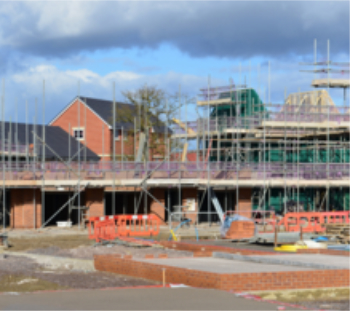
12 locations of the New Towns Taskforce reduced to 7 within the new towns draft programme and open consultation.
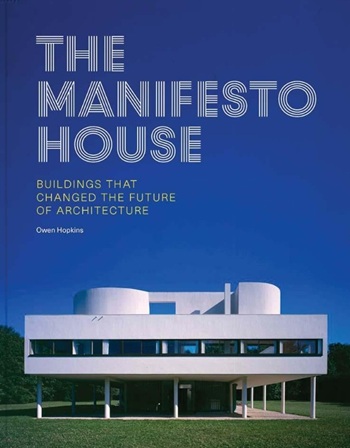
Buildings that changed the future of architecture. Book review.
The Sustainability Pathfinder© Handbook
Built environment agency launches free Pathfinder© tool to help businesses progress sustainability strategies.

Government outcome to the late payment consultation, ECA reacts.
IHBC 2025 Gus Astley Student Award winners

Work on the role of hewing in UK historic conservation a win for Jack Parker of Oxford Brookes University.
Future Homes Building Standards and plug-in solar
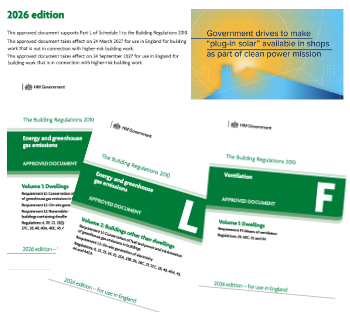
Parts F and L amendments, the availability of solar panels and industry responses.
How later living housing can help solve the housing crisis
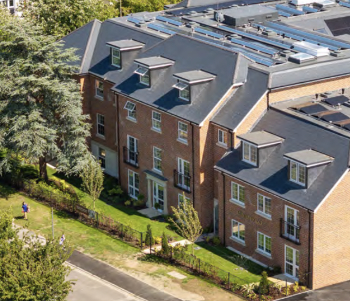
Unlocking homes, unlocking lives.
Preparing safety case reports for HRBs under the BSA
A new practical guide to preparing structural inputs for safety cases and safety case reports published by IStructE.
Male construction workers and prostate cancer

CIOB and Prostate Cancer UK encourage awareness of prostate cancer risks, and what to do about it.