





Factors affecting property insurance premiums
Contents |
[edit] Introduction
Buildings and contents insurance can provide owners with a level of security, and potentially, remuneration following adverse events such as fire, flooding, settlement, structural collapse and public liability.
However, buildings insurance can be costly and a drain on financial resources. It may therefore be in the interests of owners to select and adapt their policies to ensure the best cover at the most affordable cost.
There are several factors that can affect the ‘premium’ – the annual cost of the insurance policy. These include:
[edit] Multi-year cover
This is the insurance equivalent of buying in bulk. At the outset, it may be possible to arrange a longer period of cover, e.g three years as opposed to annual renewal. This could bring a discount in the region of 5-10% off the premium.
[edit] Selecting the perils covered
Adjusting the extent of the perils covered may also reduce premiums. For example, some policies offer cover against vandalism, but a farmhouse on a remote hillside, or a townhouse in a gated development may be at far less risk of vandalism than other properties. It may therefore be possible to exclude vandalism from the policy and thereby reduce the cost of the premium. The same may apply to perils such as riot and malicious damage, impact by aircraft and falling trees.
[edit] Adjusting the extent of cover
If the property contains expensive jewellery, fine furniture or works of art, it may be possible to reduce the premium by moving these to another location e.g a bank vault or storage facility.
[edit] Reducing the excess
Generally, insurance policies have an ‘excess’ to be paid in the event of a claim. The excess is the amount the insured has to cover themselves before the policy pays out. If the policy has an excess of £500, and water leakage causes £1,000 of damage, the insured will only get £500 from the policy as they have to bear the £500 excess. If on the other hand the damage amounts to £400, it would not be worth making a claim (although the insurer should be notified of the event). The higher the excess the insured is willing to bear, the lower the premium will be.
[edit] Group policies
People over the age of 50 may get reduced premiums through organisations such as Saga, a specialist insurer for older people. Other group policies exist, for example, for owners of historic buildings: churches may get lower premiums through the Ecclesiastical Insurance Group.
[edit] Risk management
Insurers like to see owners instigate risk management measures aimed at safeguarding a property. Where these are in place there could be lower premiums. Measures can include:
- Smoke and fire detectors;
- Fire-fighting equipment;
- Smoke venting to minimise smoke damage;
- Burglar alarms;
- Lightening protection and
- Secure approved locks.
[edit] Managed occupation
In the case of a residence, reducing the time it is left empty (e.g vacations) can lead to lower premiums. Some policies require a house or flat to be left empty for no more than 60 days per year.
[edit] Related articles on Designing Buildings
- 3D animation for insurance risk analysis.
- Building Users' Insurance Against Latent Defects.
- Collateral warranties.
- Contractors' all-risk insurance.
- Contract works insurance.
- Decennial liability.
- Design liability.
- Directors and officers insurance.
- Employer's liability insurance.
- Excepted risk.
- Flood insurance.
- Flood Re.
- Future of construction insurance.
- Indemnity to principals.
- Integrated project insurance.
- JCT Clause 6.5.1 Insurance.
- Joint names policy.
- Latent defects insurance.
- Legal indemnities.
- Legal indemnity insurance.
- Non-negligent liability insurance.
- Performance bond.
- Professional Indemnity Insurance.
- Public liability insurance.
- Residual value insurance.
- Reverse premium.
- Specified perils.
- Subcontractor default insurance (SDI).
- Warranty.
Featured articles
Check out some of the best features and news from Designing Buildings as well as key stories from around the web.
Bridging the gap between clients and contractors

Concerns remain around contractor quality, capability, and delivery.
Construction Management, 10 June.
Heat pumps beat boilers in new home tests.
Building Safety Act implementation in Wales

CIAT to host industry panel on 26 June.

New and updated CLC building safety guidance.
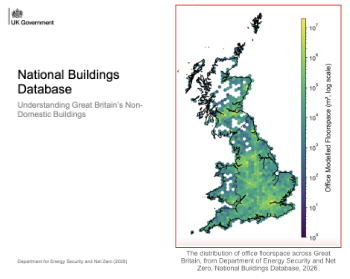
New UK National Buildings Database.
Building Safety Wiki Interviews

Chief executive of the British Woodworking Federation.
Planning condition discharge in England and Wales

A brief explanation from a building compliance expert, with further links.
Overheating guidance and tools for building designers

Guidance for dealing with element of building fabric control that have increasing importance.
Shading for housing, a design guide

From the Good Homes Alliance and British Blind and Shutter Association.
UK Standard Skills Classification (SSC)

A shared framework for describing skills needs.
Social media ban consultation comes to close

CIOB urges UK Government to consider social media’s role in careers guidance in ban debate.