






Eco houses for environment-friendly architecture

|
| Ainsworth Hales house built by Baufritz. |
Sustainability, renewable energies, environmentally-friendly, carbon footprint ... are terms that have become a part of daily life. But, it is not only vocabulary that is changing, people's awareness of, and their attitude towards, climate change is also shifting. This is why more and more people are becoming interested in green and healthy 'eco-houses' - houses that are built from sustainable materials while at the same time successfully combining contemporary architecture and comfort.
Almost half the respondents to a Statista survey said that they could imagine living in an eco house.
The aim of this 'green architecture' is to minimise the resources that go into construction and the subsequent use of the house, while at the same time, reducing the detrimental effects that emissions, pollution and waste can have on the environment.
The materials used in the intelligent construction of eco houses are pollutant-free, have been produced or grown sustainably and often locally, and have a low impact on the environment. In most cases, a high proportion of the materials used to construct eco homes can be returned to the natural cycle without leaving any trace when the house is deconstructed.
Eco houses are also energy efficient, making them a good investment at a time when energy prices are rising. This can be achieved, for example, by utilising solar or other renewable energies to minimise heating and electricity costs. They are also well insulated and many of them have an energy storage facility. This enables them to be partially or completely independent of external energy suppliers.
There are many different types of eco house using a whole range of methods for generating and storing energy. These include:
- Solar house: This is supplied with thermal energy generated using solar power and usually entails solar technology attached to the roof of the house. The solar heat is then stored in a stratified hot water tank. About 2/3 of the demand for hot water and about 5 % of the energy required for heating can be provided with this method.
- Passive house: The walls of a passive house are insulated so well that heating costs are kept to a minimum. Any heat emitted by appliances or which comes from the sun is retained for a long period; this helps reduce the amount of additional heat required. The positive effect is that the eco house is kept warm in winter and pleasantly cool in the summer.
- Plus energy house: This type of eco-house is equipped with photovoltaic systems and solar thermal systems which enable it to generate more energy than is consumed by the occupants. The plus energy house's surplus energy can be fed into the grid, which brings in extra money for the occupants.
- Energy self-sufficient house: This allows residents to be (almost) independent of any external energy suppliers. It can produce and store sufficient energy to enable the residents to become self-sufficient. The electricity that they use is generated on site and stored.
There are a range of other energy-saving concepts which can be adopted - for example, gas condensing technology, in which gas is converted to heat, which together with the use of the condensation heat from the developing gases, leads to a reduction in energy consumption of up to 20%. Another energy concept is geothermal, where geothermal heat from the ground is delivered via a pump into the property and used for heating and hot water.
Eco houses enable their owners to meet their housing needs effectively. They prevent adverse impacts on the environment, and use energy, water and other resources responsibly and efficiently without compromising health or comfort.
[edit] Related articles on Designing Buildings Wiki
- Approved documents.
- Building Regulations.
- BREEAM.
- Consequential improvements.
- Dwelling Emission Rates.
- Earthship.
- Eco town.
- Energy certificates.
- Green deal.
- Home Quality Mark.
- Leadership in Energy and Environmental Design.
- Lifetime homes.
- Lifetime neighbourhoods.
- Nationally described space standard.
- NHBC technical standards.
- Passivhaus.
- Roof insulation.
- Ska rating.
- Sustainability.
- Sustainable Urban Drainage Systems.
- U-values.
- Zero carbon homes.
--BaufritzUK 11:04, 02 Jan 2020 (BST)
Featured articles
Check out some of the best features and news from Designing Buildings as well as key stories from around the web.

38% of Gen Zs feel safe when a fire door is wedged open.
Stunning images from around the world
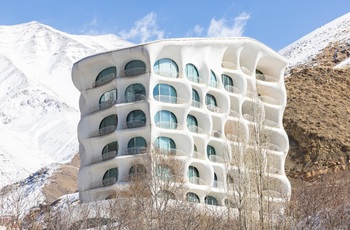
Shortlist for CIOB’s Art of Building photography competition.
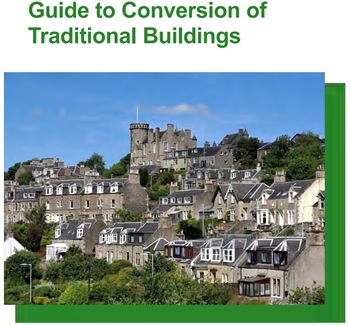
Guidance for conversion of traditional pre-1919 stone buildings.
Industrial heritage in the Ruhr
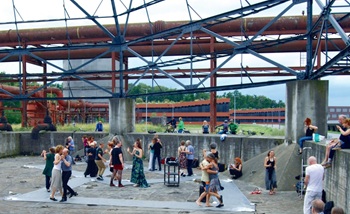
A marked difference to the fate of industrial landscapes in the UK.
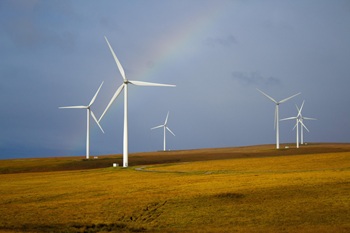
Communities will be able to build their own clean energy.
Why diversity and inclusion matters for SMEs

CIOB’s D&I Charter shows how practical changes can support long-term growth.
Cut electricity bills to power growth

Coalition sends joint letter to the Chancellor.

Gasholders: a history in pictures. Book review.
Recognition, influence and growth
SocEnv identifies three strategic pillars in new strategy to 2045.
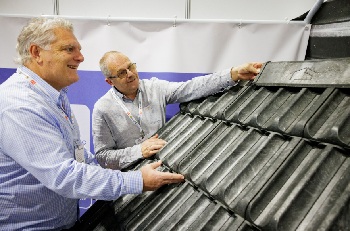
Discover the future of roofing, cladding and insulation.
New guidance for professional practice, cultural change and regulation in social housing.
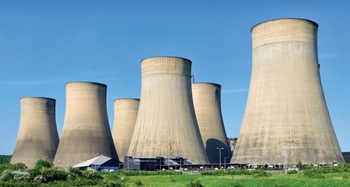
The heritage of nuclear and conventional power stations.