






Coloured steel plates, examples of use
Color steel plate is a kind of building material made of steel plate after special treatment and then combined with a layer of color paint. It has excellent performance and plasticity, so it has been widely used in the field of architecture. Colour steel plate has a wide range of applications, but in different regions, its application scenarios and environments will be different. The following details the applicability and architectural characteristics of colour steel plate in different regions:
1. Applicable to the architecture of the Qinghai-Tibet Plateau.
The Qinghai-Tibet Plateau is high in terrain and has a harsh climate, low temperature and large daily temperature difference, and seasonal gales and rainstorms are common. Therefore, colour steel plate is one of the materials suitable for construction in this area. In such an atmospheric environment, traditional building materials such as wood, brick and tile are easy to be damp, mouldy, and quickly worn and aged by wind and rain. Colour steel plate has the characteristics of high strength, corrosion resistance, weather resistance, easy maintenance, etc., and can keep in good condition, suitable for widely used in construction projects in such environments.
2. Suitable for buildings in waterfront areas.
The comprehensive environmental conditions of coastal areas are relatively complex, which are greatly affected by seawater corrosion and sea wind erosion. Traditional building materials are often vulnerable to severe impacts in this environment. Colour steel plate has very good corrosion resistance, is not easy to rust, can maintain the surface finish of the material for a long time, and can effectively prevent sea breeze erosion, to ensure the safe and reliable use of buildings.
3. Suitable for urban high-rise buildings.
With the process of urbanisation and people's higher and higher requirements for residential quality, high-rise buildings are becoming more and more common. The appearance of these buildings is often simple, modern, and full of technological sense, and high-quality coloured steel plates can effectively meet these design requirements, showing the modern beauty and high-end texture of the material. In addition, the colour steel plate is light in weight and easy to construct, which can speed up the construction speed of high-rise buildings and reduce construction costs.
4. Suitable for buildings in rural areas.
Compared with high-rise buildings in urban areas, the architectural style in rural areas is mainly simple and practical. This is another suitable scenario for colour steel plates. For farmhouses, courtyards and other buildings, the use of colour steel plates can reduce construction costs, but also can easily meet the requirements of wind, rain, heat insulation, and improve living comfort.
In summary, colour steel plate is a multi-functional and widely applicable building material, and its application range is constantly expanding. However, in the process of application, it is also necessary to combine its use characteristics with the characteristics of regional architecture. Only on the basis of effectively solving the various needs of the building, can the colour steel plate better serve people's lives.
[edit] Related articles on Designing Buildings
- Aluminium.
- Architectural styles.
- Careful planning required during cable management materials shortages.
- Cast iron.
- Civil Engineering during the Industrial Revolution in Britain.
- Concrete-steel composite structures.
- Constructing steel buildings.
- Corrosion resistance.
- Eiffel Tower.
- Failure of metals.
- Galvanised steel.
- Major cast metal components.
- Metal fabrication.
- Nineteenth century building types.
- Off-site prefabrication of buildings: A guide to connection choices.
- Plastic-coated steel pipes.
- Rebar.
- Reinforced concrete.
- Rust.
- Shortages of cable management products.
- Stainless steel vs. galvanised steel.
- Stainless steel fabrication in building.
- Steel framed rooflights.
- Structural steelwork.
- Super-strength steel structures.
- Sustainable materials.
- Tension.
- Types of metal.
- Types of steel.
- Weathering steel.
- What is causing the rise in steel prices?
- Wire rope suspension systems.
Featured articles and news
Costs and insolvencies mount for SMEs, despite growth
Construction sector under insolvency and wage bill pressure in part linked to National Insurance, says report.
The place for vitrified clay pipes in modern infrastructure
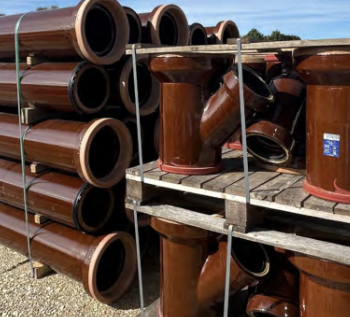
Why vitrified clay pipes are reclaiming their role in built projects.
Research by construction PR consultancy LMC published.
Roles and responsibilities of domestic clients
ACA Safety in Construction guide for domestic clients.
Fire door compliance in UK commercial buildings

Architect and manufacturer gives their low down.
Plumbing and heating for sustainability in new properties
Technical Engineer runs through changes in regulations, innovations in materials, and product systems.
Awareness of the Carbon Border Adjustment Mechanism
What CBAM is and what to do about it.
The new towns and strategic environmental assessments
12 locations of the New Towns Taskforce reduced to 7 within the new towns draft programme and open consultation.
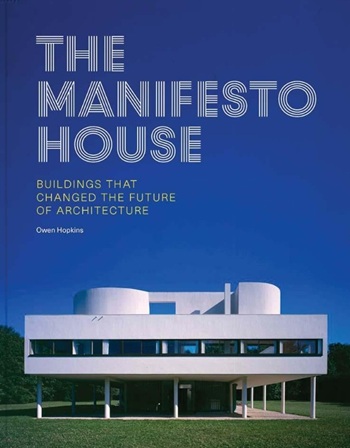
Buildings that changed the future of architecture. Book review.
The Sustainability Pathfinder© Handbook
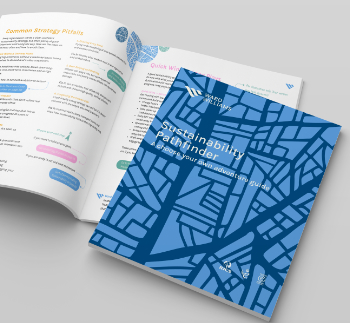
Built environment agency launches free Pathfinder© tool to help businesses progress sustainability strategies.

Government outcome to the late payment consultation, ECA reacts.
IHBC 2025 Gus Astley Student Award winners

Work on the role of hewing in UK historic conservation a win for Jack Parker of Oxford Brookes University.
Future Homes Building Standards and plug-in solar
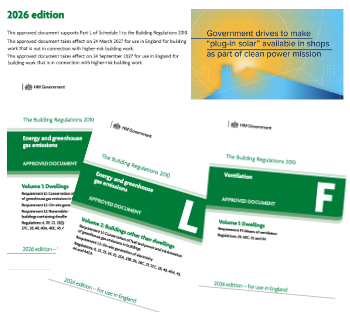
Parts F and L amendments, the availability of solar panels and industry responses.
How later living housing can help solve the housing crisis
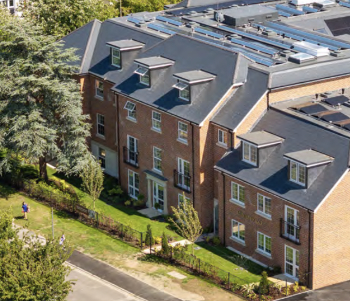
Unlocking homes, unlocking lives.
Preparing safety case reports for HRBs under the BSA
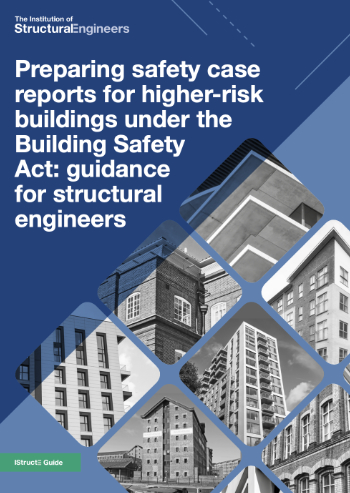
A new practical guide to preparing structural inputs for safety cases and safety case reports published by IStructE.
Male construction workers and prostate cancer

CIOB and Prostate Cancer UK encourage awareness of prostate cancer risks, and what to do about it.