





Robotic lawn mowers
Contents |
[edit] Background
Yard maintenance has long been considered a chore, consuming precious time and energy for homeowners worldwide. However, with the advancement of technology, a revolutionary solution has emerged – robotic lawn mowers. These autonomous machines promise to transform the way we care for our lawns, offering convenience, efficiency, and sustainability. In this article, we delve into the question: Are robotic lawn mowers the future of yard maintenance?
[edit] The evolution of lawn care
Traditional lawn mowing has been synonymous with noisy, gas-guzzling machines that require manual operation. However, technological innovation has paved the way for more efficient alternatives. Robotic lawn mowers have evolved from simple prototypes to sophisticated devices equipped with advanced sensors, GPS navigation, and intelligent algorithms.
[edit] Convenience and efficiency
One of the primary appeals of robotic lawn mowers is their convenience. Unlike traditional mowers that require manual operation, robotic mowers can work autonomously, following predefined paths or navigating the lawn using GPS technology. This hands-free approach saves homeowners valuable time and effort, allowing them to focus on other tasks or leisure activities.
Moreover, robotic lawn mowers excel in efficiency. They operate quietly, emitting minimal noise compared to their gas-powered counterparts. This makes them ideal for use during early mornings, late evenings, or even overnight without disturbing neighbours. Additionally, their electric motors are more energy-efficient, resulting in lower operating costs and reduced environmental impact.
[edit] Precision and customisation
Robotic lawn mowers are equipped with advanced sensors that enable them to navigate obstacles, adjust cutting heights, and detect boundaries with precision. This ensures a uniform and well-maintained lawn with minimal human intervention. Furthermore, many models offer customisation options, allowing users to program mowing schedules, define cutting patterns, and adjust settings according to their preferences.
[edit] Safety and reliability
Concerns about the safety of robotic lawn mowers are often raised, particularly regarding their interaction with children, pets, and obstacles in the yard. However, manufacturers have implemented numerous safety features to mitigate risks. These may include sensors that detect obstacles and automatically stop the mower, as well as features to prevent unauthorised use or tampering.
Additionally, robotic lawn mowers are designed to be weatherproof, capable of operating in various conditions, including rain. This reliability ensures consistent performance and eliminates the need for rescheduling mowing tasks due to inclement weather.
[edit] Environmental sustainability
In an era of increasing environmental awareness, the sustainability of yard maintenance practices is a significant consideration. Robotic lawn mowers offer several environmental benefits compared to traditional gas-powered models. Firstly, they are powered by electricity, reducing reliance on fossil fuels and minimising carbon emissions. Additionally, their electric motors produce less noise pollution, preserving the tranquillity of residential neighbourhoods.
Furthermore, robotic mowers utilise a mulching cutting technique, which chops grass clippings into fine particles that decompose quickly, returning nutrients to the soil. This eliminates the need for collecting and disposing of grass clippings, reducing waste and promoting soil health.
[edit] Challenges and considerations
While the potential benefits of robotic lawn mowers are undeniable, there are still challenges and considerations to address. Initial costs may be higher than traditional mowers, although prices have been declining as technology advances and adoption increases. Additionally, some users may encounter issues related to installation, setup, or maintenance, requiring technical expertise or support from manufacturers.
Moreover, the effectiveness of robotic lawn mowers may vary depending on factors such as lawn size, terrain complexity, and vegetation density. Large or irregularly shaped lawns may pose challenges for navigation, while dense or tall grass may require more frequent mowing or additional passes to achieve desired results.
[edit] Conclusion
Robotic lawn mowers represent a significant advancement in yard maintenance technology, offering convenience, efficiency, and sustainability. While they may not entirely replace traditional mowers in every scenario, their adoption is steadily increasing as homeowners seek innovative solutions to simplify their lives and reduce their environmental footprint. As technology continues to evolve, robotic lawn mowers are poised to play a pivotal role in shaping the future of yard maintenance.
[edit] Related articles on Designing Buildings
- Allotment.
- Garden cities.
- Garden land.
- Gazebo.
- Green roof.
- Growing space.
- Hardy Plants and Plantings for Repton and Late Georgian Gardens (1780-1820).
- Hydroponics.
- Irrigation.
- Landscape architect.
- Landscape design.
- Lawn.
- Low maintenance plants.
- Major Henry De Bude.
- Rainwater harvesting.
- Water engineering.
- Rain garden.
- Rainwater harvesting.
- Seeding and turfing.
- Soft landscape.
- The secret life of the Georgian garden.
- Topiary.
- Types of garden fountain.
- Watermist systems for fire protection in domestic and residential buildings DG 534.
[edit] External links
Featured articles
Check out some of the best features and news from Designing Buildings as well as key stories from around the web.

38% of Gen Zs feel safe when a fire door is wedged open.
Stunning images from around the world

Shortlist for CIOB’s Art of Building photography competition.

Guidance for conversion of traditional pre-1919 stone buildings.
Industrial heritage in the Ruhr

A marked difference to the fate of industrial landscapes in the UK.
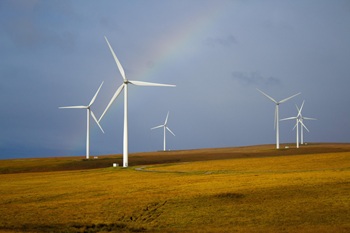
Communities will be able to build their own clean energy.
Why diversity and inclusion matters for SMEs

CIOB’s D&I Charter shows how practical changes can support long-term growth.
Cut electricity bills to power growth

Coalition sends joint letter to the Chancellor.

Gasholders: a history in pictures. Book review.
Recognition, influence and growth

SocEnv identifies three strategic pillars in new strategy to 2045.

Discover the future of roofing, cladding and insulation.

New guidance for professional practice, cultural change and regulation in social housing.
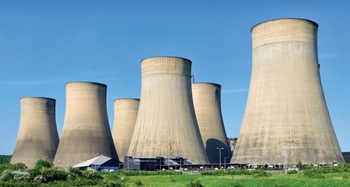
The heritage of nuclear and conventional power stations.