






Five reasons why civil engineering is the best career

|
| Whether you are thinking about going into civil engineering or you are already working in the industry, these are the reasons why civil engineering is, without a doubt, the greatest job in the world...says the Institution of Civil Engineers (ICE). |
[edit] Introduction
One thing that civil engineers seem to have in common is an innate love for their job.
They seem to all have such a high level of job satisfaction from their work, which not only gets them out of bed every morning but motivates them in their day-to-day activities.
The ICE asked some civil engineers what they love about the profession, and why they believe it is the king of careers.
[edit] 1. Civil engineering is so varied
Civil engineering is a term that covers so many job roles, sectors, skills and people.
“There’s more to it than muddy boots and concrete,” says Blessing Danha.
She finds the application of big data and technology on aging infrastructure an interesting area of work.
Every day is different, according to Aaron Matthew. “You get to work with a ton of new people on new tasks every day. I have written legal documents, made announcements on the trains, repaired Santander bikes and explored underground stations,” he says.
Meanwhile, Tara Fraser’s civil engineering career has included abseiling off bridges and mast structures, inspecting Ministry of Defence facilities, and working on airports and laboratories.
“There’s so much variety,” says Fraser. “Where else can you be working inside an office and out on site, all in the same day?”
[edit] 2. Civil engineering is a creative career
If you think that creativity can only be found in an arts career, you would be wrong.
The vast number of different designs for buildings, bridges and other structures shows how civil engineers have to think outside the box to solve a wide range of challenges.
“I had no idea how creative civil engineering was until I got to university and my first project was to build a pasta bridge,” says Cat Salvini.
“It’s creative. Whether it’s bringing a drawing on paper to life, to working out how to thread a tunnel through the congested ground below the feet of Londoners,” adds Sakthy Selvakumaran.
[edit] 3. Civil engineering is a real team effort
Engineers work in teams to solve real-world problems, so if you are a team player, it is the perfect career for you.
“The civil engineering industry is built on team spirit and collaboration,” says Kishore Ramdeen.
“We encourage each other to achieve more and challenge ourselves. And when we work together well, we get things done safer, faster and cheaper.”
Natalie Cheung is one civil engineer who is motivated by working with other people.
“It’s great to come together with people with different expertise to deliver one collaborative design,” she says.
“A civil engineer isn’t just a person who sits behind a PC doing calculations or designing all day, but a person who forges relationships, motivates others and talks openly about worldly issues,” adds Ashkan Amiri.
[edit] 4. Civil engineering takes you around the world
Many people want jobs that involve travel, and if you are a civil engineer, you have hit the jackpot.
“I knew before that you could move to a different country to work,” says Bianca Wheeler. “But never quite understood the large scale of opportunities and project roles that exist in the civil engineering industry.”
And it is not all work and no play.
“You get to work with a diverse range of people from all over the world, and before you know it, you have a contact list of international friends that can offer you technical engineering advice, but also help you plan your next holiday if you plan to visit their home country,” says Ramdeen.
[edit] 5. Civil engineering makes a tangible difference to people’s lives
This has to be the number one reason why civil engineers believe their chosen career is the best. Many of the projects they work on are for the benefit of the general public and local communities.
“You’ll make a huge, positive difference to the world,” says David Waboso.
Major Rob Ridley agrees: “There are as many different types of engineer as you can imagine, but they’re all solving people’s problems. From ensuring the basics, like plenty of clean water in our taps to designing and building the places we live, work and play in, all over the world.”
With sustainability high on everyone’s agenda, Ashkan Amiri points out how civil engineering is the “most active way to help the environment, with a constant push to be more sustainable and to think of solutions to climate issues, to then building those solutions”.
“Most structures today are designed to last more than 100 years,” says Emma Watkins.
“Knowing that I’ve helped build something that my children and grandchildren may use is a real source of pride for me.”
[edit] About this article
This article was written by Anh Nguyen, ICE Digital Content Editor. It was previously published on the website of the Institution of Civil Engineers (ICE) and can be accessed HERE.
More articles by ICE on Designing Buildings Wiki can be found HERE.
[edit] Related articles on Designing Buildings Wiki
- 7 myths about a career in civil engineering.
- Appointing consultants.
- Architect.
- Bridge construction.
- Building design process.
- Building services engineer.
- Capability Brown - proof that engineering for sustainability works.
- Consultant team.
- Designers.
- Engineer.
- Engineering Council.
- Forensic investigations: can we trust them?
- Geotechnical engineering.
- How to become a civil engineer.
- Institution of Civil Engineers.
- Institution of Structural Engineers.
- Lead consultant.
- Lead designer.
- Section engineer.
- Site engineer.
- Structure definition.
- Structural engineer.
- Water engineer.
Featured articles
Check out some of the best features and news from Designing Buildings as well as key stories from around the web.

Dutyholder responsibilities from 1 July 2026.
Where performance meets practice

The Building Envelope Stage at UKCW Birmingham.

CIAT publishes briefing on planning reforms.
Leaders in Learning for Practice Network

Call for conservation leaders in learning to register interest in new network.
The importance of early engagement

Construction lessons from the Trillium HealthWorks Experience Centre.
Mayors are to be given planning call in powers

Mayors across England will be able to make the most important planning decisions.
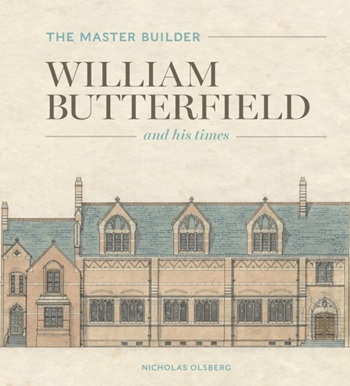
The Master Builder: William Butterfield and his times. Book review.

Why construction can't afford to ignore the skills gap.
Building Safety Regulator, 19 August

Gill Kernick appointed Independent Chair of Residents’ Panel.
Connecting knowledge, technology and conservation
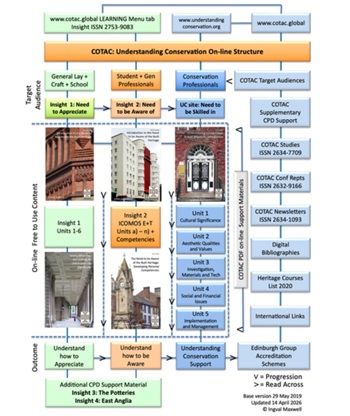
Building competence for the future of built heritage.
Building Regulations and Building Safety Act

CIOB publishes free advice for non-domestic clients.

Building Safety Newsletter from MHCLG.
Comments