





Soffit

In its broadest sense, the term ‘soffit’ can be used to refer to the underside of any construction element, such as an arch, architrave, or projecting cornice. However, most commonly it refers to the underside of the eaves, that is, the underside of the part of the roof that projects beyond the external wall of a building.
Typically soffit boards will be fixed to the underside of projecting rafters to form the soffit, whilst fascia boards are fixed along the vertical faces of the rafters forming a fascia. In combination, these elements help to ‘seal’ the roof at its edges. However, they may include small openings to allow ventilation of the roof void, helping prevent the accumulation of moisture which could result in condensation and cause the roof to decay.
Soffits are traditionally constructed from timber, however, a wide range of other materials may also be used, including metal cladding, UPVC, vinyl and composite materials.

Inside buildings, the term soffit may refer to any portion of a ceiling that is lower than the rest of the ceiling. This can be used as an accent in rooms for decorative reasons, or in rooms with high ceilings to make the room feel smaller. They can also be required to conceal structural beams, plumbing elements, heating/cooling ducts or light fixtures.
In classical architecture, the soffit can be decorated with ‘tooth-like’ blocks used in a close repeating pattern, known as ‘dentils’. In the Doric order, rectangular blocks were commonly hung from the soffit of the cornice over the triglyphs, known as ‘mutules’.
[edit] Related articles on Designing Buildings Wiki
- Arches.
- Architrave.
- Barrel vault.
- Bas-relief.
- Classical orders in architecture.
- Corbel.
- Cornice.
- Cornice coving and architrave definitions.
- Definition of ceiling.
- Elements of classical columns.
- Entablature.
- Fascia.
- Fillet.
- Frieze.
- Integrated service module.
- Moulding.
- Pedestal.
- Pediment.
- Pilaster.
- Types of ceiling.
Featured articles
Check out some of the best features and news from Designing Buildings as well as key stories from around the web.
Why diversity and inclusion matters for SMEs

CIOB’s D&I Charter shows how practical changes can support long-term growth.
Cut electricity bills to power growth

Coalition sends joint letter to the Chancellor.

Gasholders: a history in pictures. Book review.
Recognition, influence and growth

SocEnv identifies three strategic pillars in new strategy to 2045.
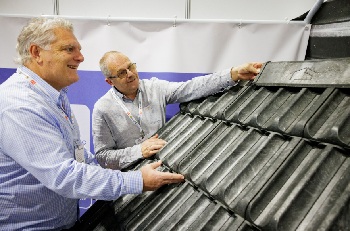
Discover the future of roofing, cladding and insulation.
New guidance for professional practice, cultural change and regulation in social housing.
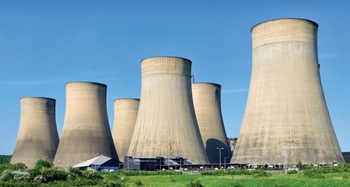
The heritage of nuclear and conventional power stations.
New measures to stop people being ripped off

Government to protect families from cowboy builders and aggressive bailiffs.

New Futurebuild showcase brings an innovation-first approach.
National Planning Policy Framework
Understanding the 2026 changes.
ECA's public affairs priorities

Member consultation opens to shape priorities for 2027 to 2030.

Dutyholder responsibilities from 1 July 2026.