





The Latest Trends in Sanitary Ware Design
[edit] Overview of sanitaryware design
Sanitaryware is an important item building design. It is not only functional but also defines the overall ambience of the space. Good sanitary ware design should give accessibility, convenience and aesthetics. Innovative materials such as porcelain, ceramics and stainless steel have been used to create beautiful designs that provide clear functionality while looking great. Different shapes, styles and colours are also used effectively to make sanitaryware products attractive and user friendly.
[edit] Trends in sanitaryware design
Sanitaryware design has come a long way over time. When discussing modern sanitary ware design, it is important to consider not only the aesthetic quality of each individual unit but also how their design aids in the optimisation of layout plans. Many new techniques used in sanitary ware design facilitate efficient installation while still maintaining a sense of style. For example, 'floating' toilets enable a greater range of creative options in terms of bathroom layout. In addition, advances in materials used for sanitary ware have enabled them to remain sleek yet strong and durable.
One of the latest trends in sanitaryware design is the use of geometric shapes. This includes the use of squares, rectangles, and other clean-lined shapes in both fixtures and fittings. This trend is often combined with the use of clean, simple lines and a minimal colour palette for a modern and sleek look.
Another popular trend in sanitaryware design is the use of matte finishes. This includes both matte-finished fixtures and fittings as well as matte-finished tiles. Matte finishes are popular as they give off a more sophisticated look than glossy finishes and are also easier to keep clean.
Also becoming increasingly popular is the use of natural materials. This includes materials such as wood, stone, and bamboo. The use of natural materials can help to create a more relaxing and spa-like atmosphere in the bathroom.
While neutral colours have been popular in recent years, bolder colours are starting to make a comeback. This includes the use of bright colours such as yellow, orange, and pink as well as statement-making patterns such as floral or geometric prints.
Freestanding tubs are another popular trend. These are not attached to walls and can be placed anywhere in the bathroom. Freestanding tubs can be made from natural materials such as stone or wood and can add a touch of luxury to any bathroom space.
Walk-in showers are becoming increasingly popular in both new construction and remodelling projects. These showers do not have any doors or curtains and allow for ease of access. They are often combined with other features such as rainfall showerheads and built-in seating for a luxurious showering experience.
Heated floors are another luxury feature that is becoming increasingly popular in high-end bathrooms. These floors can be made from a variety of materials including tile, stone, or concrete and use radiant heating to keep the floor warm to the touch. Heated floors are perfect for chilly mornings or after a long day spent outside in the cold weather
Modern sanitaryware can offer greater functionality than older designs. For example, many modern toilets feature dual-flush technology, which allows users to choose between a full flush and a half flush depending on their needs. This can save water and help to reduce environmental impact. Additionally, many modern faucets are equipped with sensors that activate the water flow only when needed, which can help to save water as well.
Modern sanitaryware is also typically more durable than older designs. This is due in part to the fact that it is often made from higher-quality materials, such as porcelain or stainless steel. Additionally, modern fixtures are often designed with durability in mind, with features such as scratch-resistant finishes that help to prolong their lifespan.
Another advantage of modern sanitary ware design is that it can help to improve hygiene in the bathroom. For example, many toilets now feature self-cleaning systems that help to keep them clean with minimal effort on your part. Additionally, many faucets now feature touchless operation, which helps to prevent the spread of bacteria and other contaminants
[edit] Related articles on Designing Buildings
- Sanitaryware.
- Approved Document G.
- Approved Document H.
- Bath.
- Bathroom definition.
- Bidet.
- Comparing porcelain and ceramic tiles.
- Drinking fountain.
- Earth closet.
- ECA Water Scheme.
- Installed level access shower.
- Lavatorium.
- Lavatory.
- Passive water efficiency measures.
- Porcelain.
- Secondary ventilation stacks in tall buildings.
- Septic tank.
- Sanitary accommodation.
- Sanitary pipework.
- Shower.
- Sink.
- Splashback.
- Solid surface wash troughs.
- Tiles.
- Types of sanitary appliances.
- Urinal.
- Wall hung toilet.
- Water closet.
- Wet room.
Featured articles
Check out some of the best features and news from Designing Buildings as well as key stories from around the web.
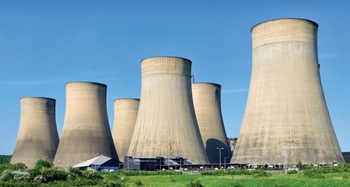
The heritage of nuclear and conventional power stations.
New measures to stop people being ripped off

Government to protect families from cowboy builders and aggressive bailiffs.

New Futurebuild showcase brings an innovation-first approach.
National Planning Policy Framework
Understanding the 2026 changes.
ECA's public affairs priorities

Member consultation opens to shape priorities for 2027 to 2030.
Dutyholder responsibilities from 1 July 2026.
Where performance meets practice

The Building Envelope Stage at UKCW Birmingham.
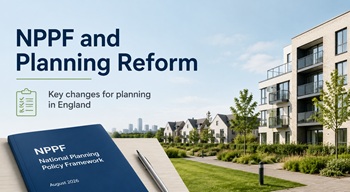
CIAT publishes briefing on planning reforms.
Leaders in Learning for Practice Network

Call for conservation leaders in learning to register interest in new network.
The importance of early engagement
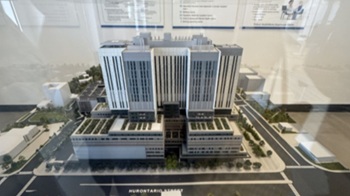
Construction lessons from the Trillium HealthWorks Experience Centre.
Mayors are to be given planning call in powers
Mayors across England will be able to make the most important planning decisions.
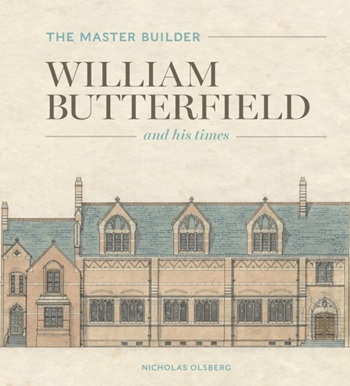
The Master Builder: William Butterfield and his times. Book review.
Comments
[edit] To make a comment about this article, or to suggest changes, click 'Add a comment' above. Separate your comments from any existing comments by inserting a horizontal line.