





Subcontract procurement
The classic 19th-century definition of a contract is 'a promise or set of promises which the law will enforce' (ref. Pollock, Principles of Contract 13th edition). That is, there is reciprocity of undertaking passing between the promisor and the promisee.
In the construction industry, the main contract is typically the tier 1 contract between the client and the main contractor.
A subcontract is a contract that involves a subcontractor undertaking part of the main contract on behalf of the main contractor. This is generally a tier 2 contract.
Subcontracts normally involve work of a specialist nature carried out by specialist subcontractors Subcontracts on a project can encompass many trades but commonly include:
- Bricklayers.
- Cladding installers.
- Concrete installers.
- Drainlayers.
- Electricians.
- Joiners.
- Scaffolders.
- Steel erectors.
- ICT installers.
- Building services.
Procurement is the process of purchasing goods or services. Procuring subcontractors is the process by which these various specialist trades are brought into a project.
Traditionally there have been three main types of subcontractor:
- Domestic subcontractor. A subcontractor selected and appointed by the main contractor.
- Nominated subcontractor. A subcontractor selected by the client to carry out an element of the works.
- Named subcontractor. A subcontractor selected from a list of acceptable sub-contractors provided by the client.
However, on large or complex projects, the work will cascade down the supply chain to a plethora of subcontractors, sub-subcontractors, and so on.
One of the problems in the construction industry is that the first and second tier of the supply chain sign up to fairly onerous agreements but as the chain develops, so the contractual liabilities decrease until suppliers at the end of the chain are often not locked in at all.
In recent years larger companies offering continuity in construction have taken an increasing interest in establishing relationships beyond direct, first tier suppliers. Framework contracts and partnering agreements have pioneered this approach, encouraging the involvement of selected suppliers at relatively early stages of projects while offering continuity of work.
An integrated supply team is one that involves the integration of the complete supply chain involved in the delivery of a project. Under this route, the entire supply team may be appointed after the project brief has been prepared, often under just one contract rather than separate contracts with each individual company.
[edit] Related articles on Designing Buildings Wiki
- Collaborative practices.
- Construction supply chain payment charter.
- Contract sum.
- Contractor.
- Domestic sub-contractor.
- Named specialist work.
- Named sub-contractor.
- Nominated subcontractor v named subcontractor.
- Nominated supplier.
- OJEU.
- Payments to nominated sub-contractors.
- Preliminaries.
- Prime cost sum.
- Procurement route.
- Selected subcontractor.
- Sub contractor.
Featured articles and news

A landmark moment for postmodern heritage.
A safe energy transition – ECA launches a new Charter
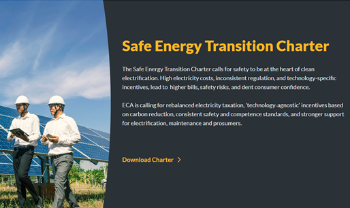
Practical policy actions to speed up low carbon adoption while maintaining installation safety and competency.
Frank Duffy: Researcher and Practitioner

Reflections on achievements and relevance to the wider research and practice communities.
The 2026 Compliance Landscape: Fire doors

Why 'Business as Usual' is a Liability.
Cutting construction carbon footprint by caring for soil

Is construction neglecting one of the planet’s most powerful carbon stores and one of our greatest natural climate allies.
ARCHITECTURE: How's it progressing?
Archiblogger posing questions of a historical and contextual nature.
The roofscape of Hampstead Garden Suburb

Residents, architects and roofers need to understand detailing.
Homes, landlords. tenants and the new housing standards

What will it all mean?
The Architectural Technology podcast: Where it's AT

Catch-up on the latest episodes.
Edmundson Apprentice of the Year award 2026

Entries now open for this Electrical Contractors' Association award.

Traditional blue-grey slate from one of the oldest and largest UK slate quarries down in Cornwall.

There are plenty of sources with the potential to be redeveloped.
Change of use legislation breaths new life into buildings

A run down on Class MA of the General Permitted Development Order.
Solar generation in the historic environment

Success requires understanding each site in detail.