






New report offers recommendations to strengthen energy efficiency standards to protect private renters

Contents |
[edit] Practical MEES recommendations
Delivering for tenants, a report from the National Retrofit Hub and Impact on Urban Health, was published on 10 July 2025. It sets out practical recommendations to help the UK Government’s proposed minimum energy efficiency regulations deliver real, lasting improvements for tenants in the private rented sector.
Published following the recent closure of the consultation on Minimum Energy Efficiency Standards (MEES), the report welcomes the Government’s intent to address cold, inefficient homes but highlights several areas where further clarity, ambition, and support will be needed to ensure the policy achieves its aims.
“The MEES policy has the potential to significantly improve conditions for renters,” said Rachael Owens, Co-director at the National Retrofit Hub. “But to be successful, it must be supported by ambitious standards, well-designed metrics, and a stronger focus on real outcomes for tenants.”
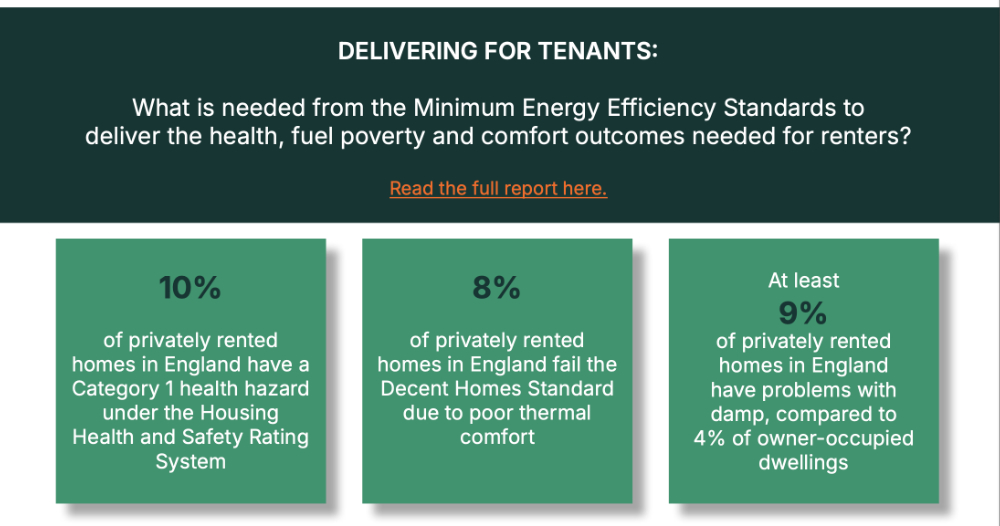
[edit] Dual priority framework
The report proposes a clear framework built around two priorities to ensure MEES delivers meaningful change:
[edit] 1. Ambitious targets
- Set minimum fabric performance standards high enough to deliver thermal comfort, reduce damp and mould, and improve building condition.
- Utilise a carbon metric, rather than a heating system metric, to provide a more accurate means of reducing the carbon emissions of home heating and hot water. Account for running costs when designing policy on heat decarbonisation, to avoid unintended consequences such as higher bills.
- Limit exemptions where possible, and address systemic blockers through reforms to EPCs, planning, and leasehold processes.
[edit] 2. Outcomes monitoring
- Embed performance-based elements such as remote monitoring and health metrics into regulation.
- Ensure upgrades are measured not just by what is installed, but by whether they improve energy efficiency, affordability, and wellbeing in practice.
- Utilise the potential of MEES and the role Domestic Energy Assessors can play in identifying and eliminating health hazards in homes.
"We know that poorly insulated homes affect people’s health, especially low-income renters and those with existing health conditions,” said Robin Minchom, Portfolio Manager at Impact on Urban Health. “High-quality retrofit improves health in many ways: It improves indoor air quality, helps keep homes cooler during heatwaves and warmer in winter, and alleviates fuel poverty. This is a real opportunity to address many causes of ill-health. We believe the Government’s direction is right and hope this report supports the next steps to make their plans deliverable, measurable, and effective."
The Government is expected to publish a set of interim policy decisions later this year. These will take into account feedback from the current consultation alongside the 2020 consultation and will be refined further once wider changes to the Energy Performance Certificate system and the new Home Energy Model are complete in 2026. Final policy decisions, updated legislation, and guidance are expected in 2026.
“This is a pivotal moment to get the detail right,” added Rachael Owens. “By aligning policy with tenant outcomes and strengthening implementation, we can make sure these proposals lead to warmer, healthier homes across the private rented sector.”
Our report was produced in response to the MEES consultation for the private rented sector. The Government has since released a consultation for MEES in the social rented sector. The findings appear very similar, meaning the findings and recommendations in this report will also be useful to those developing policy for the social rented sector.
The report can be accessed here.
[edit] Related articles on Designing Buildings
- Bill Gething and Katie Puckett - Design for Climate Change.
- Definitions of retrofitting.
- Energy efficiency of traditional buildings.
- Energy efficiency retrofit training videos.
- Energy Performance Certificates.
- Government urged to include home energy retrofits in Industrial Strategy.
- Home Energy Masterplan.
- Households Declare.
- How to deal with retrofit risks.
- LETI publishes Climate Emergency Retrofit Guide.
- National Refurbishment Centre.
- National Retrofit Hub.
- National Retrofit Strategy NRS.
- New energy retrofit concept: 'renovation trains' for mass housing.
- PAS 2035.
- PAS 2038:2021 Retrofitting non-domestic buildings for improved energy efficiency.
- Retrofit.
- The Each Home Counts report and traditional buildings.
- Whole house retrofit plan.
Featured articles and news
Costs and insolvencies mount for SMEs, despite growth

Construction sector under insolvency and wage bill pressure in part linked to National Insurance, says report.
The place for vitrified clay pipes in modern infrastructure
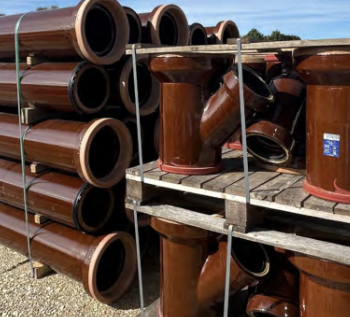
Why vitrified clay pipes are reclaiming their role in built projects.

Research by construction PR consultancy LMC published.
Roles and responsibilities of domestic clients

ACA Safety in Construction guide for domestic clients.
Fire door compliance in UK commercial buildings

Architect and manufacturer gives their low down.
Plumbing and heating for sustainability in new properties
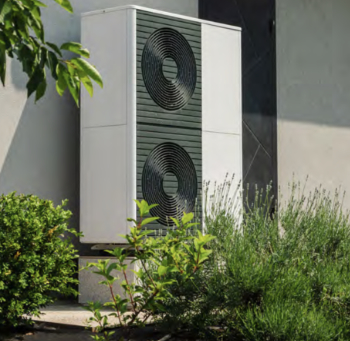
Technical Engineer runs through changes in regulations, innovations in materials, and product systems.
Awareness of the Carbon Border Adjustment Mechanism
What CBAM is and what to do about it.
The new towns and strategic environmental assessments
12 locations of the New Towns Taskforce reduced to 7 within the new towns draft programme and open consultation.
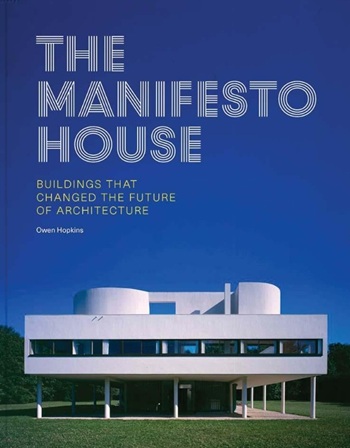
Buildings that changed the future of architecture. Book review.
The Sustainability Pathfinder© Handbook
Built environment agency launches free Pathfinder© tool to help businesses progress sustainability strategies.

Government outcome to the late payment consultation, ECA reacts.
IHBC 2025 Gus Astley Student Award winners

Work on the role of hewing in UK historic conservation a win for Jack Parker of Oxford Brookes University.
Future Homes Building Standards and plug-in solar
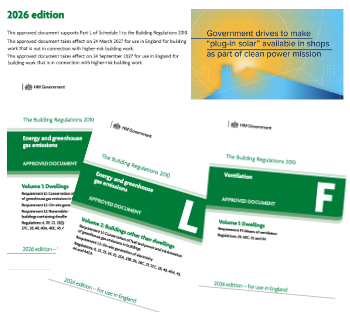
Parts F and L amendments, the availability of solar panels and industry responses.
How later living housing can help solve the housing crisis

Unlocking homes, unlocking lives.
Preparing safety case reports for HRBs under the BSA
A new practical guide to preparing structural inputs for safety cases and safety case reports published by IStructE.
Male construction workers and prostate cancer

CIOB and Prostate Cancer UK encourage awareness of prostate cancer risks, and what to do about it.