





Multi-sensor alarm
The Technical Handbook – Domestic, published by Scottish Ministers to provide guidance on the Scottish building standards suggests there are 4 main types of fire detector used in dwellings:
- Optical smoke alarms.
- Ionisation smoke alarms.
- Multi-sensor alarms.
- Heat alarms.
Alarms may be hard wired or battery operated, and may be interconnected so that if one detector is triggered, all interconnected alarms sound.
It is important that the right type of fire detector is used for different situations, as false alarms can result in occupants ignoring or disabling fire detection and fire alarm systems.
The most common causes of false alarms are:
Multi-sensor alarms (or multi-criteria alarms) detect more than one fire phenomena, for example optical and heat detection. They may also include other detection capabilities, such as carbon monoxide detection.
A multi-sensor alarm provides early warning of fire and can significantly reduce the number of unwanted false alarms in certain circumstances.
Research by BRE, published in 2014, suggested that replacement of existing detectors in Kings College London with intelligent multi-sensor detectors could reduce false alarms by 69%, and that in the general building stock, the increased use of multi-sensor detectors may avert false alarms from common causes such as cooking fumes, steam and so on. Ref The causes of false fire alarms in buildings.
Intelligent multi-sensor alarms are independently addressed and continuously monitored to verify correct operation. They may also have adjustable sensitivity settings and drift compensation to account for environmental conditions. This can help identify when an alarm is genuine, as opposed to resulting from a maintenance issue or incorrect setting.
In dwellings, multi-sensor alarms are recommended in hallways and stairwells adjacent to bathrooms or shower rooms to reduce the number of unwanted false alarms.
For more information, see the BS 5839 series of standards for fire detection and fire alarm systems for buildings.
[edit] Related articles on Designing Buildings
- Carbon monoxide.
- Carbon monoxide detector.
- Electrotechnical industry gears up for All-IP switch.
- Fire.
- Fire detection and alarm system.
- Fire fatalities in Scotland.
- Heat alarm.
- Intruder alarm.
- Ionisation smoke alarms.
- Live investigations of false fire alarms.
- New requirements for fire detection and alarm network systems IP 12 13.
- Optical smoke alarm.
- Over £1 billion lost every year due to false alarms.
- Smoke detection in high ceiling spaces.
- Smoke detector.
- The causes of false fire alarms in buildings.
Featured articles
Check out some of the best features and news from Designing Buildings as well as key stories from around the web.
Bridging the gap between clients and contractors

Concerns remain around contractor quality, capability, and delivery.
Construction Management, 10 June.
Heat pumps beat boilers in new home tests.
Building Safety Act implementation in Wales

CIAT to host industry panel on 26 June.

New and updated CLC building safety guidance.
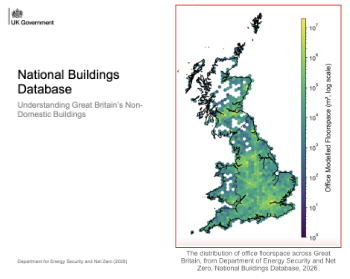
New UK National Buildings Database.
Building Safety Wiki Interviews

Chief executive of the British Woodworking Federation.
Planning condition discharge in England and Wales

A brief explanation from a building compliance expert, with further links.
Overheating guidance and tools for building designers

Guidance for dealing with element of building fabric control that have increasing importance.
Shading for housing, a design guide

From the Good Homes Alliance and British Blind and Shutter Association.
UK Standard Skills Classification (SSC)

A shared framework for describing skills needs.
Social media ban consultation comes to close

CIOB urges UK Government to consider social media’s role in careers guidance in ban debate.