






Microgeneration Certification Scheme 2020

Contents |
[edit] Introduction
This article by Ian Rippin, MCS chief executive, provides revisions to plans for the Microgeneration Certification Scheme.
[edit] History
Since 2008, MCS has provided the UK Standards that allow for the certification of domestic renewable energy products and installers, so that in turn consumers can have confidence in the low-carbon technology they invest in. From solar and wind, to heat pumps, biomass and battery storage, MCS aims to inspire a new generation of home-grown energy, fit for the needs of every UK home and community.
In my role as MCS chief executive, I have assembled a dedicated in-house team based in the North West. This team has been set up to deliver on a plan to transform MCS. The simple aim of which is to move beyond a scheme perceived as only being necessary to secure access to a government incentive, to an organisation that drives up quality and opens up market access to businesses so they can contribute to growing the UK’s ‘green economy’.
[edit] Need for PV standards
Many predicted the end of MCS following the closure of the government’s Feed-in tariff (FiT) in March 2019. The new MCS team worked hard to demonstrate to solar PV installers the need for standards that can protect the integrity of their work and the wider sector against the less quality conscious installer.
As of July 2020, the average volume of solar PV installations registered with MCS is 3,500 per month, back to levels seen before the inevitable spike of installations in the very last few months of FiT. While government incentives can certainly help to develop a given market, we know as consumers ourselves the importance of installers who can demonstrate quality and the highest levels of customer service and care.
[edit] Installer Oversight Committee
The ‘new MCS’ that is now emerging, is closer to the businesses and consumers that we are here to support. I’d say that we are much more engaged. We benefit from feedback and guidance from businesses via a new Installer Oversight Committee.
This Committee is helping to shape MCS, making us fit for the current climate, yet ready for tomorrow’s market. Our intention is to raise standards, which we know to be essential to protecting the integrity of the industry we work with. We will achieve this by making our standards more accessible and relevant to the everyday activities of installers of renewable energy solutions.
Some of the key changes include:
- Simplified requirements around the quality management we expect a business to have.
- An integrated partnership with the Renewable Energy Consumer Code (RECC) as the consumer code of choice.
- Clauses to strengthen enforcement to protect the sector from the ‘cowboys’.
- Reinforcement of the requirements around subcontracting.
- A refocus on supervision audits to move them away from inspecting office systems and more towards site inspections.
This will be followed by the simplification of the technology specific installation standards, starting with the heat pump installation standard that we will relaunch in the next few weeks.
[edit] Affordable renewable options
We are doing all of this at a time when renewable, ‘home-grown’ energy is becoming more recognised and increasingly affordable, giving consumers the opportunity to heat and/or power their homes - independent from external suppliers - and at the same time reduce their energy bills.
By investing in renewable energy technology, the consumers we talk to are wanting to make a real contribution to the global fight against climate change. There is still lots to do, but I expect MCS to be the simpler and more accessible scheme that I and my team are determined it will become.
This article originally appeared on the ECA website with the title, 'Introducing the new MCS'. It was written by Ian Rippin, chief executive of MCS and published on 23 July 2020.
--ECA
[edit] Related articles on Designing Buildings Wiki
- Articles by the Electrical Contractors' Association (ECA).
- Feed-in tariff FIT.
- Microgeneration for buildings.
- Microgeneration certification scheme.
- Renewable energy.
- Renewable Energy Consumer Code RECC.
- Smart Export Guarantee SEG.
- Solar-assisted heat pump.
- Solar photovoltaics.
- Solar thermal systems.
[edit] External resources
Featured articles and news
Costs and insolvencies mount for SMEs, despite growth

Construction sector under insolvency and wage bill pressure in part linked to National Insurance, says report.
The place for vitrified clay pipes in modern infrastructure
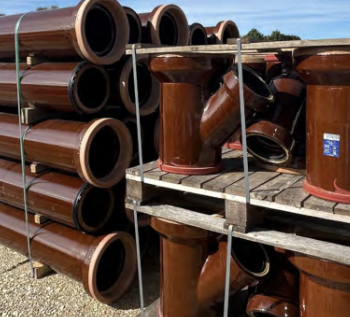
Why vitrified clay pipes are reclaiming their role in built projects.

Research by construction PR consultancy LMC published.
Roles and responsibilities of domestic clients

ACA Safety in Construction guide for domestic clients.
Fire door compliance in UK commercial buildings

Architect and manufacturer gives their low down.
Plumbing and heating for sustainability in new properties

Technical Engineer runs through changes in regulations, innovations in materials, and product systems.
Awareness of the Carbon Border Adjustment Mechanism
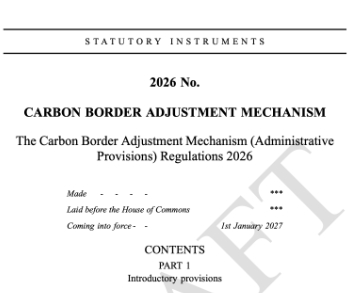
What CBAM is and what to do about it.
The new towns and strategic environmental assessments

12 locations of the New Towns Taskforce reduced to 7 within the new towns draft programme and open consultation.

Buildings that changed the future of architecture. Book review.
The Sustainability Pathfinder© Handbook
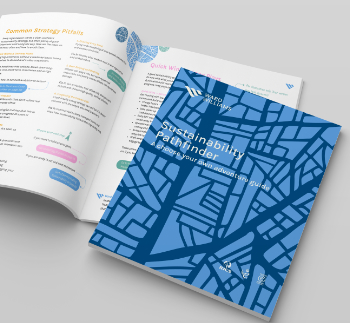
Built environment agency launches free Pathfinder© tool to help businesses progress sustainability strategies.

Government outcome to the late payment consultation, ECA reacts.
IHBC 2025 Gus Astley Student Award winners

Work on the role of hewing in UK historic conservation a win for Jack Parker of Oxford Brookes University.
Future Homes Building Standards and plug-in solar
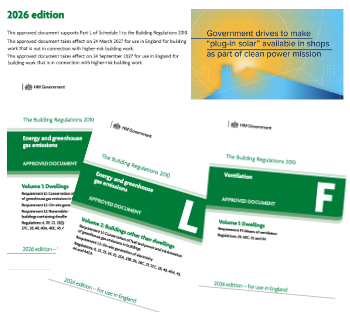
Parts F and L amendments, the availability of solar panels and industry responses.
How later living housing can help solve the housing crisis

Unlocking homes, unlocking lives.
Preparing safety case reports for HRBs under the BSA

A new practical guide to preparing structural inputs for safety cases and safety case reports published by IStructE.
Male construction workers and prostate cancer

CIOB and Prostate Cancer UK encourage awareness of prostate cancer risks, and what to do about it.