






How civil engineers can make cities better
Contents |
[edit] Introduction
On 31 October 2019, World Cities Day focused on how to make cities more inclusive, safe, resilient and sustainable. Kevin Lyons of UK engineering consultancy Lyons O’Neill says there is a major role here for civil and structural engineers.
[edit] The new urban agenda
In 2016 the ‘new urban agenda’ was introduced by the United Nations and formally adopted by the world’s leaders. It provides a vision and commitment to making cities more inclusive, safe, resilient and sustainable.
World Cities Day on 31 October 2019 revolved around how urbanisation can help achieve sustainable development and implement the UN’s new urban agenda.
Most industries are implicated in the negative impacts of urbanisation, but construction plays a significant role. According to recent research by C40 Cities, Arup and University of Leeds, construction will produce 21% of all consumption-based greenhouse-gas emissions between 2017 and 2050 in nearly 100 of the world’s biggest cities. The use of concrete plays a big part in this given the material accounts for up to 8% of global emissions and 85% of all mining.
Although the figures are alarming, they are not without hope. The research concluded that emissions in construction can be cut by 44% if the right action is taken. From building more efficiently to recycling materials, the way structures are designed and built can transform cities’ environmental impact and the lives of people within them. This is where civil and structural engineers come in: they can help achieve the UN’s new urban agenda through the projects they take on and how they are carried out.
[edit] Creating zero-emissions structures
Net-zero-emissions structures are those where construction and operational emissions are counteracted by offsets or exports of on-site renewable energy. Construction emissions, which are a significant part of this, can be reduced through switching from traditional building materials such as concrete to sustainable carbon stores like cross-laminated timber, which can also help to reduce programme time and conserve resources. In every project, civil and structural engineers should be seeking design solutions which use more sustainable materials.
In addition, refurbishing existing structures rather than embarking on new builds is crucial,as well as reusing old building materials. This will not only cut wastage and materials going to landfill but will slash the resources and emissions involved in creating new materials in the first place. Using modular construction techniques can also help with reusing existing stock as they more easily disassembled.
[edit] Improving urban environments
Urban structures can address the negative effects of urbanisation as well as not contributing to them. For example, using sustainable drainage systems (Suds) to control surface water flooding is critical as cities grow and climate change intensifies. Ensuring the water table is not disrupted is a crucial consideration for engineers on individual projects, as well as the general need to create sustainable flood protection.
The buildings of tomorrow can also play a part in tackling air pollution. This not only involves reducing operational and construction emissions but looking for ways to dissipate or offset it. Milan’s Bosco Verticale (pictured) is a residential tower covered by plants which directly absorb carbon dioxide from the atmosphere.
Other practical actions include: embracing digital tools for maximum efficiency; choosing to work on renewable energy projects; designing buildings for longer life-spans; and adhering to environmental assessment standards such as Breeam and Passivhaus.
This article is based on the authors’ briefing article in the 173 CE1 issue of the ICE Civil Engineering journal. It was published on 07 April, 2020 on the ICE Civil Engineer Blog and written by Kevin Lyons, Lyons O'Neill.
--The Institution of Civil Engineers
[edit] Related articles on Designing Buildings Wiki
Featured articles and news
Costs and insolvencies mount for SMEs, despite growth
Construction sector under insolvency and wage bill pressure in part linked to National Insurance, says report.
The place for vitrified clay pipes in modern infrastructure
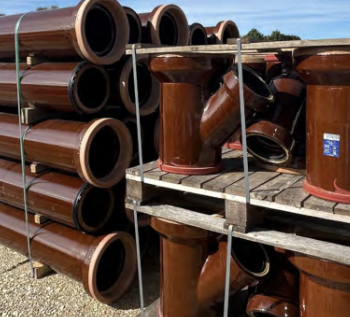
Why vitrified clay pipes are reclaiming their role in built projects.

Research by construction PR consultancy LMC published.
Roles and responsibilities of domestic clients

ACA Safety in Construction guide for domestic clients.
Fire door compliance in UK commercial buildings

Architect and manufacturer gives their low down.
Plumbing and heating for sustainability in new properties

Technical Engineer runs through changes in regulations, innovations in materials, and product systems.
Awareness of the Carbon Border Adjustment Mechanism
What CBAM is and what to do about it.
The new towns and strategic environmental assessments
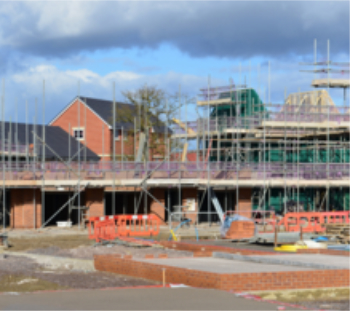
12 locations of the New Towns Taskforce reduced to 7 within the new towns draft programme and open consultation.
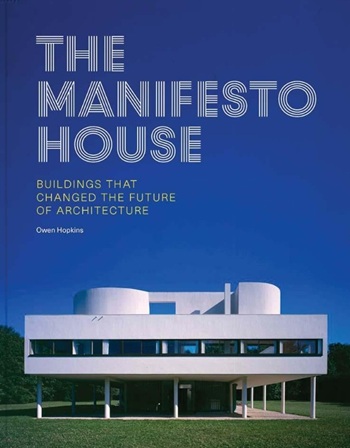
Buildings that changed the future of architecture. Book review.
The Sustainability Pathfinder© Handbook
Built environment agency launches free Pathfinder© tool to help businesses progress sustainability strategies.
Government outcome to the late payment consultation, ECA reacts.
IHBC 2025 Gus Astley Student Award winners

Work on the role of hewing in UK historic conservation a win for Jack Parker of Oxford Brookes University.
Future Homes Building Standards and plug-in solar
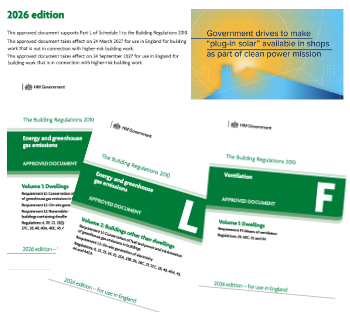
Parts F and L amendments, the availability of solar panels and industry responses.
How later living housing can help solve the housing crisis
Unlocking homes, unlocking lives.
Preparing safety case reports for HRBs under the BSA
A new practical guide to preparing structural inputs for safety cases and safety case reports published by IStructE.
Male construction workers and prostate cancer

CIOB and Prostate Cancer UK encourage awareness of prostate cancer risks, and what to do about it.