




Home Interior Design Styles
Contents |
[edit] Introduction
Interior design involves planning and arranging internal spaces to meet functional requirements while creating a coherent visual environment. The selection of a design style can influence the layout, furniture, materials, colours, lighting and decorative elements used within a home. Understanding the characteristics of different styles can help inform design decisions and ensure that the finished interior responds to the occupants’ needs, preferences and lifestyle.
Interior design styles vary in their historical influences, use of materials, approach to ornamentation and emphasis on function. Modern, minimalist, Scandinavian, traditional and contemporary design are five approaches commonly used in residential interiors. Although each has distinctive characteristics, they can also be combined to create individual schemes.
[edit] Modern interior design
Modern interior design draws on the principles of modernism, a movement that developed in the early 20th century. It emphasises functional planning, simple forms, clean lines and the reduction of unnecessary ornamentation. The style often uses a restrained colour palette, including white, grey, beige, black and earthy tones, alongside materials such as wood, glass, metal and concrete.
Furniture typically has simple geometric forms, while lighting is integrated into the overall design through features such as recessed fittings, track lighting and pendant luminaires. The arrangement of furniture and the use of finishes are intended to support the function of each space and maintain visual clarity. Modern interiors can be adapted to different building types and sizes, although their suitability depends on the existing layout, available space and occupants’ requirements.
[edit] Minimalist interior design
Minimalist interior design reduces visual complexity by concentrating on essential elements and limiting unnecessary decoration. Furniture, fittings and accessories are selected for their function, form and contribution to the overall composition. The style commonly features uncluttered spaces, simple furniture, restrained colour palettes and carefully controlled material choices.
Storage is an important consideration, as built-in cupboards, concealed cabinets and multifunctional furniture can help maintain clear surfaces and organised rooms. Natural light, simple finishes and considered spatial planning can contribute to a sense of openness, although the effect depends on the dimensions and configuration of the space. Minimalism does not necessarily require a stark or impersonal interior. Materials such as timber, stone and linen, together with plants and other carefully selected elements, can introduce texture and warmth without undermining the overall simplicity.
[edit]
Scandinavian interior design developed in the Nordic countries and is associated with simplicity, practicality, natural materials and domestic comfort. Typical features include light-coloured surfaces, functional furniture, timber finishes and a restrained palette of neutral colours. White and pale shades are often combined with natural wood to create a visually light interior.
Comfort and usability are important considerations. Soft furnishings, rugs, cushions and layered lighting can introduce warmth and texture, while plants and other natural elements provide visual contrast. Decorative objects are generally selected with care rather than used in large quantities. The style can be applied to small or large homes, although the effect of light colours and simple furniture on the perception of space will depend on the room's proportions, daylight and arrangement.
[edit] Traditional interior design
Traditional interior design draws on established historical styles and decorative practices. Its characteristics vary according to period and cultural influence but can include detailed joinery, ornamental furniture, decorative lighting, patterned textiles, mouldings and rich colours. Materials such as timber, stone, brass and woven fabrics may be used to establish a sense of craftsmanship and visual depth.
Traditional interiors often incorporate layered furnishings, artwork, curtains, rugs and decorative objects. The arrangement of these elements requires consideration of proportion, colour and balance to avoid overcrowding. Traditional design can also accommodate contemporary requirements, including modern lighting, concealed storage and current building services. Combining historic features with contemporary elements can preserve a sense of continuity while improving the functionality of a space.
[edit] Contemporary interior design
Contemporary interior design reflects current design practices and preferences rather than a single historical movement. Its characteristics therefore change over time and may draw on several different styles. Common features include relatively simple forms, functional layouts, comfortable furniture, considered lighting and combinations of natural and manufactured materials.
Neutral colours are frequently used as a base, with stronger colours introduced through furniture, artwork, textiles or individual surfaces. Materials such as timber, glass, metal, stone and textured fabrics can be combined to provide contrast. Curved furniture and organic forms may be used alongside geometric shapes, depending on the design approach. The flexibility of contemporary design allows existing interiors to be updated through changes to finishes, furniture and lighting without necessarily requiring a complete redesign.
[edit] Choosing an interior design style
The selection of an interior design style should take account of how a home will be used, the needs of its occupants, the characteristics of the building and the available budget. Relevant considerations include room dimensions, circulation, storage requirements, daylight, artificial lighting, maintenance, durability and accessibility. Households with children or pets may need robust, easily cleaned materials, while compact homes may benefit from efficient storage and carefully planned furniture arrangements.
A collection of reference images or a mood board can help identify recurring preferences in colour, materials, furniture and spatial arrangement. These preferences should then be assessed against practical requirements and the existing building. Where alterations affect walls, services, ventilation or other building components, the design may need to be coordinated with architectural and engineering considerations.
It is not necessary to follow a single style throughout a home. Elements from different approaches can be combined, such as contemporary furniture with traditional joinery or Scandinavian textiles within a modern interior. Consistency can be maintained through the considered use of colour, materials, proportions, finishes and lighting. The aim is to create an interior that is visually coherent, functional and appropriate to the occupants, rather than to reproduce a particular style without regard to the building or its use.
[edit] Related articles on Designing Buildings
Featured articles
Check out some of the best features and news from Designing Buildings as well as key stories from around the web.

CIOB celebrates positive Ofsted report.

The Building Safety Regulator announces a call for evidence.

Government approach could undermine delivery and regeneration.
World's first mass timber data centre.

The overlooked environmental aspect of data centre development.
Introduction to radon awareness

New technical information sheet published by CIOB.

Updated supplier guide can help electrical contractors engage with NHP.

CIAT confirm the winners of the 2026 architectural technology awards.

Government launches a one stop shop for flood preparedness.
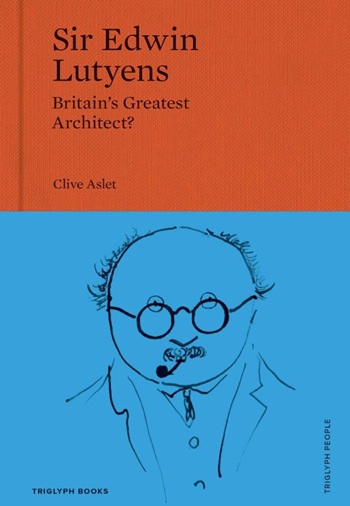
Sir Edwin Lutyens: Britain's greatest architect? Book review.

CIOB publishes free template to help assess and manage risks.
ECA's reflections on Party Conference season

Burnham wants to be confident of winning before asking for a fresh mandate.
New Chief Construction and Scientific Adviser

Sergio Cavalaro, Professor of Infrastructure Systems at Loughborough University.