






Empowering construction with AI integration

Contents |
[edit] AI is everywhere
In today’s fast-paced digital landscape, you can’t seem to move without hearing about artificial intelligence. Whether it is the impressive things ChatGPT can do or the doom-mongering that robots are taking over, AI is everywhere. But love it or hate it, AI isn’t just a buzz phrase; it is becoming a big part of our future, and we must adapt accordingly.
Applying this to the built environment sector, a study by McKinsey highlights construction as one of the biggest industries in the world, but historically among the slowest to digitise and innovate. Despite this, given the innovation of work involved in construction, it is in a prime position to benefit from embracing this new technology. Think less about ‘taking jobs’ and more about boosting productivity. AI can relieve users of their administrative burdens and support them in their day-to-day tasks. Here I will show you how.
[edit] Where AI and construction meet
From the moment a building is pitched by a client to long after practical completion, the construction process requires and deals with huge swathes of data. Lengthy contracts, rounds of architectural drawings and designs, thousands of tender submissions, supplier quotes (RFQs), scope of works and bills of material quantities; the list is endless.
The opportunity to analyse and identify areas for improvement lies within this collated information, paving the way for greater automation, from planning, design and construction to enhanced safety or precise job estimations.
Within these datasets lies the gold. With AI technology, we can collect insights, such as why a project was a success or why it was a failure. By looking at data from past projects, we can duplicate the similarities, focusing on our strengths and spotting differences in our current projects.
At EstimateOne, we have been using AI-like pattern recognition for years, in our case to help subcontractors find specific keywords in page-heavy documents and to auto-recommend superseding documents, so that only the most relevant and up-to-date information is referred to. Done properly, it can lead us to a future where we work faster and smarter while creating safer buildings in the process.
[edit] The human touch
One of the biggest misconceptions surrounding this type of tech is that it is going to replace jobs. Construction is fundamentally a human-first profession, requiring years of on-the-job knowledge and experience. At its heart, the sector runs on relationships, not stats and figures.
If you are doing your job in construction solo behind the keyboard, chances are you are not doing it right. Every building, from inception to completion, results from interpersonal relationships and good communication; something AI cannot replicate. For those still unsure, we need to remember that the likes of Siri and ChatGPT have been designed explicitly to improve, not replace, our daily functions.
[edit] New horizons
By embracing innovation and tapping into AI’s potential, we can make construction more efficient, sustainable, and collaborative than ever before. We can automate data collection, analysis and decision-making on a level not yet seen, allowing construction professionals to focus on more critical tasks.
By leveraging AI-powered systems, workers can save time, reduce errors and complete projects more efficiently; exactly what the sector needs to get back on its feet. But to get there it must overcome a vital hurdle: to embrace technology rather than reject it. As well as daily use of digital tech and increased levels of training, companies also need to foster a data-first approach.
Eventually, AI will become embedded into the DNA of construction. Those who choose to embrace it now will have the most to gain.
Ths article appears in the AT Journal summer issue no 150 as "Empowering construction with AI integration" and was written by Simon Herod, International Manager, EstimateOne.
--CIAT
[edit] Related articles on Designing for Buildings
- AI in architecture: Combining human creativity and tech innovation now and in the future.
- Architectural Technology and AI.
- Artificial intelligence and civil engineering.
- Artificial Intelligence and its impact on the project profession.
- Artificial intelligence and surveying.
- Artificial intelligence for smarter, safer buildings.
- Artificial intelligence in buildings.
- BSRIA publishes Artificial Intelligence in Buildings white paper.
- Building automation and control systems.
- Building information modelling.
- Collaboration benefits of real-time file synchronisation.
- Computer aided design CAD.
- Computers in building design.
- Generative design.
- Getting cyber-physical.
- Global building automation.
- Internet of things.
- Key AI related terms to be aware of, with UK government explanations.
- Parametric design.
- Predictive analytics.
- The impact of digital on civil engineering.
- The long expanding list of AI tools for building planning, design, construction and management.
- Will AI ever be able to design buildings?
Featured articles and news
Costs and insolvencies mount for SMEs, despite growth

Construction sector under insolvency and wage bill pressure in part linked to National Insurance, says report.
The place for vitrified clay pipes in modern infrastructure
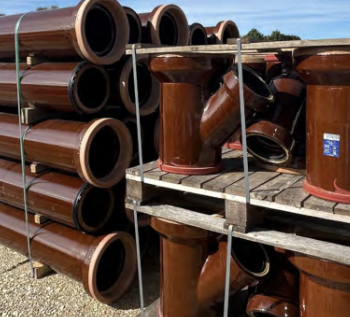
Why vitrified clay pipes are reclaiming their role in built projects.

Research by construction PR consultancy LMC published.
Roles and responsibilities of domestic clients

ACA Safety in Construction guide for domestic clients.
Fire door compliance in UK commercial buildings

Architect and manufacturer gives their low down.
Plumbing and heating for sustainability in new properties

Technical Engineer runs through changes in regulations, innovations in materials, and product systems.
Awareness of the Carbon Border Adjustment Mechanism
What CBAM is and what to do about it.
The new towns and strategic environmental assessments
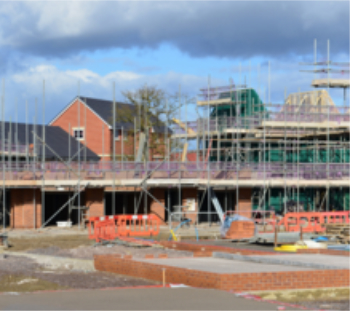
12 locations of the New Towns Taskforce reduced to 7 within the new towns draft programme and open consultation.
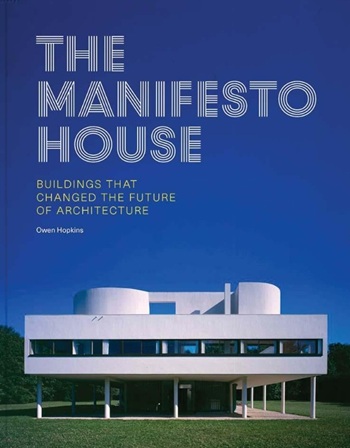
Buildings that changed the future of architecture. Book review.
The Sustainability Pathfinder© Handbook
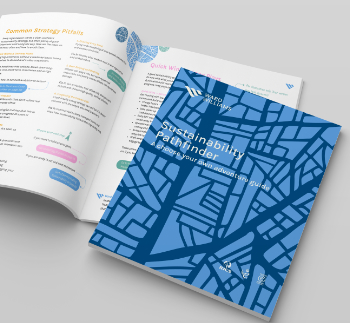
Built environment agency launches free Pathfinder© tool to help businesses progress sustainability strategies.

Government outcome to the late payment consultation, ECA reacts.
IHBC 2025 Gus Astley Student Award winners

Work on the role of hewing in UK historic conservation a win for Jack Parker of Oxford Brookes University.
Future Homes Building Standards and plug-in solar
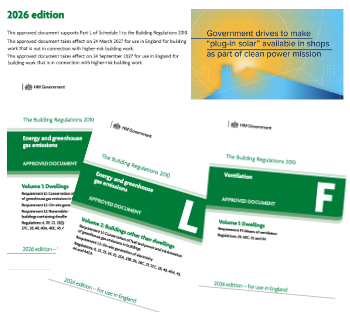
Parts F and L amendments, the availability of solar panels and industry responses.
How later living housing can help solve the housing crisis

Unlocking homes, unlocking lives.
Preparing safety case reports for HRBs under the BSA
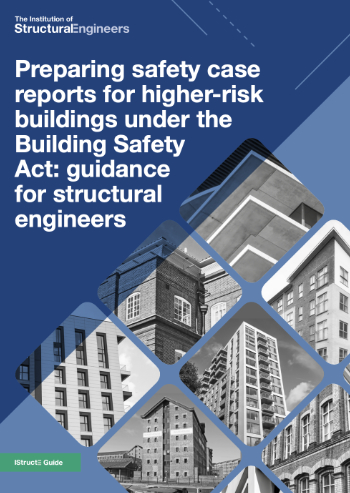
A new practical guide to preparing structural inputs for safety cases and safety case reports published by IStructE.
Male construction workers and prostate cancer

CIOB and Prostate Cancer UK encourage awareness of prostate cancer risks, and what to do about it.