





What is CLOCS?
Contents |
[edit] Introduction
Construction Logistics and Community Safety (CLOCS) is a national standard that requires all stakeholders in construction to take responsibility for health and safety beyond the hoardings. It demands collaborative action to prevent fatal or serious collisions between vehicles servicing construction projects and vulnerable road users; pedestrians, cyclists and motorcyclists.
The standard requires action from clients, principal contractors and vehicle operators and harnesses the power of policy makers to shape the quality of life for their communities.
[edit] The CLOCS Standard
CLOCS has developed the national standard for construction logistics - managing work related road risk, a common standard for use by the construction logistics industry. Implemented by construction clients through contracts, this standard provides a framework enabling the management of road safety by the industry in a way that can be adhered to by fleet operators in a consistent manner.
FORS (Fleet Operator Recognition Scheme) and CLOCS work together to keep compliance simple. For those who work in the construction industry and operate vehicles, FORS Silver accreditation covers CLOCS compliance.
FORS and CLOCS - Compatible Compliance
[edit] A collaborative approach
Eleven separate standards, codes of practice and policies relating to work related road safety were reviewed and brought together into a single common standard. The willingness of organisations to set aside individual positions and to work together in support of a common principle allowed the rapid delivery of the CLOCS Standard. It represents a united response to improve road safety across the industry and deliver greater social responsibility which will save lives.
Developing and sharing effective practices is vital in keeping organisations up to date about the latest standards and procedures being applied in their industry in relation to managing road safety.
The CLOCS standard is supported by a Memorandum of Understanding (MoU) and Terms of Reference (ToR) that build engagement and commitment and articulate roles and responsibilities for implementation.
The CLOCS Team is responsible for monitoring the implementation of the standard, its effectiveness and future versions.
[edit] Scope
It is applicable to all sites (project, premises or property) that require deliveries, collections or servicing by commercial vehicles and all fleet operations using commercial vehicles over 3.5 tonnes gross vehicle weight, unless otherwise indicated by the client. This includes abnormal indivisible loads and engineering plant. All fleet operators shall comply with the standard in the time frame instructed by the client in agreeing the contract. This shall not be more that 90 days from the start of a contract unless special circumstances apply.
CLOCS standard for construction clients/principal contractors includes:
- Construction logistics plan.
- Suitability of site for vehicles fitted with safety features.
- Site access and egress.
- Vehicle loading and unloading.
- Traffic routing.
- Control of site traffic, particularly at peak hours.
- Supply chain compliance.
CLOCS standard for fleet operators:
- Quality operation.
- Collision reporting.
- Traffic routing.
- Blind-spot minimisation.
- Warning signage.
- Under-run protection
- Vehicle manoeuvring warnings.
- Training and development.
- Driver licensing.
[edit] Additional support
CLOCS Vox is available for drivers and contractors. CLOCS Vox app allows drivers to anonymously rate the construction sites they visit. There is an online dashboard where contractors can view this feedback.
Construction Logistics Planning training is available. Construction Logistics Plans (CLPs) are a critical part of CLOCS. Effective CLPs require all stakeholders in construction to work collaboratively. CLP training provides guidance and support to help the UK construction industry work together to plan and manage construction logistics to/from sites.
[edit] Related articles on Designing Buildings Wiki
Featured articles
Check out some of the best features and news from Designing Buildings as well as key stories from around the web.

Channel 4 broadcaster to host 125th anniversary ceremony.
Listed structures on the rail network
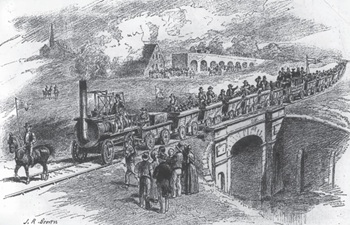
Heritage interests and operational requirements must be balanced.

Historic England publishes research into embodied carbon when retrofitting traditional buildings.

New Prime Minister delivers on ECA call for cut in electricity costs.

CIOB reacts to the announcement of Andy Burnham as Prime Minister.

Heritage and conservation science workforce survey - Have your say.

England's Suburbs 1820-2020. Book review.

New, more proportionate and targeted approach for higher-risk building assessments.

Government brings British Steel into public ownership.

UKCW Birmingham returns with bold new theme and focus.

New guidance published on competence requirements for self-certification schemes.
Construction Management, 8 July

NEETs crisis drives interest in trades, but apprenticeships barriers remain.