






Biotechnology: The key to zero energy buildings

Contents |
[edit] Introduction
A joint venture was established in August 2019 between Newcastle University and Northumbria University to explore how to use biotechnology to create zero-energy buildings. Ben Bridgens of Newcastle University reports.
[edit] Nature's connection to construction
For nearly 200 years the Institution of Civil Engineers’ charter had defined the profession as, ‘the art of directing the great sources of power in nature for the use and convenience of man’.
In practice this has meant using vast quantities of energy and primarily fossil fuels, to extract and process materials from the ground to create the steel, concrete, brick and cement from which the majority of buildings and infrastructure are constructed.
Such buildings are energy intensive to heat and cold and are made from inert materials which do not respond to the dynamic climatic conditions and require maintenance to ensure their continued functioning.
In reality the great sources of power in nature are abundant energy from the sun, photosynthesis, growth, reproduction, evolution, adaptation and symbiotic ecosystems − complex interacting systems which share nutrients and energy. So, rather than trying to use energy-intensive industrial processes to create zero-energy buildings and infrastructure, civil engineers should consider harnessing the power of nature using biotechnology.
[edit] New biotechnology hub
The Hub for Biotechnology in the Built Environment (HBBE) is a new joint initiative between Newcastle University and Northumbria University. It was set up in August 2019 with £8 million funding from Research England.
HBBE sees huge untapped potential in biotechnology to change the way the built environment is constructed, operated and maintained. Its initial work will focus on the use of microorganisms across three main areas: living construction, building metabolisms and microbial environment.
Living construction means growing construction materials using microbes and fungus. This will involve research into microbially synthesised mineral crystals to replace cement, bacterial production of cellulose fibres and bioplastics, and bacterial spore-based materials which change shape in response to water.
Such materials have the potential to go beyond simply replacing existing construction materials with environmentally benign alternatives, to adding new functionality including self-healing materials and responsive materials which adapt to the internal or external environment.
[edit] Metabolisms and microbiomes
Building metabolism research involves developing new microbial technologies which operate rather like a building’s stomach, processing the occupants’ waste and generating energy and other useful products. Technologies will range from small-scale bioreactors for micro-generation of electricity from human waste, production of nutrients for growing food from human and food waste, and development of enzymes which can degrade plastics to create valuable products within the home.
HBBE will also investigate ways in which people might live in greater harmony with environmental microbes and viruses in a healthy ‘microbiome’. New types of biological sensing systems could enable creation of probiotic materials, surfaces and ventilation systems to promote ‘good bacteria’ within buildings.
[edit] Full-scale implementation
Many of the individual technologies are already being developed by researchers at laboratory scale. HBBE will work across scales and disciplines, from nano-scale manipulation of genetic information through to developing prototypes, which will involve collaboration between biologists, engineers and architects, all the way to full-scale implementation and testing within an experimental house.
While each of the technologies could be beneficial in its own right, the truly transformative potential will come from developing them together by considering the building and its materials, systems and occupants as a symbiotic system, with ‘waste’ from one process providing ‘food’ for another, to achieve self-sufficient, durable, healthy buildings for the future.
This article is based on an update of the authors’ briefing article in the 173 CE1 issue of the ICE Civil Engineering journal. It was published on 2 April 2020 on The ICE Civil Engineer Blog and written by Ben Bridgens, Senior Lecturer in Architectural Technology, Newcastle University.
--The Institution of Civil Engineers
[edit] Related articles on Designing Buildings Wiki
Featured articles and news
Costs and insolvencies mount for SMEs, despite growth

Construction sector under insolvency and wage bill pressure in part linked to National Insurance, says report.
The place for vitrified clay pipes in modern infrastructure
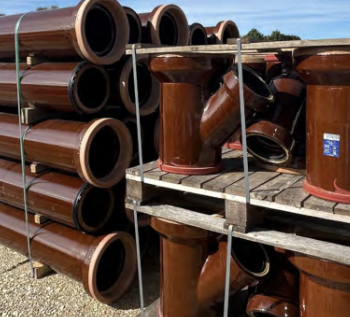
Why vitrified clay pipes are reclaiming their role in built projects.
Research by construction PR consultancy LMC published.
Roles and responsibilities of domestic clients

ACA Safety in Construction guide for domestic clients.
Fire door compliance in UK commercial buildings

Architect and manufacturer gives their low down.
Plumbing and heating for sustainability in new properties
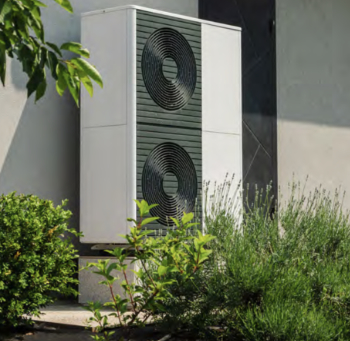
Technical Engineer runs through changes in regulations, innovations in materials, and product systems.
Awareness of the Carbon Border Adjustment Mechanism
What CBAM is and what to do about it.
The new towns and strategic environmental assessments
12 locations of the New Towns Taskforce reduced to 7 within the new towns draft programme and open consultation.
Buildings that changed the future of architecture. Book review.
The Sustainability Pathfinder© Handbook
Built environment agency launches free Pathfinder© tool to help businesses progress sustainability strategies.

Government outcome to the late payment consultation, ECA reacts.
IHBC 2025 Gus Astley Student Award winners

Work on the role of hewing in UK historic conservation a win for Jack Parker of Oxford Brookes University.
Future Homes Building Standards and plug-in solar
Parts F and L amendments, the availability of solar panels and industry responses.
How later living housing can help solve the housing crisis
Unlocking homes, unlocking lives.
Preparing safety case reports for HRBs under the BSA
A new practical guide to preparing structural inputs for safety cases and safety case reports published by IStructE.
Male construction workers and prostate cancer

CIOB and Prostate Cancer UK encourage awareness of prostate cancer risks, and what to do about it.