






BREEAM Protection of ecological features
Contents |
[edit] Aim and benefits
To protect existing ecological features from substantial damage during site preparation and completion of construction works. Often consideration is not given to the fact established ecological features have taken years to grow and develop. Their value is not easily replaced and removal of them has lasting effects.
[edit] When to consider
Before RIBA stage 1 where possible. A site inspection by an ecologist must be carried out before any works begin on the chosen site. If an area of the site needs to be protected then the design and works will have to work around that and the earlier this is known the better.
[edit] Step by step guidance
This credit can only be achieved if the assessment zone is defined as ‘land of low ecological value’.
It is recommended that a suitably qualified ecologist be procured from the earliest point.
Before procuring an ecologist, it should be checked that they are suitably qualified in line with BREEAM requirements.
If using an ecologist, they will need to carry out a site inspection prior to any works beginning on site and at appropriate times of the year to determine if there is any ecological value in the site. If the overall value of the site is low the credit will be achievable but if there is value the site cannot gain the credit. See compliance notes in the BREEAM manual if the site was cleared prior to purchase.
Where the ecologist confirms the overall value is low but there are some features that should be retained and protected during construction these should be highlighted to the design team as early as possible.
The contractor should know they must put in place protection measures before they are appointed.
Before site works being the protection measures recommended by the suitably qualified ecologist should be put in place. BS42020:2013 should be consulted by the ecologist and for best practice the contractor. These measures may be protection around existing trees, rivers or ponds. Specific measures to prevent water pollution. Siting and timing of all construction-type activities to avoid harm to important nature conservation features. Erection of information or warning signs for site workers specifying location, type and means of installation. Erection of wildlife exclusion barriers to prevent, where necessary, particular species (e.g. water voles, badgers, amphibians and reptiles) from moving from one area or feature to another.
If any features of value have been removed from the site pre-of post purchase then credit cannot be achieved.
[edit] Questions to ask while seeking compliance
What state is the site in?
Is it mostly hard standing?
Is it a greenfield site or a brown field site?
What surrounds the site, urban, semi rural, rural?
Are there any derelict buildings?
Are there trees on site, if so are they established?
[edit] Tools and resources
Knowledge base - http://kb.breeam.com/section/new-construction/uk/2014-uk/landuseandecology/le02/
BS42020:2013 can be purchased from a number of suppliers such as - https://shop.bsigroup.com/ProductDetail/?pid=000000000030258704
[edit] Tips and best practice
Good ecologist used from the earliest point.
It should be noted the assessment zone is defined as any land on the site which is being developed (and therefore disturbed) for buildings, hard standing, soft landscaping, site access, plus a 3m wide zone measured outward from the boundary around these areas irrespective of site boundary. It also includes any areas used for temporary site storage and buildings.
[edit] Typical evidence
Ecology report produced by suitably qualified ecologist.
Confirmation ecologist is suitably qualified
Site photographs
Confirmation from the design team/contractor that the features of value will be protected in line with the ecologists recommendations.
[edit] Applicable Schemes
The guidelines collated in this ISD aim to support sustainable best practice in the topic described. This issue may apply in multiple BREEAM schemes covering different stages in the life of a building, different building types and different year versions. Some content may be generic but scheme nuances should also be taken into account. Refer to the comments below and related articles to this one to understand these nuances. See this document for further guidelines.
- UK New Construction 2014
BRE Global does not endorse any of the content posted and use of the content will not guarantee the meeting of certification criteria.
--Emma Houston 11:44, 18 Jan 2018 (BST)
[edit] Related articles on Designing Buildings Wiki
- Biodiversity in the urban environment.
- Biodiversity offsetting.
- Biodiversity net gain consultation.
- BREEAM Ecological value of site.
- BREEAM Enhancing site ecology.
- BREEAM Minimising impact on existing site ecology.
- Ecological baseline.
- Ecological impact assessment.
- Ecological network.
- Ecological survey.
- Ecologist.
- Ecology compensation.
- Habitat Suitability Index.
Featured articles and news
Costs and insolvencies mount for SMEs, despite growth

Construction sector under insolvency and wage bill pressure in part linked to National Insurance, says report.
The place for vitrified clay pipes in modern infrastructure
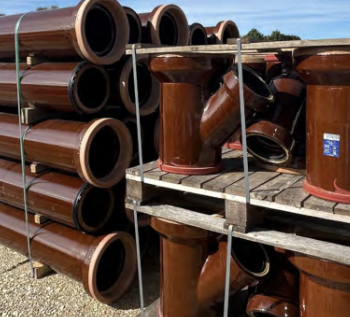
Why vitrified clay pipes are reclaiming their role in built projects.

Research by construction PR consultancy LMC published.
Roles and responsibilities of domestic clients

ACA Safety in Construction guide for domestic clients.
Fire door compliance in UK commercial buildings

Architect and manufacturer gives their low down.
Plumbing and heating for sustainability in new properties

Technical Engineer runs through changes in regulations, innovations in materials, and product systems.
Awareness of the Carbon Border Adjustment Mechanism
What CBAM is and what to do about it.
The new towns and strategic environmental assessments
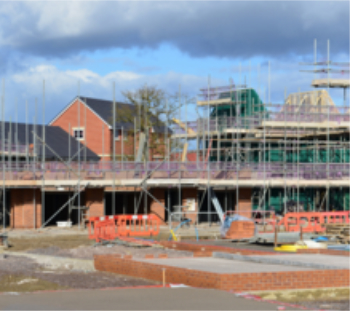
12 locations of the New Towns Taskforce reduced to 7 within the new towns draft programme and open consultation.
Buildings that changed the future of architecture. Book review.
The Sustainability Pathfinder© Handbook
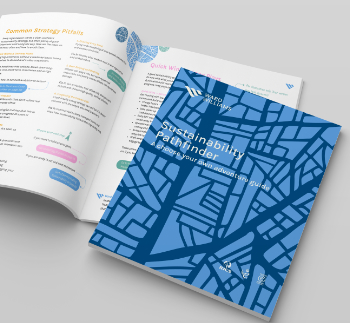
Built environment agency launches free Pathfinder© tool to help businesses progress sustainability strategies.
Government outcome to the late payment consultation, ECA reacts.
IHBC 2025 Gus Astley Student Award winners

Work on the role of hewing in UK historic conservation a win for Jack Parker of Oxford Brookes University.
Future Homes Building Standards and plug-in solar
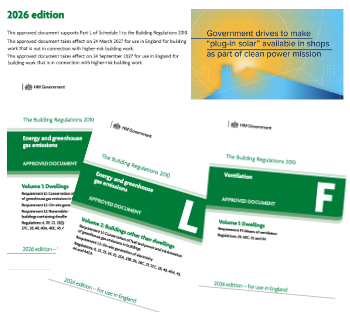
Parts F and L amendments, the availability of solar panels and industry responses.
How later living housing can help solve the housing crisis
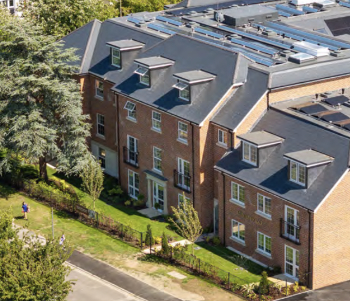
Unlocking homes, unlocking lives.
Preparing safety case reports for HRBs under the BSA
A new practical guide to preparing structural inputs for safety cases and safety case reports published by IStructE.
Male construction workers and prostate cancer

CIOB and Prostate Cancer UK encourage awareness of prostate cancer risks, and what to do about it.