







BIM DataBook
In October 2017, BRE announced a new BIM data product library – DataBook, which they describe as 'game changing'.

DataBook will be the first free-to-use and free-to-list BIM Product Library which will serve as an immutable, definitive and universal data store for all BIM data. Helping to overcome the current, costly and time-consuming fragmentation issues, DataBook users will reduce development costs while benefitting from a compliant, trusted and standardised model that the entire supply chain can access and utilise.
Using Building Information Modelling (BIM) Level 2 on centrally-procured public sector projects was mandated from April 2016. The introduction of BIM Level 2, which is a process lasting through the entire life-cycle of an asset, underpinned by the creation, collation and exchange of 3D models and the intelligent, structured data which is attached to them, should have a hugely positive impact on the construction industry supply chain. Ease of communication between different design and construction partners has been improved enormously since it first came to the industry.
However, current BIM software providers use different standards, without offering a complete range of building elements which the user can draw from, and are often non-compliant with the British Standard BS8541. Furthermore, the fragmentation in software has prevented seamless communication between different parties.
Responding to industry demand, BRE is developing the free, industry-disruptive DataBook Product Library, which allows registered users to link their BIM objects and associate data to a fixed manufacturers’ data source.
DataBook will provide plug-in functions for authoring tools with options to not only link, but also attach data based upon project stage and appropriate project roles. This will remove the liability and risk for designers and constructors from using editable BIM Library objects, whilst providing them with the appropriate manufacturer data that they need to respond to the project requirements throughout the project lifecycle.
BRE has created a new Templater tool that holds the standard for exchanging data, including product data. This will remove the confusion and lack of interoperability that has surrounded sharing standardised product information from BIM and associates technologies.
BRE Templater (with code by activeplan) will provide core building element definitions (like doors, windows, plaster board, roof tiles, etc.), and is built on international standard such as IFC. Leading on from that, DataBook is a solution currently in beta testing and set to launch in early 2018.
Paul Oakley, BIM Director at BRE said:
“The new DataBook will provide a much-needed process to manage information flow during the design and build process, without the complex geometry that exists currently. This will help make BIM work for everyone, as currently too much manual object changing is required as projects are transferred between manufacturers, architects and contractors. Given the substantial savings in time and money, DataBook will quickly become the go-to development source in the building industry.”
DataBook will have a premium, paid for element. Services will include BRE independent assessment of the validity of the data available to each BIM object. BRE will check whether the information source is correct and co-ordinated, and content requirements, including manufacturer and contractor-specific contents, will also be verified.
With this unique aspect, DataBook will become an immutable source of truth, critically reducing the risk often associated when sourcing build materials and suitable contractors. BRE is currently in talks with manufacturers, including Tata Steel and Wienerberger, regarding the listing of products in DataBook, which is set to launch in early 2018.
This article was originally published here by BRE on 26th Oct 2017.
[edit] Find out more
[edit] Related articles on Designing Buildings Wiki
Featured articles and news
Costs and insolvencies mount for SMEs, despite growth

Construction sector under insolvency and wage bill pressure in part linked to National Insurance, says report.
The place for vitrified clay pipes in modern infrastructure
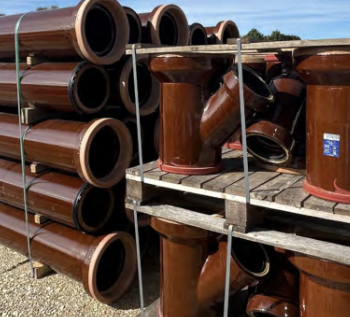
Why vitrified clay pipes are reclaiming their role in built projects.

Research by construction PR consultancy LMC published.
Roles and responsibilities of domestic clients

ACA Safety in Construction guide for domestic clients.
Fire door compliance in UK commercial buildings

Architect and manufacturer gives their low down.
Plumbing and heating for sustainability in new properties

Technical Engineer runs through changes in regulations, innovations in materials, and product systems.
Awareness of the Carbon Border Adjustment Mechanism
What CBAM is and what to do about it.
The new towns and strategic environmental assessments
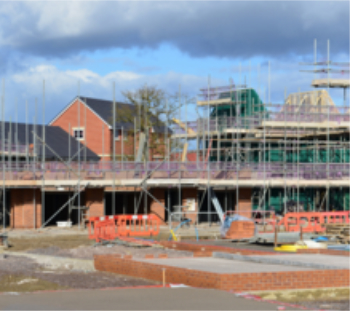
12 locations of the New Towns Taskforce reduced to 7 within the new towns draft programme and open consultation.
Buildings that changed the future of architecture. Book review.
The Sustainability Pathfinder© Handbook
Built environment agency launches free Pathfinder© tool to help businesses progress sustainability strategies.

Government outcome to the late payment consultation, ECA reacts.
IHBC 2025 Gus Astley Student Award winners

Work on the role of hewing in UK historic conservation a win for Jack Parker of Oxford Brookes University.
Future Homes Building Standards and plug-in solar
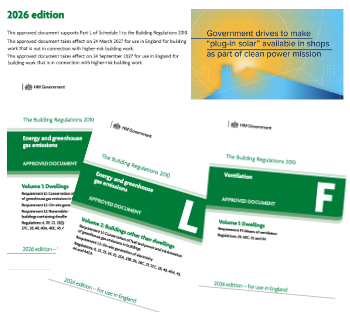
Parts F and L amendments, the availability of solar panels and industry responses.
How later living housing can help solve the housing crisis

Unlocking homes, unlocking lives.
Preparing safety case reports for HRBs under the BSA

A new practical guide to preparing structural inputs for safety cases and safety case reports published by IStructE.
Male construction workers and prostate cancer

CIOB and Prostate Cancer UK encourage awareness of prostate cancer risks, and what to do about it.