





Aluminum Composite Panels (ACP) on buildings
|
Contents |
[edit] Introduction
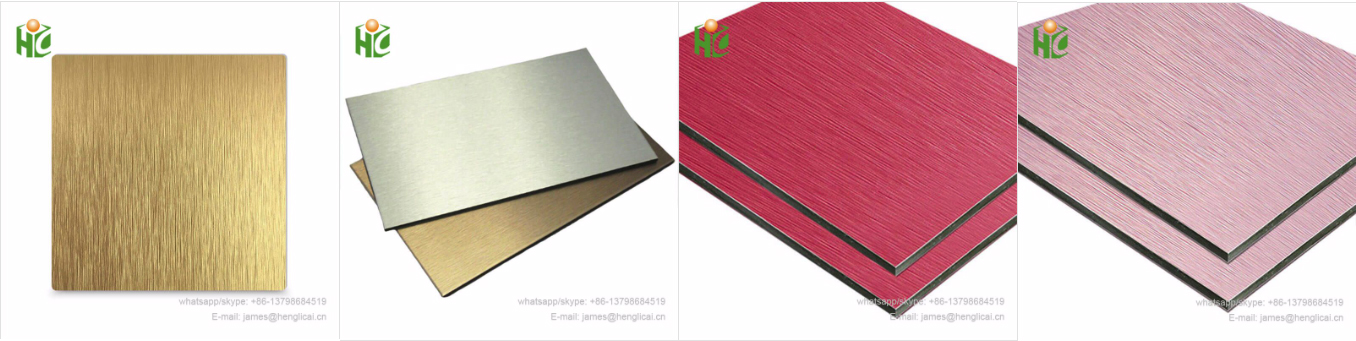
Aluminium Composite Panels are made by laminating an intermediate layer of non-aluminium core between the top and bottom layers of a thin aluminium panel. ACP panels can be further coated with Polyvinylidene fluoride (PVDF) or polyester paint. Total thickness of panels varies from 3 mm to 6 mm, including adhesive layers and glues.
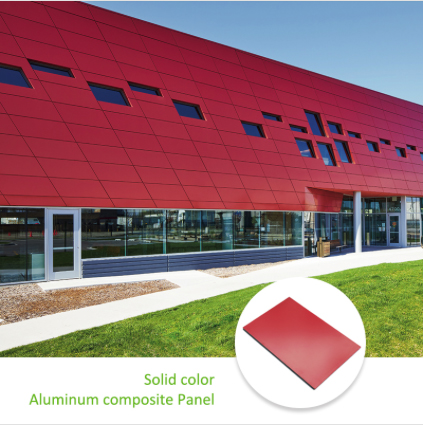
ACP panels are used on the interior and exterior of buildings, often with coloured finishes.
[edit] Features of ACP panels
Aluminium Composite Panels (ACP) offers a wider range of options for builders and architects:
- Durability: ACP laminate is weather resistant, stain resistant and highly durable. Even after exposure to sunlight and weather changes, the panels retain their colour, shape and size, making them ideal for all seasons. They are also soundproof, allowing sound to be deducted from the outside environment.
- Safe to use: Because aluminium is a very good insulator, ACP panels are fire resistant. They do not emit gases or fumes and are safe for internal cladding.
- Economical: Aluminium composite panels are one of the most cost effective and economical materials on the market. They are easy to use, durable and provide the perfect answer for commercial establishments. According to experts, ACP panels offer high quality thermal comfort and reduce energy consumption, thus reducing your electricity bill. They can be used in a variety of shapes and sizes, minimising waste.
- Hassle-free installation: ACP laminates are easy and undemanding to install and can create some extraordinary designs that may be difficult or impossible to recreate with other materials.
- Easy to maintain: ACP laminates require low and hassle-free maintenance and will retain their shape and texture for a long time. Dirt or dust particles can be removed from its surface by simply wiping with a cloth.
[edit] Advantages of using ACP sheet
Below are some of the main advantages:
- The panel has the qualities of light weight, durability, rigidity and strength.
- Another added benefit is its strength-to-weight ratio.
- ACP panels can be cut into various sizes to suit your requirements and the material is highly adaptable.
- The PVDF coating makes it fire and weather resistant, protecting the material from fading and staining.
- ACP panels have a perfectly uniform surface without any deflection or distortion and are resistant to breakage.
- These panels are easy to install and maintain, easy to recycle, and therefore environmentally friendly.
- Aluminium composite panels provide excellent thermal and acoustic insulation.
- They are also weather resistant and UV resistant.
- These panels are available in a wide range of colours and finishes, from standard colours to high-gloss, matte and metallic finishes.
[edit] ACP Sheet Applications
ACP is an important part of the interior and exterior decoration of hotels, hospitals, subway stations and other buildings, were it can be uses as:
- Exterior and interior of buildings and corporate housing
- Cabinets, closets and modular kitchens
- False ceilings
- Wall panels
- Machine and equipment coverings
- Signs and signage
- Container construction
NB Click here for information about ACM cladding and the Grenfell Tower fire.
[edit] Related articles on Designing Buildings
- ACM cladding.
- Aluminium.
- Aluminium decking.
- Cast iron.
- Copper.
- Difference between cast iron and wrought iron.
- Failure of metals.
- Flashing.
- Galvanised steel.
- Iron.
- Lead.
- Lead in construction.
- Major cast metal components.
- Metal.
- Metal composite panels.
- Metal fabrication.
- Metal roofing.
- Potash.
- Stainless steel.
- Structural principles.
- Structural steelwork.
- Types of metal.
- Types of steel.
- Weathering steel.
- Zinc.
Featured articles and news

We're expanding our collaborative mission by launching DB Intelligence, an exclusive market research advisory panel. Built environment professionals can now get paid to share their expertise on industry trends, products and services.
Panel members receive direct financial incentives for participating in research projects like short surveys, 1-2-1 interviews and focus groups. Register today to shape the future of the construction sector.
Building Safety Wiki Interviews

Chief executive of the British Woodworking Federation.
Planning condition discharge in England and Wales

A brief exoplanation from a building compliance expert, with further links.
Overheating guidance and tools for building designers

Guidance for dealing with element of building fabric control that have increasing importance.
Shading for housing, a design guide

From the Good Homes Alliance and British Blind and Shutter Association.
UK Standard Skills Classification (SSC)

A shared framework for describing skills needs.
Social media ban consultation comes to close

CIOB urges UK Government to consider social media’s role in careers guidance in ban debate.
The latest of eight Skills England apprenticeship units

The addition of battery manufacturing welcomed by ECA with a warning about the risks of fast-tracked apprenticeship units.
Building Control Independent Panel final report
A precis of a key report led by Dame Hackitt with full recommendations and link to the government response.
Building Safety recap April, 2026

A short and longer run-through of the month, with links to further information and sources.
CIAT May 2026 briefing.

From medieval scribes to modern word art.

ECA welcomes crackdown on late payment and push for clean energy, whilst CIOB seek fixed cladding removal timeframes.
Cyber Security in the Built Environment
Protecting projects, data, and digital assets: A CIOB Academy TIS.
Managing competence in the built environment
ITFG publishes new industry guide on how to meet the ICC principles.