





Building user's guide
In addition to a building owner's manual and building log book, it may also be prudent to prepare a non-technical 'building user's guide' (BUG) with information for users about:
- The principles behind the design of the building and how these affect its operation.
- The building's standard of performance.
- Energy efficiency measures.
- Water-saving measures.
- Means of operating heating, lighting and cooling systems, and the consequences of incorrect operation.
- Access, security and safety systems.
- Methods for reporting problems.
- Car parking and cycling provision, local public transport, car sharing schemes, etc.
- Waste management.
- Training.
It may also include guidance for facilities managers and for maintenance and other contractors.
The building user's guide should be written as if the user knows nothing about the systems being described. The document needs to be kept up to date to reflect changes in the building and should be made easily accessible so that users can refer to it easily, and new users can learn about the building. Ideally it should be made accessible online.
The building user's guide is usually prepared by the designers, but its preparation may be considered an 'additional service' by consultants unless specifically required by their appointment agreement.
For more information, see How to write a building user guide.
NB The Inclusive Design Overlay to the RIBA Plan of Work published by the RIBA in 2023, gives an alternative definition: ‘The Building User Guide is the inclusive design element of the Building Manual and it should include accessibility arrangements such as inclusive travel options by public transport, vehicular drop off, accessible parking provision, adapted cycle parking, entry systems for all potential users, step free routes and circulation, adapted desk and chair arrangements, desk and meeting booking systems, availability and type of assisted listening systems, lifts, wayfinding and signage systems, refreshments and dietary needs, specific amenities (such as toilet types and locations, faith rooms, quiet rooms and first aid) evacuation procedures and support, provision for assistance dogs, safeguarding and safety arrangements for disabled people.’
[edit] Related articles on Designing Buildings
Featured articles
Check out some of the best features and news from Designing Buildings as well as key stories from around the web.

Your guide to The Construction Reset at UKCW Birmingham.

Accommodating the Victorian and Edwardian working woman. Book review.
Rethinking passive fire protection in design

PFP demands the same level of design rigour as structure or services.

38% of Gen Zs feel safe when a fire door is wedged open.
Stunning images from around the world
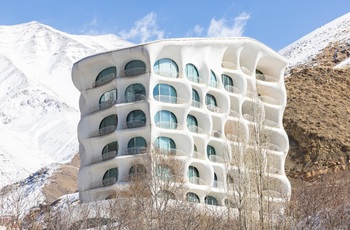
Shortlist for CIOB’s Art of Building photography competition.
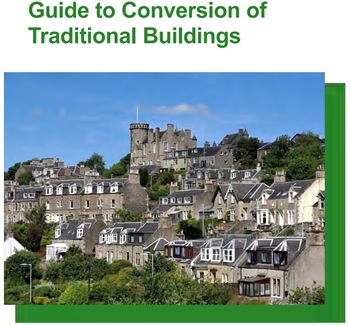
Guidance for conversion of traditional pre-1919 stone buildings.
Industrial heritage in the Ruhr
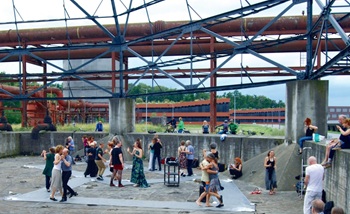
A marked difference to the fate of industrial landscapes in the UK.
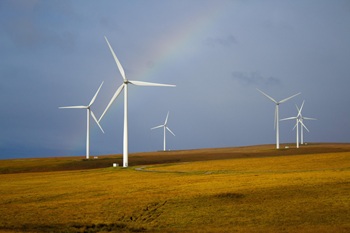
Communities will be able to build their own clean energy.
Why diversity and inclusion matters for SMEs

CIOB’s D&I Charter shows how practical changes can support long-term growth.
Cut electricity bills to power growth

Coalition sends joint letter to the Chancellor.

Gasholders: a history in pictures. Book review.
Recognition, influence and growth
SocEnv identifies three strategic pillars in new strategy to 2045.
Comments