




End-user

In the construction industry, the term ‘user’ or ‘users’ typically refers to any persons, groups or organisations who use property or land as an occupier, owner, tenant, visitor or other stakeholder.
For more information see: Users.
A user can also be referred to as an ‘end-user’, which indicates that the ‘end’ is the completion of building, i.e. when it can be used for its designed purpose. A common domestic building end-user is a resident, that is, an individual who uses the building as a residence on a permanent or long-term basis.
The type of end-users will depend on the use class of a building, i.e. what it is used for. The Town and Country Planning (Use Classes) Order categorises uses of land and buildings. Developments may not be used for purposes that are not within the use class for which they received planning permission.
See also: End use.
[edit] Related articles on Designing Buildings Wiki
Featured articles
Check out some of the best features and news from Designing Buildings as well as key stories from around the web.
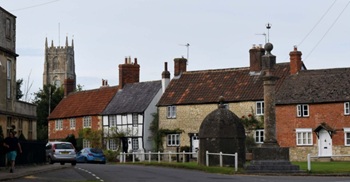
When buildings reflected the local resources available.

CIOB reports 57% are using artificial intelligence technologies.

More of England’s ‘hidden heroes’ will be celebrated.

CIAT calls for retrofit to be a priority.
Version 6 is now available, along with guidance for ECA members.
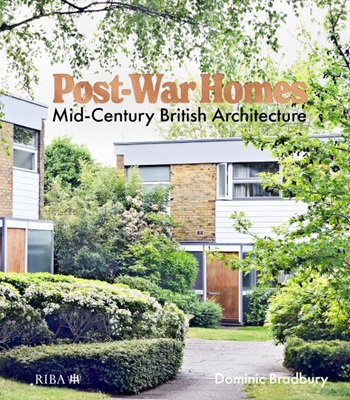
Post-War Homes: mid-century British architecture. Book review.

CIAT reflects on the party conferences.

CIOB announce the winners of the Art of Building photography competition.

National Scheme of Delegation introduced.

The cost of employing people remains a concern.
Code of Practice for Electrical Energy Storage Systems.

ECA calls on members to comment on draft 4th edition.

Bringing together expertise and creating cultural benefits.