





Water engineer

The term ‘engineer’ is a very broad one, covering a wide range of disciplines that use the sciences and mathematics to develop solutions for technical applications.
Water engineers develop solutions in relation to water, its use, risks and infrastructure. Water engineers might work in the following areas:
- River engineering.
- Water utility and network design.
- Waterfront development.
- Marine and coastal engineering.
- Water resource management.
- Flood risk management.
- Erosion control.
- Maintaining access to potable water and sanitation.
- Hydroelectricity.
- Infrastructure design, protection and maintenance.
- Support for industries that use water.
- Ice hydraulics.
- Climate change.
They might undertake a range of specialist roles to enable water to be effectively managed, such as:
- Hydraulic modelling – using computational software to model water flows in a river, coastal or glacial environment.
- Water treatment – dealing in aerobic and anaerobic biological and chemical characteristics and determining the equipment required to purify water so it can be used for irrigation, human consumption and so on.
- Network modelling - Analysing how water is collected and distributed.
Water engineers should have a passion for understanding where water comes from, what it does in its life cycle, what it can be used for, the constraints it poses and the benefits it can bring. They can help create designs which are:
- Sustainable.
- Appropriate to the location (safe, accessible, resilient).
- Appropriate to current and likely future requirements.
- Sensitive to anticipated shifts in climate.
- Supportive of the local ecology.
The water engineer's role is to present opportunities and risks in a way which enables an informed decision to be made about the most appropriate solutions. This work spans the theoretical and the practical, preparing hypothetical calculations of multiple scenarios. Water engineers think in terms of probability and likelihood, assessing options in terms of their potential success, failure and necessary mitigation measures.
Water engineers may be qualified civil engineers. They may also have water-specific accreditations, such as those offered by the Institute of Water.
[edit] Related articles on Designing Buildings Wiki
- Catchment flood management plans.
- Civil engineer.
- Coastal defences.
- Drainage.
- Engineer.
- Flood and water management act.
- Flood.
- Groundwater.
- Hydrogeology.
- Hydropower.
- Marine energy.
- Public Health Act 1875.
- River engineering.
- SUDS.
- Surface water.
- Sustainable water.
- Thames barrier.
- Tidal lagoon power.
- Water engineering.
- Water resources.
- Water resource planning.
Featured articles
Check out some of the best features and news from Designing Buildings as well as key stories from around the web.
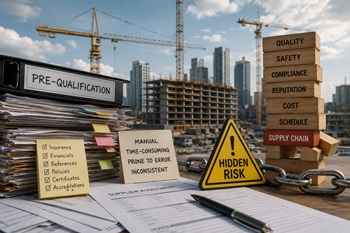
The hidden risk in modern construction supply chains.
Construction Management, 10 June

24 months to 14: CITB launches accelerated apprenticeships.
Bridging the gap between clients and contractors

Concerns remain around contractor quality, capability, and delivery.
Construction Management, 10 June.
Heat pumps beat boilers in new home tests.
Building Safety Act implementation in Wales

CIAT to host industry panel on 26 June.

New and updated CLC building safety guidance.
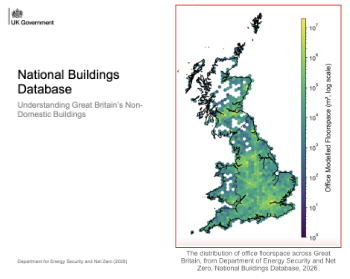
New UK National Buildings Database.
Building Safety Wiki Interviews

Chief executive of the British Woodworking Federation.
Planning condition discharge in England and Wales

A brief explanation from a building compliance expert, with further links.
Overheating guidance and tools for building designers

Guidance for dealing with element of building fabric control that have increasing importance.
Shading for housing, a design guide

From the Good Homes Alliance and British Blind and Shutter Association.