





Types of mortars and their historic uses
Contents |
[edit] Most common types of mortars
The most common types of mortars include:
- Lime mortars
- Natural cement mortars
- Earth mortars
- Portland cement mortars
- Portland cement and lime mortars
If considering using these materials in a construction project, it's crucial to understand the historical contexts in which they have previously been utilised. From ancient lime mortars to the advent of modern cements, each type reflects a unique chapter in the evolution of construction practices. Here is a look at the different types and historical uses of cement and lime mortars.
[edit] Lime mortars
Lime mortars have a long history, dating back thousands of years, and remain vital in the repair and conservation of traditionally build structures. Throughout British architectural history, lime mortars were commonly used in structures made of stone, brick, or earth. At Cornish Lime, we stock a range of lime mortars.
Whilst remaining in common use in the construction of buildings, the reality is the composition of these mortars varied depending on the era and location. In the pre-1800s and early 1800s, quicklime mortars were prevalent. These mortars involved mixing quicklime with coarse sand and water to create a slaked lime mixture. Analysis by the Scottish Lime Centre found that about four-fifths of mortars from this period followed this method.
With advancements in kiln technology and industrial transport during the 1800s, the usage of natural hydraulic lime (NHL) mortars surged. Predominantly sourced from regions like the Blue Lias belt, these NHL mortars present identification challenges, often requiring mortar analysis for definitive determination.
For those fascinated by historical structures, our article on the Historic Use of Lime in 10 Traditional Buildings & Landmarks offers further insights.
[edit] Natural cement mortars
Natural cements, patented by James Parker in 1796, experienced significant adoption across the United Kingdom in the following century as new source rocks meeting mineralogical requirements were discovered.
These cements, known for their binder-rich composition and distinctive colouration, often resembling red or orange iron oxide hues, offered a contrast to lime mortars, which derive their colour primarily from the sand used.
Notable examples of natural cement applications can be found in London, where both mortars and renders can still be found on prominent buildings even now. Over time, aged natural cement renders may develop hydraulic cracking, reminiscent of the shrinkage patterns seen in arid riverbeds.
[edit] Portland cement mortars
In addition to natural and earth mortars, the history of Portland Cement also merits attention. Developed in the 19th century, Portland cement revolutionised construction practices becoming the first widespread artificially created binder.
Named after the creamy colour of Portland stone, this material is now understood to likely have been similar in strength to one of the stronger modern NHL5 limes. When looking at the chemistry of these materials, it can be easy to confuse a strong hydraulic lime mortar with an early Portland cement.
[edit] Earth mortars
Conversely, earth mortars, fashioned from locally sourced subsoil materials, represent a traditional yet pragmatic alternative. While prevalent in locales with limited access to lime, earth mortars may incorporate the addition of quicklime, evident through the presence of soft, white, powdery lime inclusions.
Typically, the incorporation rate of lime in earth mortars is lower compared to its usage in sand and lime mortars.
[edit] Related articles on Designing Buildings
- Binding agent.
- Cement mortar.
- Defects in brickwork.
- Defects in stonework.
- Dry hydrate lime mortar.
- Grout.
- Gypsum.
- Harl.
- Hemp lime construction: A guide to building with hemp lime composites.
- High alumina cement.
- High lime low alkali glass.
- Hot-mixed lime mortar.
- Hot-mixed mortars: the new lime revival.
- Hydraulic lime.
- Hydrated lime.
- Lime concrete.
- Lime mortar.
- Lime plaster.
- Lime putty mortar.
- Lime run-off.
- Mortar.
- Mortar analysis for specifiers.
- Non hydraulic lime.
- Pointing.
- Portland cement.
- Rendering.
- Soda-lime glass.
- Stucco.
- Types of mortar.
- The use of lime mortar in building conservation.
- Types of mortar.
Featured articles
Check out some of the best features and news from Designing Buildings as well as key stories from around the web.
Bridging the gap between clients and contractors

Concerns remain around contractor quality, capability, and delivery.
Construction Management, 10 June.

Heat pumps beat boilers in new home tests.
Building Safety Act implementation in Wales

CIAT to host industry panel on 26 June.
New and updated CLC building safety guidance.
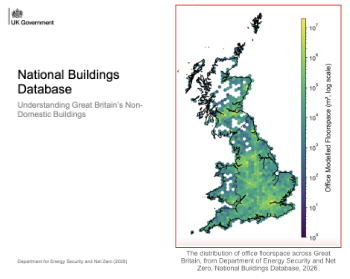
New UK National Buildings Database.
Building Safety Wiki Interviews

Chief executive of the British Woodworking Federation.
Planning condition discharge in England and Wales

A brief explanation from a building compliance expert, with further links.
Overheating guidance and tools for building designers

Guidance for dealing with element of building fabric control that have increasing importance.
Shading for housing, a design guide

From the Good Homes Alliance and British Blind and Shutter Association.
UK Standard Skills Classification (SSC)

A shared framework for describing skills needs.
Social media ban consultation comes to close

CIOB urges UK Government to consider social media’s role in careers guidance in ban debate.