






The use of concrete structures to protect construction sites
To help develop this article, click 'Edit this article' above.

Contents |
[edit] Introduction
Once widely used in the Roman Empire, concrete has created some of the largest structures still standing today, such as the Pantheon and the Colosseum in Rome and more recently the Hoover Dam on the border between Arizona and Nevada in the USA.
Following the collapse of the Roman Empire, concrete was slowly phased out as a building material until its comeback in the middle of the 18th century. Nowadays it is a staple construction material and is one of the most widely used man-made materials throughout the modern world.
However concrete is not just useful as a building material for large scale projects. Concrete has a wide range of uses and because of its high density it can often be used as a security measure to deter trespassers, prevent people from breaking and entering and more. This makes it incredibly useful for building sites where the project has been briefly delayed for a few weeks or months and security measures need to be put in place to prevent intrusion, vandalism or theft.
We show three examples of concrete structures which can be used to great effect when renovating a building or conducting planned building or demolition works.
[edit] Concrete paving slabs
When working in damp or muddy conditions, thick sludge and mucky earth can hinder construction progress. Concrete paving slabs provide a stable and secure platform upon which construction workers can progress with construction. They are durable, hard wearing and resistant to the elements, making them ideal for long-term construction projects or projects working in the open air. Concrete paving slabs come in a variety of colours and sizes. In some cases it is a good idea to choose a brighter colour as it is easier to spot in harsh weather.
[edit] Concrete security planters
A great and subtle way to increase security is to decorate the exterior of the building with concrete security planters. A concrete basin is placed outside the building that is made of 2/3rds concrete, 1/3rd earth and soil. This can then be planted, giving the illusion that it is only there to provide foliage and a pleasant atmosphere. However the concrete acts as a fantastic security barrier as it prevents vehicles from parking and works as a physical barrier if intruders want to try to force their way in using heavy machinery.
[edit] Concrete barriers
Often the classical method of security is the most popular, and temporary concrete vertical barriers do an excellent job of keeping trespassers out. Their large bulk and variety of sizes prevents vehicles from entering a building site and because of their weight they can easily cordon off sections of the site to prevent access.
It is important to be aware that a construction site may be perfectly secure during the day; however safety and security measures must be put in place when the employees and construction workers sign off for the day, otherwise the building may be target for vandalism or theft. Concrete barriers and security planters deter this so that construction can go ahead as planned.
Featured articles and news
Costs and insolvencies mount for SMEs, despite growth

Construction sector under insolvency and wage bill pressure in part linked to National Insurance, says report.
The place for vitrified clay pipes in modern infrastructure
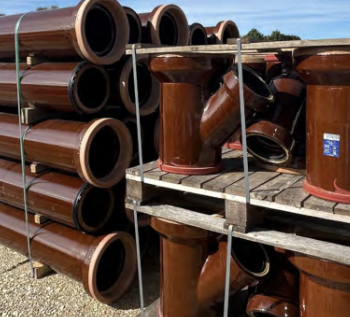
Why vitrified clay pipes are reclaiming their role in built projects.

Research by construction PR consultancy LMC published.
Roles and responsibilities of domestic clients

ACA Safety in Construction guide for domestic clients.
Fire door compliance in UK commercial buildings

Architect and manufacturer gives their low down.
Plumbing and heating for sustainability in new properties

Technical Engineer runs through changes in regulations, innovations in materials, and product systems.
Awareness of the Carbon Border Adjustment Mechanism
What CBAM is and what to do about it.
The new towns and strategic environmental assessments
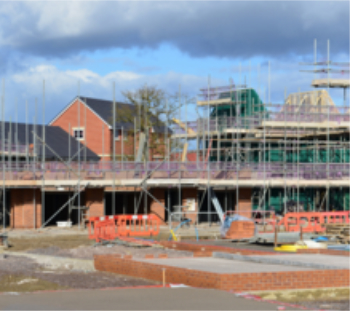
12 locations of the New Towns Taskforce reduced to 7 within the new towns draft programme and open consultation.
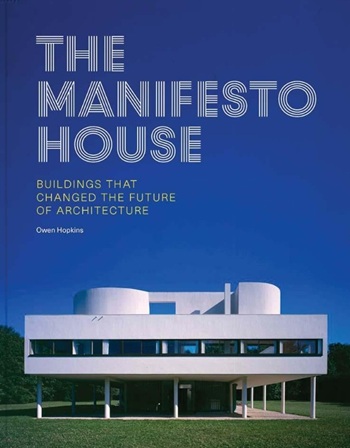
Buildings that changed the future of architecture. Book review.
The Sustainability Pathfinder© Handbook
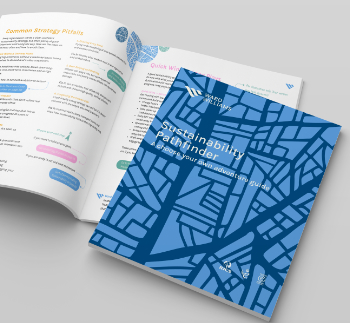
Built environment agency launches free Pathfinder© tool to help businesses progress sustainability strategies.

Government outcome to the late payment consultation, ECA reacts.
IHBC 2025 Gus Astley Student Award winners

Work on the role of hewing in UK historic conservation a win for Jack Parker of Oxford Brookes University.
Future Homes Building Standards and plug-in solar
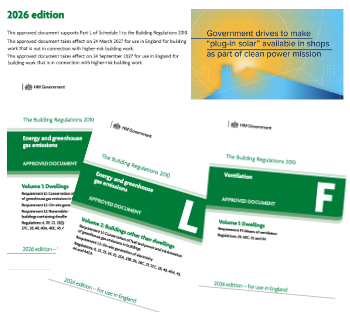
Parts F and L amendments, the availability of solar panels and industry responses.
How later living housing can help solve the housing crisis
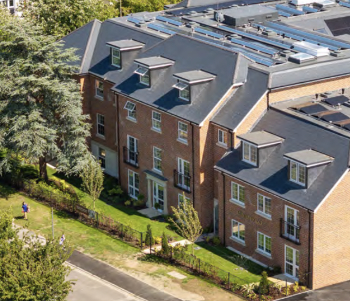
Unlocking homes, unlocking lives.
Preparing safety case reports for HRBs under the BSA
A new practical guide to preparing structural inputs for safety cases and safety case reports published by IStructE.
Male construction workers and prostate cancer

CIOB and Prostate Cancer UK encourage awareness of prostate cancer risks, and what to do about it.