





The Differences Between Engineered Flooring and Solid Hardwood Flooring
Contents |
Introduction
Engineered and solid hardwood flooring are very similar - when on the floor, engineered boards look identical to solid wood. However, although they look the same, they can act and react very differently. Engineered floors are tougher, but solid wood flooring can last longer.
Properties of engineered flooring
Engineered flooring is made up of core boards and timber that are effectively layer after layer of ply that are bonded together. These boards are topped off with a lamella or top layer of solid wood, which is what makes engineered wood flooring look just like solid wood.
Engineered flooring can be installed as a floating floor, meaning if you moved home, you could take the floor with you as it does not stick to the subfloor. Wood is a natural product meaning it can be affected by humidity and temperature, but the construction of engineered wood makes it less reactive to these changes. This makes it structurally solid and much less likely to damage or warp.
Engineered timber is now the most common type of wood flooring used globally, and the technology has enabled the production of much wider boards.

Properties of solid hardwood flooring
Hardwood flooring is made from solid wood of almost any hardwood species or grade. Solid wood flooring is made of 100% natural wood, and the solid wood boards are refined from one piece of hardwood, then treated with a protective coating.
Solid wood provides the authenticity of a classic wooden floor, and usually thick boards mean they can be re-sanded and refinished numerous times without any damage – giving a quality floor which will last a lifetime.
Solid hardwood is for purists considering long-term prospects and who do not mind installing different types of flooring in different parts of the house.
Popular uses
Engineered wood is more suitable for higher moisture areas and rooms with environments with varying humidity levels such as kitchens and conservatories. This also makes it suitable for use over concrete floors. Engineered wood has a greater range of installation methods, such as stapling, nailing, click or glue.
As solid wood is one piece of hardwood from top to bottom, it needs to be nailed or stapled down to a permanent floor, meaning a concrete base is a problem, and it can never be installed on a floating basis.
Solid hardwood is best used in living areas, bedrooms, hallways, and dining rooms. Also, it is wise to avoid solid wood in kitchens, only installing if waterproof mats are placed near sinks and dishwashers.

Wood species
There are fewer choices with engineered wood. Red oak, hickory, and Brazilian Cherry are the most popular wood species for engineered flooring.
There are far more choices of wood species for solid hardwood. Red and white oak, maple, hickory, and pine are the most popular choices.
--G&S Specialist Timber 09:01, 16 May 2017 (BST)
Related articles on Designing Buildings Wiki
- 11 things you didn't know about wood.
- Bamboo flooring.
- Click and lock flooring.
- Cross-laminated timber.
- Engineered bamboo.
- Floating floor.
- Hardwood.
- Physical Properties of Wood.
- Plywood.
- Softwood.
- Subfloor.
- The differences between hardwood and softwood.
- Types of flooring.
- Types of timber.
- Best Woods for Wood Carving
- Oak wood properties
- Pine wood
- The Uses of Wood in Construction
Featured articles and news
Costs and insolvencies mount for SMEs, despite growth
Construction sector under insolvency and wage bill pressure in part linked to National Insurance, says report.
The place for vitrified clay pipes in modern infrastructure
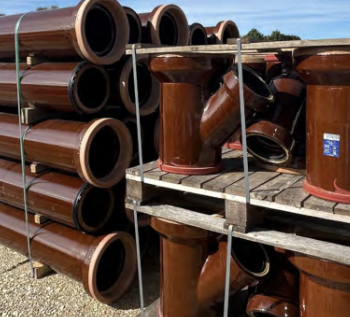
Why vitrified clay pipes are reclaiming their role in built projects.

Research by construction PR consultancy LMC published.
Roles and responsibilities of domestic clients

ACA Safety in Construction guide for domestic clients.
Fire door compliance in UK commercial buildings

Architect and manufacturer gives their low down.
Plumbing and heating for sustainability in new properties
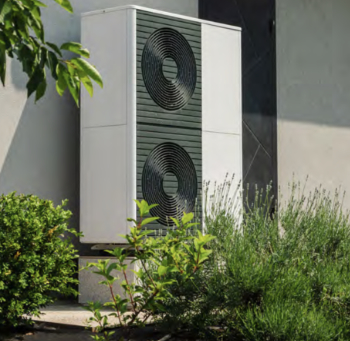
Technical Engineer runs through changes in regulations, innovations in materials, and product systems.
Awareness of the Carbon Border Adjustment Mechanism
What CBAM is and what to do about it.
The new towns and strategic environmental assessments
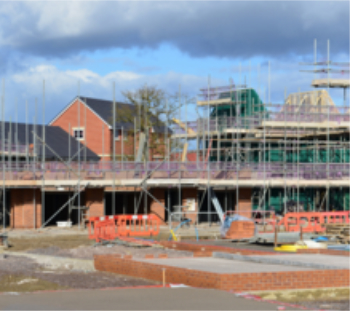
12 locations of the New Towns Taskforce reduced to 7 within the new towns draft programme and open consultation.

Buildings that changed the future of architecture. Book review.
The Sustainability Pathfinder© Handbook
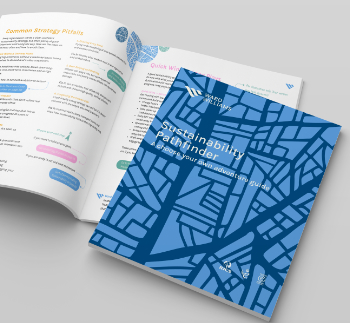
Built environment agency launches free Pathfinder© tool to help businesses progress sustainability strategies.

Government outcome to the late payment consultation, ECA reacts.
IHBC 2025 Gus Astley Student Award winners

Work on the role of hewing in UK historic conservation a win for Jack Parker of Oxford Brookes University.
Future Homes Building Standards and plug-in solar
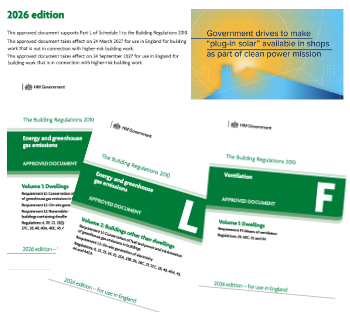
Parts F and L amendments, the availability of solar panels and industry responses.
How later living housing can help solve the housing crisis
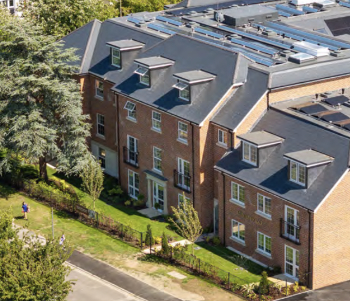
Unlocking homes, unlocking lives.
Preparing safety case reports for HRBs under the BSA

A new practical guide to preparing structural inputs for safety cases and safety case reports published by IStructE.
Male construction workers and prostate cancer

CIOB and Prostate Cancer UK encourage awareness of prostate cancer risks, and what to do about it.
Comments