






Main author
Michael BrooksLast Futures: Nature, Technology and the End of Architecture
Douglas Murphy – Last Futures: Nature, Technology and the End of Architecture
Published by Verso Books (Jan 2016)
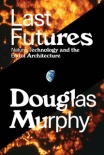
In the post-WW2 world, nations sought new ways to design their societies in a spirit of optimism that gained pace throughout the mid-century. By the 1960's this optimism and faith in the high modernism seemed to have no bounds and was nowhere more ardent than in the architectural movements and concepts that were gaining ground across the urban environment, most notably in the grand Expo's that captured the inspirational spirit of the 1851 Great Exhibition.
However, with the 1970's came the oil crisis, Mutually Assured Destruction of the nuclear states, Watergate, the dying days of the Vietnam War, fears of overpopulation, and the awareness that the last two centuries of industrialisation might in fact have done irreversible harm to the environment. In response to the apocalyptic mood of the times, the grand projects of architects and city planners were slowly but surely dismantled, leaving only ruins of the ‘last futures’ that continue to have a vestigial hold on the utopian imagination.
In the introduction to Last Futures, Douglas Murphy sets out his task as tackling the myths of the near future that proliferated through society at this time, ‘…a belief that good design would improve its users and that ordinary human beings were material to be moulded in the service of a grand vision.’ His approach is not to douse the optimistic ideals of the time with the pessimism of hindsight, but instead to examine them critically, placing them in the context of what was happening in the wider socio-political sphere.
Murphy covers a lot of ground in this slim and succinct book. He explores the firm Archigram and their megastructural visions; the huge counterculture movement that adopted Buckminster Fuller’s geodesic domes for their Drop City; and the way scientific rationalism and cybernetics helped influence projects such as the Plug-In City with their theories about how humans would live and interact with their urban surroundings.
While the chapter on the failures of high-rise social housing might suffer from thematic familiarity, the book is much stronger when exploring the theories that captured the public mood, such as Paul Erlich’s ‘The Population Bomb’, the Club of Rome group’s ‘Limits to Growth’, the rise of environmentalism and how these began to shift attitudes towards the architectural visions of figures such as Fuller and Frei Otto.
Anyone familiar with the documentaries of Adam Curtis will recognise several of the lines of 20th century examination being followed by Murphy, but this only makes for a more engaging read. The final chapter offers scant praise for the architectural visions of today, seeing the explosion of the digital landscape as part of the reason for the paucity of new ideas. Overall this is a very interesting book and thoroughly recommended.
Find out more here. http://www.versobooks.com/books/1963-last-futures
[edit] Find out more
[edit] Related articles on Designing Buildings Wiki
- Archigram.
- Architectural styles.
- Buckminster Fuller.
- Charles Waldheim - Landscape as Urbanism: A General Theory.
- Drew Plunkett - Revolution: Interior Design from 1950.
- Frei Otto.
- Futuro House.
- Geodesic dome.
- Habitat 67.
- High-tech architecture.
- Interview with Tom Dyckhoff.
- James Crawford - Fallen Glory.
- Megastructure.
- Metabolism.
- Nakagin Capsule Tower.
- Norfolk Terrace and Suffolk Terrace - 'the Ziggurats'.
- Owen Hatherley - Landscapes of Communism.
- Skyscraper.
- The Architecture of Neoliberalism.
- Vital Little Plans - book launch.
Featured articles and news
Costs and insolvencies mount for SMEs, despite growth
Construction sector under insolvency and wage bill pressure in part linked to National Insurance, says report.
The place for vitrified clay pipes in modern infrastructure

Why vitrified clay pipes are reclaiming their role in built projects.
Research by construction PR consultancy LMC published.
Roles and responsibilities of domestic clients
ACA Safety in Construction guide for domestic clients.
Fire door compliance in UK commercial buildings

Architect and manufacturer gives their low down.
Plumbing and heating for sustainability in new properties

Technical Engineer runs through changes in regulations, innovations in materials, and product systems.
Awareness of the Carbon Border Adjustment Mechanism
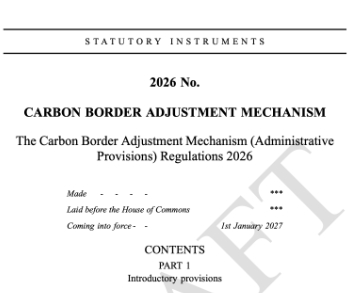
What CBAM is and what to do about it.
The new towns and strategic environmental assessments
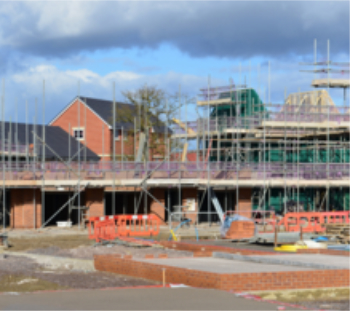
12 locations of the New Towns Taskforce reduced to 7 within the new towns draft programme and open consultation.
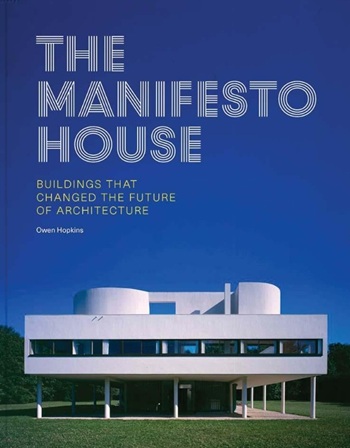
Buildings that changed the future of architecture. Book review.
The Sustainability Pathfinder© Handbook
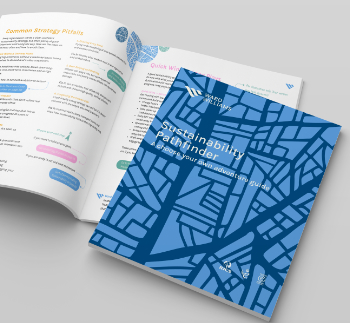
Built environment agency launches free Pathfinder© tool to help businesses progress sustainability strategies.
Government outcome to the late payment consultation, ECA reacts.
IHBC 2025 Gus Astley Student Award winners
Work on the role of hewing in UK historic conservation a win for Jack Parker of Oxford Brookes University.
Future Homes Building Standards and plug-in solar
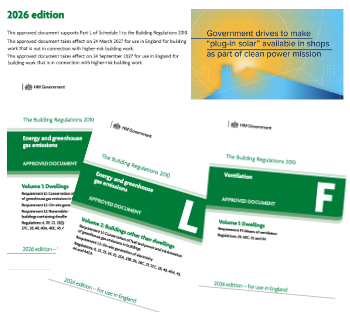
Parts F and L amendments, the availability of solar panels and industry responses.
How later living housing can help solve the housing crisis
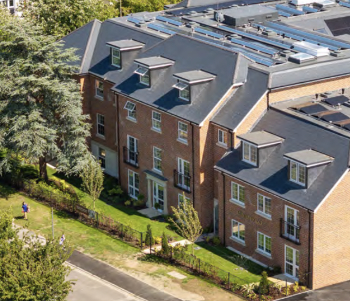
Unlocking homes, unlocking lives.
Preparing safety case reports for HRBs under the BSA
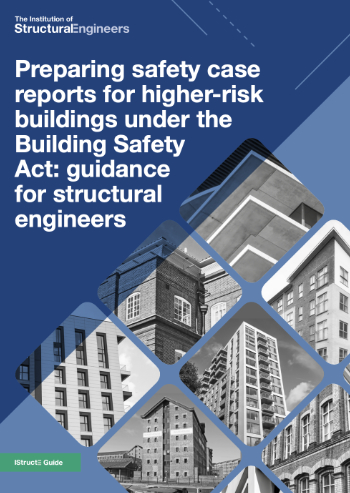
A new practical guide to preparing structural inputs for safety cases and safety case reports published by IStructE.
Male construction workers and prostate cancer

CIOB and Prostate Cancer UK encourage awareness of prostate cancer risks, and what to do about it.