






Improving a buildings appearance
Contents |
[edit] Introduction
The exterior finish of a building is an important feature. For many clients, beauty is only skin deep, and they will judge whether their builder has done a good job based on the finish. A building’s exterior also has to be finished properly to comply with the building regulations as poor workmanship could lead to a reduction in energy efficiency and water ingress.
Here are five tips on how to achieve the best results.
[edit] Tip 1: Check planning and advise the client
This is imperative as, while many small cosmetic changes will fall under permitted development, in some areas, planning laws will mean the exterior of a building will have to match other buildings around it. Whatever the outcome, advising and consulting with your client and the local authority is important. Offer advice on products and features that will add value, increase comfort and look great. This could include replacing concrete tiles with slate tiles, upgrading windows or adding Velux-style loft windows.
[edit] Tip 2: Get the pipework sorted
Repainting, repointing and rendering unsightly areas can really spruce up a property. The same goes for pipework – it can be ugly if not finished or maintained properly.
[edit] Tip 3: Choose your roof tiles, bricks or cladding carefully
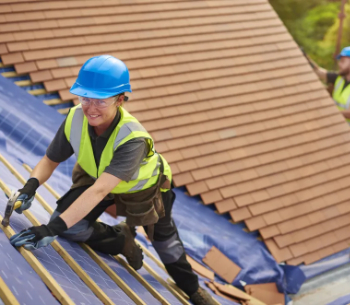
Roof tiling can make a vast difference to the look of a property. Concrete tiles have a clean and smooth finish and can be the choice for some buildings, but clay tiles, for instance, can enhance a property with their different hues and colour variations. In conservation areas you can expect to see clay tiles specified. Either way, if you’re replacing tiles, neither concrete nor clay tiles will truly match the ones lost from an old original roof. If a client won’t stretch to all-new tiles, then removing any moss or lichen can transform the overall look of the property.
For those homes with mismatched bricks or dated cladding (like stone cladding), the surface can be renovated in a variety of ways. Updating the colour of a brick can work wonders for kerb appeal and bricks can be either painted or stained. The main difference is that painting requires maintenance while a stain is completely absorbed by a brick and is a permanent solution (care must be taken not to reduce the air-permeability of the brick).
If the condition of the bricks is too rundown, render or cladding can improve the appearance. uPVC or laminate cladding is easy to maintain and clean, stone tiles are lightweight and can offer a traditional look while brick slips look like solid brick but are tiles made from clay to create a brick effect. If the overall look of the building is being changed, planning consent may be required.
[edit] Tip 4: Windows
Windows are crucial to the appearance of a property, both in terms of size and aesthetics. Check planning rules and look at the type of brick before specifying the colour of the windows. They definitely don’t have to be the traditional white these days. They can look fantastic in a wide range of colours from dark green to grey or even black. Does your client want a specific window to be a key feature, e.g. a porthole style which illuminates an upper extension gallery, or bi-folds which open onto a garden? The options are numerous but important. Extension lantern rooflight windows have seen a huge rise in popularity and look great too.
[edit] Tip 5: Light it!
Lighting the exterior of a building, and the garden, used to be the domain of large, expensive houses, but that’s not the case any more. Exterior lighting can add security and enhance the look of a building quite cost effectively. Lighting placed either side of the front door gives a great feeling of symmetry. If the house has a front garden, subtle lighting hidden in undergrowth can look fantastic. Up/down lighting has been a recent trend and motion sensors can be utilised around the property to help the owner on dark nights, while still augmenting the overall image of a building.
Featured articles and news
Costs and insolvencies mount for SMEs, despite growth
Construction sector under insolvency and wage bill pressure in part linked to National Insurance, says report.
The place for vitrified clay pipes in modern infrastructure

Why vitrified clay pipes are reclaiming their role in built projects.

Research by construction PR consultancy LMC published.
Roles and responsibilities of domestic clients

ACA Safety in Construction guide for domestic clients.
Fire door compliance in UK commercial buildings

Architect and manufacturer gives their low down.
Plumbing and heating for sustainability in new properties

Technical Engineer runs through changes in regulations, innovations in materials, and product systems.
Awareness of the Carbon Border Adjustment Mechanism
What CBAM is and what to do about it.
The new towns and strategic environmental assessments
12 locations of the New Towns Taskforce reduced to 7 within the new towns draft programme and open consultation.
Buildings that changed the future of architecture. Book review.
The Sustainability Pathfinder© Handbook
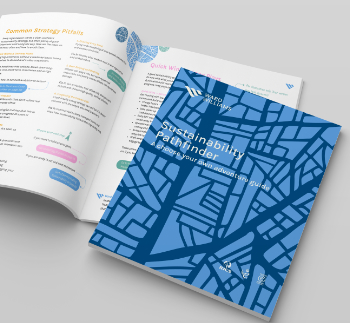
Built environment agency launches free Pathfinder© tool to help businesses progress sustainability strategies.

Government outcome to the late payment consultation, ECA reacts.
IHBC 2025 Gus Astley Student Award winners

Work on the role of hewing in UK historic conservation a win for Jack Parker of Oxford Brookes University.
Future Homes Building Standards and plug-in solar

Parts F and L amendments, the availability of solar panels and industry responses.
How later living housing can help solve the housing crisis
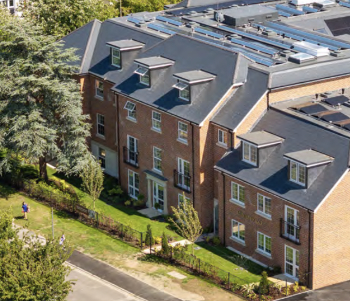
Unlocking homes, unlocking lives.
Preparing safety case reports for HRBs under the BSA

A new practical guide to preparing structural inputs for safety cases and safety case reports published by IStructE.
Male construction workers and prostate cancer

CIOB and Prostate Cancer UK encourage awareness of prostate cancer risks, and what to do about it.