






Hydraulically treated soils in residential construction (BR 513)
BRE (Building Research Establishment) is an independent, research-based consultancy, testing and training organisation, operating in the built environment and associated industries.
On 5 April 2017, BRE published Hydraulically treated soils in residential construction (BR 513) written by John Kennedy and Julie Bregulla.
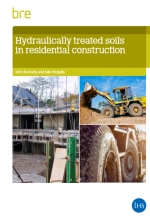
The 58 page publication focuses on soil treatment for residential construction, providing information on the technical issues to be considered when considering the use of soil treatment.
The soil treatment described in the guide refers to the process of using lime, cement, ground granulated blastfurnace slag (ggbs) and coal fly ash to render mainly wet natural or reworked natural soils suitable for use as engineered fill. Typically, the treatment alters the properties of the soil by removing free or excess water so that it can support foundations, ground floors, services and other infrastructure without excessive deformation.
Soil treatment has been a common process in road and airport construction in the UK since the 1970s, but its use in residential applications has been relatively limited.
BR 513 will help to inform developers, engineers and other building professionals wanting to learn more about soil treatment and its application, and suggests a regime of validation and testing to review the suitability and appropriateness of the technique.
The processes described use the traditional technique of in situ soil treatment to produce successive horizontal layers of treated soil. Other techniques that use deep column mixing or injection techniques applied vertically are not covered.
The contents of the guide include:
- Overview
- Background
- Purpose and objectives
- Part 2: Principles of soil treatment
- History
- The basis of soil treatment
- Current guidance and specifications for soil treatment in highways
- Experience of hydraulically treated fill for housing
- Overview
- Soils and treating agents: suitability and compatibility
- Suggested design protocol for housing
- Suggested laboratory design process for housing
- Site investigation to establish soil characteristics and suitability
- Construction
- Laboratory mixture design
- Construction control
- Verification of treatment
- Ancillaries
- References and bibliography
- Part 5: Appendices
- Hydraulically treated soil projects where expansion occurred
- Highways England protocol for soil treatment
- Actual use of hydraulically treated soil under house foundations
- Performance properties for hydraulically treated soils
[edit] Find out more
[edit] Related articles on Designing Buildings Wiki
- BRE articles on Designing Buildings Wiki.
- Brownfield land.
- Building on fill.
- Building Research Establishment.
- Construction dust.
- Contaminated land.
- Cover systems for land regeneration - thickness of cover systems for contaminated land (BR465).
- Deleterious materials.
- Demolition.
- Environmental engineering.
- Ground conditions.
- Ground investigation.
- Hazardous substances.
- Landfill tax.
- Methane and other gasses from the ground.
- Pollution.
- Pre construction information.
- Radon.
- Site appraisal.
- Site investigation.
- Soil survey.
- Soil treatment.
- Solid and liquid contaminants risk assessments.
- Types of soil.
Featured articles and news
Costs and insolvencies mount for SMEs, despite growth

Construction sector under insolvency and wage bill pressure in part linked to National Insurance, says report.
The place for vitrified clay pipes in modern infrastructure
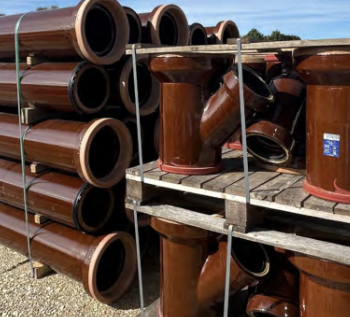
Why vitrified clay pipes are reclaiming their role in built projects.

Research by construction PR consultancy LMC published.
Roles and responsibilities of domestic clients

ACA Safety in Construction guide for domestic clients.
Fire door compliance in UK commercial buildings

Architect and manufacturer gives their low down.
Plumbing and heating for sustainability in new properties

Technical Engineer runs through changes in regulations, innovations in materials, and product systems.
Awareness of the Carbon Border Adjustment Mechanism
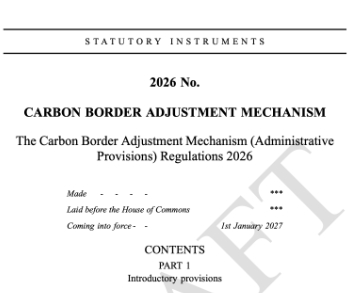
What CBAM is and what to do about it.
The new towns and strategic environmental assessments
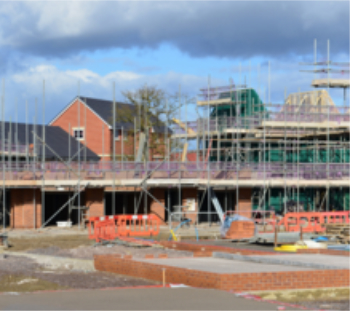
12 locations of the New Towns Taskforce reduced to 7 within the new towns draft programme and open consultation.

Buildings that changed the future of architecture. Book review.
The Sustainability Pathfinder© Handbook
Built environment agency launches free Pathfinder© tool to help businesses progress sustainability strategies.

Government outcome to the late payment consultation, ECA reacts.
IHBC 2025 Gus Astley Student Award winners

Work on the role of hewing in UK historic conservation a win for Jack Parker of Oxford Brookes University.
Future Homes Building Standards and plug-in solar
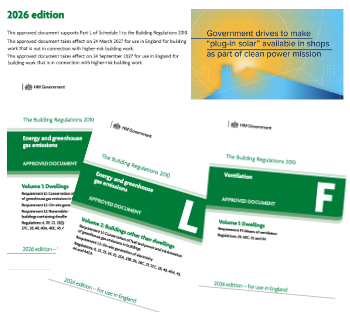
Parts F and L amendments, the availability of solar panels and industry responses.
How later living housing can help solve the housing crisis

Unlocking homes, unlocking lives.
Preparing safety case reports for HRBs under the BSA
A new practical guide to preparing structural inputs for safety cases and safety case reports published by IStructE.
Male construction workers and prostate cancer

CIOB and Prostate Cancer UK encourage awareness of prostate cancer risks, and what to do about it.