





Ground heave
Contents |
[edit] Introduction
Ground heave is the upward movement of the ground usually associated with the expansion of clay soils which swell when wet. As the soil generally cannot expand downwards or sideways, the result is that the exposed upper surface of the soil rises up. The impact of heave is opposite to the effect of subsidence which is where soil is unstable and sinks downward, or settlement which is caused by the weight of a building.
Displacement is generally less than 150 mm, however, even this level of movement can lead to serious structural damage to building foundations and fabric. Long-term damage could be incurred that may not be detected for some time, but can significantly affect a property’s value.
[edit] Causes of ground heave
The most common cause of ground heave is associated with trees which have died or been removed. As the root network no longer draws water from the subsoil, water accumulates in the ground, resulting in swelling that can move building structures upwards.
Additional causes of ground heave may include:
- ‘Stress relief’ (or overburden recovery) attributable to soil being removed from an excavation and so relieving pressure on layers below. This may occur for example in the construction of basements.
- A change in the level of the water table.
- Broken drains or nearby building works that interfere with existing ground drainage.
- Swelling of the sub-soils due to seasonal weather changes.
- Water expanding as it freezes causing soil to swell. Some particular soils, such as silty and sandy clays, can be more susceptible than others.
[edit] Signs of ground heave
Common signs of ground heave may include:
- Cracking to brickwork and windows. This cracking is more likely to be vertical, whereas subsidence cracking is more likely to be diagonal.
- Doors sticking as their frames become out of square.
- Lifting of paths and patios surrounding buildings.
[edit] Prevention and remedying of ground heave
Surveys will indicate whether heave has occurred that may impact upon a building, and may advise, for example, on the potential risks of proposed works such removing trees near buildings. Investigations may include visual inspection, historic research and drilling boreholes to determine the moisture profile of the soil.
Where heave is likely to be a problem, cellular structures may be installed beneath foundations and floor slabs to reduce the upward force of heave from transmitting to the structure above. For more information, see Cellular raft foundation.
Remedying damage due to ground heave can be a lengthy and expensive process. Where heave is the result of an underlying problem, remedial works such as repairing leaking drains or removing vegetation may resolve the problem.
Where the soil itself is prone to heave, underpinning may be necessary to stabilise structures. Excavated soil from beneath existing foundations is replaced with material, usually concrete, in a series of phases to form a new foundation beneath the existing one, reaching down to subsoils that are not prone to heave. It may be necessary to leave a cavity beneath the structure to accommodate future movement of the upper layers of soil.
[edit] Related articles on Designing Buildings Wiki
- Brownfield land.
- Cellular raft foundation.
- Contaminated land.
- Cracking and building movement.
- Defects in brickwork.
- Defects in construction.
- Defects in stonework.
- Driven piles.
- Foundations.
- Ground anchor.
- Ground conditions.
- Ground improvement techniques.
- Groundworks.
- Latent defects.
- Lateral loads.
- Remedial works.
- Settlement.
- Sinkholes.
- Subsoil.
- Tree rights.
- Tree root subsidence.
- Underpinning.
- Uplift force.
- Why do buildings crack? (DG 361).
[edit] External references
Featured articles
Check out some of the best features and news from Designing Buildings as well as key stories from around the web.
Bridging the gap between clients and contractors

Concerns remain around contractor quality, capability, and delivery.
Construction Management, 10 June.
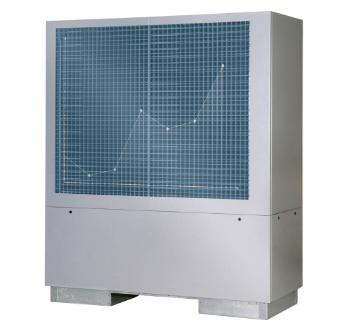
Heat pumps beat boilers in new home tests.
Building Safety Act implementation in Wales

CIAT to host industry panel on 26 June.

New and updated CLC building safety guidance.
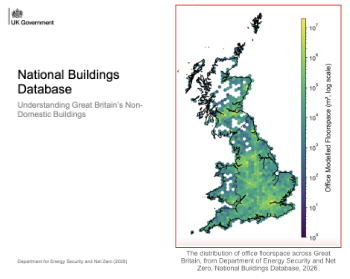
New UK National Buildings Database.
Building Safety Wiki Interviews

Chief executive of the British Woodworking Federation.
Planning condition discharge in England and Wales

A brief explanation from a building compliance expert, with further links.
Overheating guidance and tools for building designers

Guidance for dealing with element of building fabric control that have increasing importance.
Shading for housing, a design guide

From the Good Homes Alliance and British Blind and Shutter Association.
UK Standard Skills Classification (SSC)

A shared framework for describing skills needs.
Social media ban consultation comes to close

CIOB urges UK Government to consider social media’s role in careers guidance in ban debate.
Comments
Can anyone inform as to how many years heave will last?