





Expanded polystyrene
EPS foam insulation, is a polystyrene product that is uses a blowing agent (also called pneumatogens), most commonly Pentane, to produce the closed cellular structure made primarily of air. Blowing agents work in a variety of ways, essentially mechanically, physically, chemically or in combination, some such as CFC's have been banned. Applied to the liquid polystyrene material, the cellular structure created, increases thermal and acoustic insulation, as well as its stiffness, reducing density. Sometimes called Styrofoam, this is a lightweight, rigid foam board made from expanded polystyrene beads, with a low U value, moisture resistance, and versatility, commonly used in walls, roofs, and foundations.
Polystyrene is made by stringing together, or polymerising, styrene, a building-block chemical used in the manufacture of many products. Natural styrene occurs in small amounts in foods such as strawberries, cinnamon, coffee, peanuts and beef.
Polystyrene is normally derived from synthetic styrene, this is made from ethylbenzene, which is a monocyclic aromatic hydrocarbon, and a key product in the petrochemical industry. Polystyrene is made by stringing together, or polymerising, styrene, thus the building-block chemical used in the manufacture of many products including polystyrene. Natural styrene does also occur and exists in small amounts in foods such as strawberries, cinnamon, coffee, peanuts and beef.
To improve its performance in fire flame retardants maybe added, one common one is Hexabromocyclododecane (HBCD) promotes increased fire resistance, particularly in EPS. In the early 2000's HBCD was added to the Stockholm Convention list of on Persistent Organic Pollutants, which started with 12, known as the dirty dozen, later expanded to a little over 20.
Extruded Polystyrene (XPS) foam insulation is very similar to EPS but is in someways a higher quality denser product, so more hard wearing and water-resistant with equally or better insulating qualities. Often used in applications where moisture resistance and some strength is important such as below ground or below slabs. It is made by heating polystyrene resin beads or granules to a high temperature in an extruder, blowing agents are added, along with colouring agents to create the denser closed cellular structure. Common blowing agents used to produce XPS have been hydrofluorocarbons; HFC-134a and 142b.
Importantly although polystyrene can be classified as either a thermoset plastic or a thermoplastic, both EPS and XPS are usually classified as thermoplastics, meaning they can in theory be melted down and recycled so long as any site contamination and collection issues are overcome.
Another variation on cellular, blown or foam polystyrene which is extensively used in construction is Graphite Polystyrene (GPS). GPS has a polymer matrix which contains graphite, the high-purity graphite particles are introduced in to the raw material polystyrene beads, which are heated at high temperature and then treated with steam to create the cellular dense structure, in a similar way to standard polystyrene. The inclusion of graphite particles helps to increase the foam's resistance to the flow of heat by reflecting heat energy to a greater extent than standard polystyrene, also containing small pockets of air as with other cellular foam boards.
[edit] Related articles on Designing Buildings
- Acrylic.
- An in-depth look at Environmental Product Declarations EPDs.
- Celotex RS5000 PIR insulation.
- Composites.
- ETFE.
- Fire behaviour of expanded polystyrene.
- Forever Chemicals.
- Glass reinforced plastic.
- Grenfell Tower fire.
- Insulation.
- LPCB certification and Kingspan.
- Loss Prevention Standard.
- Packaging.
- Plastic.
- Polyethylene.
- Polyurethane (PUR).
- Polystyrene.
- Persistent organic pollutants (POP)
- Phenolic foam insulation.
- Polyurethane spray foam in structurally insulated panels and composite structures..
- Sandwich panel.
- Specifying insulation for inverted roofs.
- Thermal insulation for buildings.
- Transparent insulation materials.
- Types of insulation.
- Types of plastic in construction.
- What do design professionals need to know about U-value calculation conventions?
Featured articles
Check out some of the best features and news from Designing Buildings as well as key stories from around the web.

Why construction can't afford to ignore the skills gap.
Building Safety Regulator, 19 August

Gill Kernick appointed Independent Chair of Residents’ Panel.
Connecting knowledge, technology and conservation
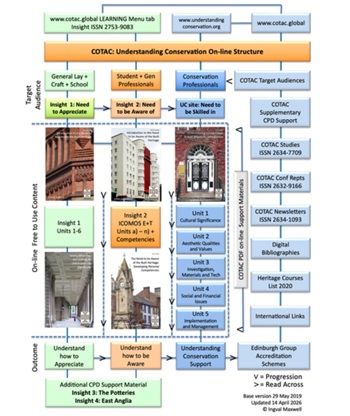
Building competence for the future of built heritage.
Building Regulations and Building Safety Act
CIOB publishes free advice for non-domestic clients.

Building Safety Newsletter from MHCLG.

An extraordinary record of steel engineering worldwide.
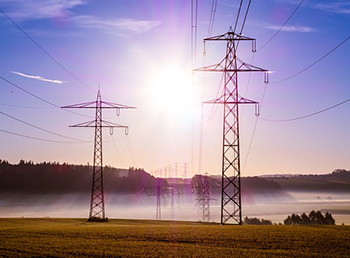
Households living near new pylons to save on bills.

ECA warns growth must not outpace grid capacity or skills.
The role of the client and decision making

CIOB response to built environment professions call for evidence.
Construction's sustainability reporting revolution
Tracking upfront embodied carbon with digital tools.
ECA welcomes procurement reforms

Public spending must back British jobs and skills.
Campaigning for Edinburgh: the Cockburn Association 1875-2049

The role of the civic voice in protecting character. Book review.