





Benefits of electrical prefabrication for future of construction
[edit] Electrical prefabrication: The future of construction and the advantages it offers!
The construction industry is transforming in a big way thanks to the introduction of electrical prefabrication. This innovative construction approach is revolutionising the way we build and stands to benefit many aspects of the construction industry. Electrical prefabrication has the potential to improve efficiency, reduce costs, and provide excellent safety on the job site. It also has the potential to change the way the construction industry is organised and operated.
[edit] What is Electrical Prefabrication?
Electrical prefabrication is the process of manufacturing electrical components in a controlled environment away from the construction site. Prefabrication reduces lead times, improves efficiency, and increases safety on the job site. These electrical parts can be standalone objects like an electrical distribution panel or parts of larger systems like control systems. Although electrical prefabrication has long been used in other industries, the construction industry has only recently adopted it. Any project and any stage of construction can benefit from using electrical prefabrication. The first step in the procedure is to create a thorough electrical design that is checked to make sure all the parts and systems work together as intended. A 3D version of this design is then created.
[edit] Benefits of Electrical Prefabrication
Reduced lead times are just one of the many advantages of electrical prefabrication. The electrical contractor can produce systems and components in advance thanks to the prefabrication process, which can significantly speed up installation. Electrical prefabrication can be used to reduce the risk of missing a deadline and help ensure that a project is finished on time if it has a tight deadline. Additionally, electrical prefabrication offers a safer working environment for all parties. This is because a number of things are true, such as the fact that the installed components are not live, that no materials are being transported on the job site, and that work can be done indoors where there is no risk from the elements. The use of electrical prefabrication may also lower overall construction costs. This is because of a number of things, including shorter lead times, greater efficiency, and the presence of all necessary materials on site. Additionally, electrical prefabrication is more eco-friendly and able to lessen pollution on the job site.
[edit] How Electrical Prefabrication Improves Efficiency
Electrical prefabrication offers a streamlined and effective workflow on the job site, which is one of its main advantages. As soon as the prefabricated electrical components are delivered to the job site, installation of them begins. This makes the transition from the electrical contractors to the builders simple. Additionally, electrical prefabrication makes it possible to order materials more quickly, which can reduce waiting times. By removing the need for some field adjustments, electrical prefabrication can also improve safety on the job site. This is because every component is thoroughly tested before installation. This means that any necessary adjustments can be made in a safe setting without running the risk of hurting someone.
[edit] How Electrical Prefabrication is Changing the Construction Industry
The entire construction industry could change as a result of electrical prefabrication. This will occur as the construction industry adopts and modifies the electrical prefabrication process. The rise in electrical contractors investing in prefabrication tools is one of the first indications of this. By prefabricating electrical components, electrical contractors can shorten the lead time for electrical work, increase overall productivity, and lower costs. Lead times for electrical contractors should be able to be cut by up to 40%, which can help shorten the overall project completion time. The kinds of projects that electrical contractors can take on are also changing as a result of electrical prefabrication. Electrical work has typically been related to building projects that demand a high level of customisation and detail. Because of this, electrical contractors have had to focus most of their attention on tasks related to building construction. However, electrical prefabrication is changing this by enabling electrical contractors to broaden their reach and carry out work that is less reliant on physical structures.
[edit] The Future of Electrical Prefabrication
The growth of electrical prefabrication will only continue to be positive for the entire construction sector. Electrical contractors will differentiate themselves from rivals by implementing the process efficiently and effectively, and the sector will develop into one with greater specialisation. This implies that in order to maximise efficiency and offer their clients the best service, contractors can concentrate on a single aspect of a process, such as electrical installation. However, electrical contractors must make sure they have the necessary tools and knowledge to implement electrical prefabrication. In order to implement electrical prefabrication, they must also ensure they are partnering with the right businesses that can offer the technology and systems needed.
[edit] Related articles on Designing Buildings
- Articles about electricity.
- Advanced construction technology.
- British post-war mass housing.
- Competition and the independent electric wholesalers.
- Component.
- Consumer electronics.
- Consumer units.
- Design for deconstruction.
- Design for Manufacture and Assembly (DfMA).
- Electrical appliance.
- Electrical equipment.
- Electrical installation.
- Electrical power.
- Electrical safety.
- Fabricated drainage stacks.
- Flying factory.
- Glossary of electrical terms.
- IET Wiring Regulations.
- In situ.
- Kit house.
- Modern methods of construction.
- Modular buildings.
- Off-site construction.
- Off-site manufacturing.
- Off site materials.
- Off site, on track.
- Platform approach to design for manufacture and assembly.
- Plug and play skyscrapers.
- Precast.
- Precast flat panel system.
- Prefabrication.
- Pre-manufactured value.
- Ronan Point.
Featured articles
Check out some of the best features and news from Designing Buildings as well as key stories from around the web.
ECA Edmundson apprentice of the year award
Finalists announced.
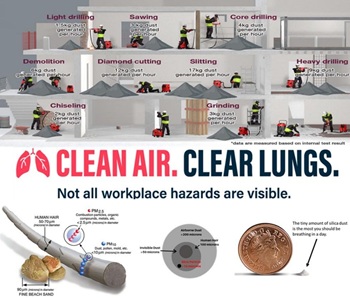
Major new study exposes serious knowledge gaps.

Generating energy from internal light as well as sunshine.

ECA welcomes plans to strengthen subcontractor quality control.

Combining mid-career qualifications with experience broadens career opportunities.

Why being a mentor can help your career.

Channel 4 broadcaster to host 125th anniversary ceremony.
Listed structures on the rail network

Heritage interests and operational requirements must be balanced.
Historic England publishes research into embodied carbon when retrofitting traditional buildings.

New Prime Minister delivers on ECA call for cut in electricity costs.

CIOB reacts to the announcement of Andy Burnham as Prime Minister.

Heritage and conservation science workforce survey - Have your say.