





Chartered architectural technologist
At its core, architectural technology is defined as the technology of architecture, acting as the critical link between design and construction. It focusses on how buildings are conceived, detailed, and delivered to ensure they function effectively, are buildable, and perform well over time. It combines creativity with scientific and engineering knowledge to optimise both the production process and the long-term performance of buildings. This includes a deep understanding of materials, components, and construction systems, ensuring that buildings are safe, durable, and sustainable.
It plays a vital role in ensuring that buildings meet not only technical requirements but also the diverse needs of users, including considerations of accessibility, health, safety, and overall quality of life.
Chartered Architectural Technologists are highly skilled professionals who leads the technological design process within construction projects. Their role is defined by their ability to bridge the gap between concept and realisation, ensuring that ideas can be translated into practical, buildable, and efficient solutions. They are responsible for integrating design intent with technical performance, ensuring that buildings work in reality as well as on paper.
A key aspect of the Chartered Architectural Technologist’s role is their capability to deliver full architectural design services. They are qualified to lead projects from inception through to completion, taking responsibility for both design and project management. This includes preparing detailed drawings and specifications, coordinating with other professionals, managing construction processes, and ensuring compliance with regulations and standards. Their expertise allows them to work across a wide range of project types and scales—from small domestic developments to large commercial buildings.
The profession is grounded in a strong technical knowledge base, underpinned by building science and engineering principles. This enables Chartered Architectural Technologists to make informed decisions about materials, construction methods, and environmental performance. Their work ensures that buildings are not only aesthetically appropriate but also efficient, sustainable, and resilient over time. In this sense, they play a pivotal role in achieving buildability—ensuring that designs can be constructed effectively—and in safeguarding long-term performance.
Collaboration is a central feature of the role. Chartered Architectural Technologists work closely with architects, engineers, contractors, and other stakeholders within multidisciplinary teams. Their ability to coordinate across disciplines helps ensure that projects are delivered smoothly and that design intentions are maintained throughout the construction process.
Professional recognition and regulation are key elements of the role. Chartered status is awarded by the Chartered Institute of Architectural Technologists (CIAT) and represents a protected and respected qualification. Chartered Architectural Technologists are required to adhere to a strict code of conduct, ensuring ethical and professional practice. They must also maintain their competence through continuing professional development (CPD), keeping up to date with industry developments, technologies, and best practices.
In addition, there are specific professional obligations associated with practising as a Chartered Architectural Technologist. Those providing services directly to clients must operate through a CIAT-registered practice and hold adequate professional indemnity insurance. They are also required to formalise their terms of engagement in writing, ensuring transparency and accountability in their professional relationships. These requirements reinforce the reliability and trustworthiness of the profession.
Opportunities for further specialisation are available, including becoming a Chartered Environmentalist or an Accredited Conservationist, allowing professionals to develop expertise in sustainability or heritage conservation.
You can find out more on the CIAT website at: https://architecturaltechnology.com/resources/the-at-suite.html
[edit] Related articles on Designing Buildings
- Architectural technologist.
- Architectural design.
- Architectural education.
- Architectural technician.
- Architectural technologist - delineation of roles.
- Chartered Institute of Architectural Technologists.
- CIAT articles.
- Pathways to qualification with the Chartered Institute of Architectural Technologists (CIAT)
- School of Architectural Technology.
- Studying architectural technology.
Featured articles
Check out some of the best features and news from Designing Buildings as well as key stories from around the web.

Your views needed - a strategy for the professions, trades and occupations.

Confronting competency, codes, capacity and costs.

The hidden risk in modern construction supply chains.
Construction Management, 10 June

24 months to 14: CITB launches accelerated apprenticeships.
Bridging the gap between clients and contractors

Concerns remain around contractor quality, capability, and delivery.
Construction Management, 10 June.
Heat pumps beat boilers in new home tests.
Building Safety Act implementation in Wales

CIAT to host industry panel on 26 June.
New and updated CLC building safety guidance.
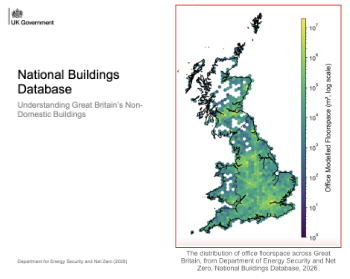
New UK National Buildings Database.
Building Safety Wiki Interviews

Chief executive of the British Woodworking Federation.
Planning condition discharge in England and Wales

A brief explanation from a building compliance expert, with further links.