





Buildability in construction

|
Buildability is a pre-construction exercise that assesses designs from the perspective of those that will manufacture, install components and carry out the construction works. It should not be confused with value engineering (which is used to solve problems and identify and eliminate unwanted costs) though some processes are common to both activities.
In very broad terms, buildability should assess elements of the design in relation to:
- Achieving the desired final quality;
- Meeting the programme requirements;
- De-risking perceived problems, and
- Achieving optimum value for money.
Buildability involves careful study and consideration of:
- The sequence of activities that will take place on- and off-site, taking into account the state of the building and its weatherproof environment at any time;
- Dimensional criteria, setting out and space allowances;
- Use of plant and equipment to save labour and time and prevent possible damage;
- Practicality, flexibility and tolerances;
- Standardisation of components and processes;
- Reduction in complexity to shorten learning curves;
- Identification of appropriate suppliers;
- Prefabrication opportunities;
- Packaging the works and allocation of scope in relation to trade and specialist contracts;
- Ease and order of interface connections and abutments;
- Installation and maintenance access arrangements including long-term replacement;
- Health and safety;
- Temporary works such as propping, facade retention, retaining facilities and trench support, crane supports, formwork, falsework and scaffolding, including gantries;
- Susceptibility to damage and protective procedures in-transit and in-situ;
- Weight and lifting requirements;
- Unloading operations;
- Spare parts, and
- Storage and waste management.
Advances in computer-aided design (CAD) and computer-aided manufacturing (CAM) as well as the introduction of building information modelling (BIM) are immensely helpful in visualising many aspects of buildability. However, the availability of technology does not remove the need for engaging practitioners who have hard-won experience and awareness of on-site practicalities and potential pitfalls.
The contractor is often best placed to advise on issues of buildability. And some procurement methods, such as construction management, management contracting and design and build allow early appointment of the contractor to offer advice and feedback on design proposals as they develop.
[edit] Related articles on Designing Buildings Wiki
- CDM.
- CDM planning period.
- Construction manager.
- Construction phase plan.
- Construction strategy.
- Design and build.
- Management contractor.
- Method statements.
- Modular building.
- Offsite manufacturing.
- Packaging.
- Pre-construction information.
- Prefabrication.
- Samples and mock-ups.
- Site layout plan.
- Site Waste Management Plan.
- Structural systems for offices.
- Temporary works.
- Tolerances.
- Value management.
Featured articles
Check out some of the best features and news from Designing Buildings as well as key stories from around the web.

Confronting competency, codes, capacity and costs.
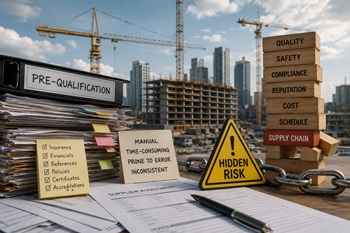
The hidden risk in modern construction supply chains.
Construction Management, 10 June

24 months to 14: CITB launches accelerated apprenticeships.
Bridging the gap between clients and contractors
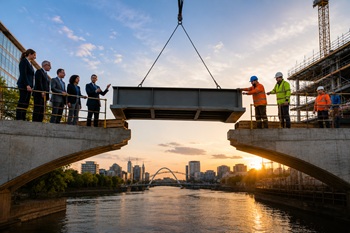
Concerns remain around contractor quality, capability, and delivery.
Construction Management, 10 June.
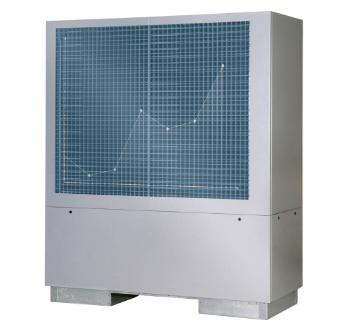
Heat pumps beat boilers in new home tests.
Building Safety Act implementation in Wales

CIAT to host industry panel on 26 June.

New and updated CLC building safety guidance.
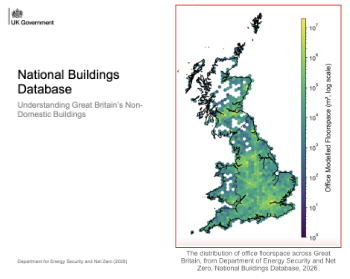
New UK National Buildings Database.
Building Safety Wiki Interviews

Chief executive of the British Woodworking Federation.
Planning condition discharge in England and Wales

A brief explanation from a building compliance expert, with further links.
Overheating guidance and tools for building designers

Guidance for dealing with element of building fabric control that have increasing importance.
Comments
To start a discussion about this article, click 'Add a comment' above and add your thoughts to this discussion page.