





Petrification

Contents |
[edit] What is petrification?
Petrification refers to something turning to stone. It is a term that has been used in classical architecture, but more specifically in geology as well as in mythology where beings might be turned to stone.
[edit] What are the origins of petrification?
In classical architecture petrification was used to describe how material use of the ancient Greeks shifted from wood to stone. It is considered to have contributed to the origins of the Doric order in classical architecture, where the established architectural vocabulary that had developed and been built in wood or timber was translated into stone, once materials and skills were available. The term has also been used later to describe the processes of transformation from cob and timber buildings in cities and towns across Europe during the post-medieval period (15-1700's), to brick and stone. This transformation was perhaps less about form but did have an impact on how development occurred.
[edit] What are the types of petrification?
In geology petrification (also called petrifaction) refers to the filling of pores found in organic material such as bone or wood with minerals, thus in effect turning the primary materials into a form of stone - a process of fossilisation. Geologically there are two processes involved in petrification; permineralization and replacement:
- The first stage of permineralization is when pore spaces and cavities of an organic material are filled with minerals such as calcite, quartz, pyrite, apatite (calcium phosphate) and siderite (iron carbonate) from the groundwater of deltas, floodplains or in relation to water soluble volcanic ash. The second stage is pyritization which is a similar process occurring in marine environments or where buried sediment contains iron and sulfur.
- Replacement as sugested is different because the orgainic material is to a greater or lesser degree replaced by the mineral. This process is significantly slower and describes biotic material replacement with abiotic minerals such as calcite, silica, pyrite, and hematite.
One example of petrification in the geological sense of the word and in relation to the construction of buildings is in the foundations of the city of Venice. The city was primarily built on wooden piles driven into marsh sediment, with thick timbers laid on top followed by the brick and mortar construction seen above water level. The wooden sub water foundations have petrified over many years, replacing the timber pores with minerals and thus giving them further strength.
Artificial petrification, although somewhat complex, has been performed by a number of institutions. One process involves bathing an organic material in acid, then in a silica solution to be air dried and then heated at extremely high temperature in argon. This is different to other similar processing of organic materials such as timber in solution baths and at high temperature such as in the production of biochar, thermo-treated wood or acetylation.
[edit] Related articles on Designing Buildings
Featured articles
Check out some of the best features and news from Designing Buildings as well as key stories from around the web.

The real barrier to getting more value from digital technology.

Your guide to The Construction Reset at UKCW Birmingham.

Accommodating the Victorian and Edwardian working woman. Book review.
Rethinking passive fire protection in design

PFP demands the same level of design rigour as structure or services.

38% of Gen Zs feel safe when a fire door is wedged open.
Stunning images from around the world
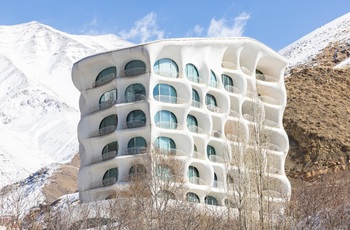
Shortlist for CIOB’s Art of Building photography competition.

Guidance for conversion of traditional pre-1919 stone buildings.
Industrial heritage in the Ruhr

A marked difference to the fate of industrial landscapes in the UK.
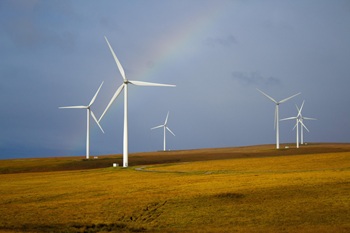
Communities will be able to build their own clean energy.
Why diversity and inclusion matters for SMEs

CIOB’s D&I Charter shows how practical changes can support long-term growth.
Cut electricity bills to power growth

Coalition sends joint letter to the Chancellor.

Gasholders: a history in pictures. Book review.
Comments
[edit] To make a comment about this article, click 'Add a comment' above. Separate your comments from any existing comments by inserting a horizontal line.