





Sanitary pipework

Sanitary pipework is above-ground pipework that is used to carry water from toilets, sinks, basins, baths, showers, bidets, dishwashers, washing machines, and so on, out of a building to the sewage system. The equivalent underground pipework is referred to as foul drainage and sewers.
According to the Building Regulations Approved Document G, every modern home must have a WC fitted that is connected direct to the drainage system, with a basin fitted next to the WC with a supply of hot and cold water. In addition, every home must have a fixed bath or shower with a hot and cold water supply, and all appliance connections that are connected to the drainage system must have a trap to prevent odours and dangerous gases building up inside.
Sanitary pipework system should be designed according to the Building Regulations Approved Document G and H, and should conform with BS EN 12056:2:2000, 'Gravity drainage systems inside buildings. Sanitary pipework, layout and calculation'.
Traditionally, sanitary pipework was manufactured using metals such as cast iron, copper or lead; however, modern designs predominantly use plastics such as uPVC, high-density polyethylene (HDPE), polypropylene and so on. They are generally connected by some form of welding (such as solvent welding) or using push-fit fittings.
The pipes are designed to different diameters depending on the appliance which they are connected. For example, a WC typically uses a 110 mm diameter pipe; baths, showers, sinks, washing machines use 40 mm diameter pipes; a bidet uses a 32 mm diameter pipe, and so on. The pipes are laid out to a slope or ‘fall’ which allows wastewater to drain away without leaving debris behind and avoiding blockages.
Sanitary pipework is typically connected to a soil vent pipe (SVP) which is a vertical pipe often attached to the exterior of a building that connects the drainage system to a point just above the level of the roof gutter allowing odours to be released. Venting the stack prevents water seals in traps from being broken by pressure build ups in the system.
[edit] Related articles on Designing Buildings
- Air admittance valve.
- All eyes up to plastic rainwater systems.
- Approved Document H.
- Bidet.
- Cesspool.
- Drainage.
- Drainage stack.
- Greywater.
- Lavatorium.
- Pipework.
- Plumbing.
- Private sewer.
- Public sewer.
- Rain gutter.
- Rainwater downpipe.
- Rising main.
- Sanitaryware.
- Septic tank.
- Sewer construction.
- Sewerage.
- Sink.
- Soil vent pipe.
- Waste water.
Featured articles and news
Costs and insolvencies mount for SMEs, despite growth

Construction sector under insolvency and wage bill pressure in part linked to National Insurance, says report.
The place for vitrified clay pipes in modern infrastructure
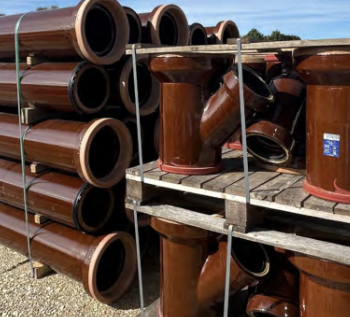
Why vitrified clay pipes are reclaiming their role in built projects.

Research by construction PR consultancy LMC published.
Roles and responsibilities of domestic clients
ACA Safety in Construction guide for domestic clients.
Fire door compliance in UK commercial buildings

Architect and manufacturer gives their low down.
Plumbing and heating for sustainability in new properties
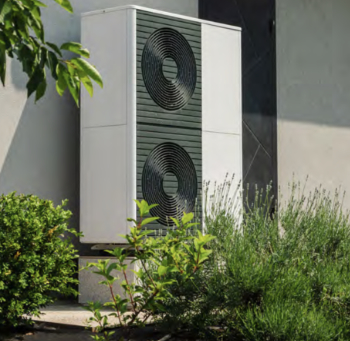
Technical Engineer runs through changes in regulations, innovations in materials, and product systems.
Awareness of the Carbon Border Adjustment Mechanism
What CBAM is and what to do about it.
The new towns and strategic environmental assessments
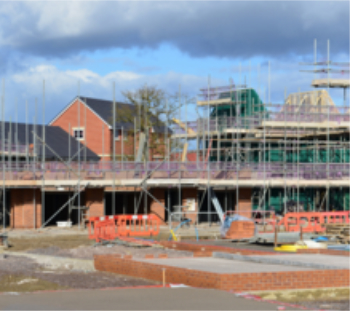
12 locations of the New Towns Taskforce reduced to 7 within the new towns draft programme and open consultation.

Buildings that changed the future of architecture. Book review.
The Sustainability Pathfinder© Handbook
Built environment agency launches free Pathfinder© tool to help businesses progress sustainability strategies.

Government outcome to the late payment consultation, ECA reacts.
IHBC 2025 Gus Astley Student Award winners
Work on the role of hewing in UK historic conservation a win for Jack Parker of Oxford Brookes University.
Future Homes Building Standards and plug-in solar
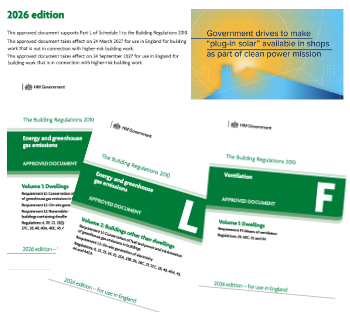
Parts F and L amendments, the availability of solar panels and industry responses.
How later living housing can help solve the housing crisis
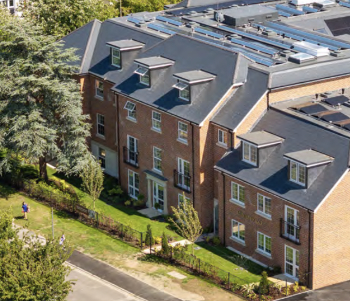
Unlocking homes, unlocking lives.
Preparing safety case reports for HRBs under the BSA
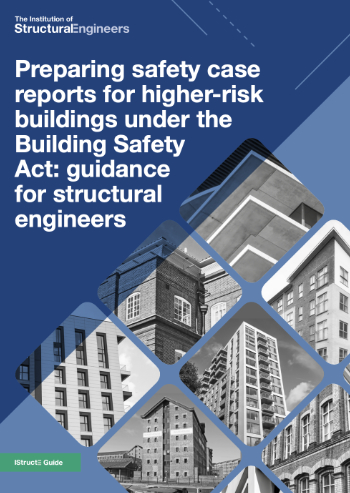
A new practical guide to preparing structural inputs for safety cases and safety case reports published by IStructE.
Male construction workers and prostate cancer

CIOB and Prostate Cancer UK encourage awareness of prostate cancer risks, and what to do about it.
Comments