





Unpriced bill of quantities
A bill of quantities (BoQ) is an important document prepared by a quantity surveyor (or cost consultant) which itemises the type, form and amount of material that will be required on a project, including quantities of labour and other items. Quantities may be measured in number, length, area, volume, weight or time and are known as ‘measured quantities’.
A BoQ may be priced, in that prices are given by suppliers for each item. The sort of considerations that might be considered when pricing work include current costs of materials, machinery hire and transport, wages, overhead expenses associated with administration and so on.
In contrast, an ‘unpriced bill’ is a BoQ that is essentially a template: it breaks down the work required on a project into exact tasks but has no measured quantity (or price) by each task. The information is arranged into a form that is suitable for direct pricing by a supplier, describing the individual items to be priced and the numbers, amounts or quantities of each required for the project.
It is up to the company tendering for the project to insert against each task what it will charge the client to complete that task. This priced bill of quantities constitutes the tenderer's offer. It is the unpriced bill of quantities, but with the tenderer’s rates, costs and totals added.
The preparation, by the client’s consultants, of an unpriced bill of quantities means all tendering contractors will be pricing the same quantities (rather than taking-off quantities from the drawings and specifications themselves), and so provides a fair and accurate system for tendering. It also makes it possible to compare both the overall price and individual items directly with other tenderers’ offers, allowing a detailed assessment of which aspects of a tender may offer good or poor value. This information can assist with tender negotiations.
[edit] Related articles on Designing Buildings Wiki
- Approximate bill of quantities.
- Approximate quantities.
- Bill of quantities.
- Bill of quantities breakdown structures.
- Bill of quantities software.
- Common Arrangement of Work Sections (CAWS).
- Common mistakes in bill of quantities.
- Comparison of SMM7 with NRM2.
- Elemental bill of quantities.
- Firm bill of quantities.
- How to take off construction works.
- Measurement.
- New Rules of Measurement.
- NRM1.
- NRM2.
- NRM3.
- Standard Method of Measurement (SMM7).
- Taking off.
- Tender documentation.
- Tender pricing document.
- Uniclass.
- Working up construction works.
- Work package bill of quantities.
- Work section bill of quantities.
Featured articles and news
Cutting construction carbon footprint by caring for soil

Is construction neglecting one of the planet’s most powerful carbon stores and one of our greatest natural climate allies.
ARCHITECTURE: How's it progressing?
Archiblogger posing questions of a historical and contextual nature.
The roofscape of Hampstead Garden Suburb

Residents, architects and roofers need to understand detailing.
Homes, landlords. tenants and the new housing standards

What will it all mean?
The Architectural Technology podcast: Where it's AT

Catch-up on the latest episodes.
Edmundson Apprentice of the Year award 2026
Entries now open for this Electrical Contractors' Association award.
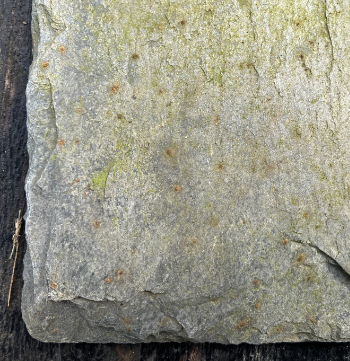
Traditional blue-grey slate from one of the oldest and largest UK slate quarries down in Cornwall.

There are plenty of sources with the potential to be redeveloped.
Change of use legislation breaths new life into buildings

A run down on Class MA of the General Permitted Development Order.
Solar generation in the historic environment

Success requires understanding each site in detail.
Level 6 Design, Construction and Management BSc

CIOB launches first-ever degree programme to develop the next generation of construction leaders.

Open for business as of April, with its 2026 prospectus and new pipeline of housing schemes.
The operational value of workforce health

Keeping projects moving. Incorporating unplanned absence and the importance of health, in operations.
A carbon case for indigenous slate
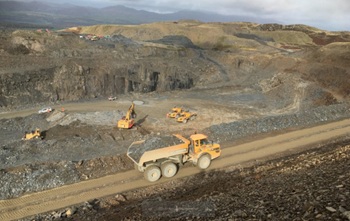
UK slate can offer clear embodied carbon advantages.
Costs and insolvencies mount for SMEs, despite growth

Construction sector under insolvency and wage bill pressure in part linked to National Insurance, says report.