





The minimum energy performance of buildings Bill
[edit] Introduction
The Minimum Energy Performance of Buildings Bill is currently (2022) making its way through Parliament. The effects of this proposed law have cost implications for building owners, with a knock-on effect for tenants.
[edit] The Minimum Energy Performance of Buildings Bill and EPC at a glance
If everything goes according to schedule, the proposed energy-related changes are set to come into force in December 2025 for new tenancies. The changes are required by December 2028 for existing agreements. For both categories, the changes are required only where “practical, cost-effective, and affordable”.
[edit] Existing regulations
The current Minimum Energy Efficiency Standards Regulations bars the approval of new leases of ‘sub-standard’ domestic and non-domestic properties. This denotes a property with an energy efficiency rating of F or G.
The Energy Performance of Buildings Regulations also currently require an Energy Performance Certificate to be procured before a building is put on the market. This EPC rating should be stated in all advertising related to the property.
[edit] Changes under the minimum energy performance of buildings Bill
If the bill goes forward, any residential tenancy granted on or after 31 December 2025 is required to have an energy efficiency performance of at least Band C. Existing tenancies have until December 2028 to reach this threshold. Non-domestic landlords are expected to follow suit by 2030.
[edit] The risk of non-compliance
It is likely that leases entered into after December 2025 without meeting energy efficiency requirements will be regarded as illegal. It is expected that the penalties will closely mirror those of the existing Minimum Energy Efficiency Standards Regulations, which includes fines of up to – or even surpassing – £5000.
[edit] What is a good building energy rating?
The proposed new energy performance standards put forward by the Minimum Energy Efficiency Standards Regulations require new tenancies have an energy efficiency rating of C. Existing tenancies are required to achieve this by December 2028.
This band is gauged using the Standard Assessment Procedure, which measures energy efficiency on a scale of 1 to 100 (100 being the best). Band C falls in the bracket of 69 to 80.
[edit] How do you measure energy performance of a building ?
The provisions of the Minimum Energy Performance of Buildings Bill and related regulations are important for the achievement of the government's 2050 energy goals. With 4.4 million privately rented homes in England – 19% of the country’s housing stock – it is concerning that only 60% of homes within the sector are set to meet the targets if energy efficiency transformation continues at the current rate.
It is anticipated that almost half the rented homes in England will be affected by the new provisions of the bill. The effect on buy-to-let landlords has the potential to be very costly (it has been reported that it could cost these landlords up to £10 000 to improve the energy performance certificate of their properties – and many would rather sell than face the expense).
With these kinds of statistics in mind, it is clear that a smart approach is needed. Propertymark has put forward recommendations including diversified solutions according to the age, condition, and size of a property. They have also called on local councils to devise aggressive retrofit solutions to tackle the changes. The use of smart energy monitoring and related technologies in the smart building environment are a key component of measuring and meaningfully improving the energy performance of a building.
[edit] How can buildings improve energy efficiency ?
- Smart energy monitoring, measurement, and management
- The move to automated lighting and electrical processes
- Advanced smart metering and submetering
- The shift to renewable energy sources
- Ensuring good maintenance of equipment
- Key equipment monitoring
- Focus on fine-tuning ventilation by best understanding usage and implementing data-inspired changes
- Adjust behaviour around heating and cooling trends
- Consider space optimisation around usage, utilising data for design
By implementing smart building energy control solutions, like those available from Smarter Technologies Group, buildings stand to simply and cost-effectively improve energy efficiency.
[edit] About the article
This article was supplied via press release on October 17 from the Smarter Technologies Group’s newest press release, written by Matthew Margetts; Director of Sales and Marketing at Smarter Technologies.
[edit] Related articles on Designing Buildings
- Artificial intelligence for smarter, safer buildings.
- Artificial intelligence in buildings.
- BSRIA study shows uptake of convergence and IoT in commercial buildings.
- Building automation.
- Building management systems.
- Smart homes may be where the smart money is.
- Smart meter.
- Smart meter owners report higher, not lower, bills.
- Smart technology.
- What are the benefits of smart homes for Millennial end-users?
Featured articles and news
Costs and insolvencies mount for SMEs, despite growth

Construction sector under insolvency and wage bill pressure in part linked to National Insurance, says report.
The place for vitrified clay pipes in modern infrastructure

Why vitrified clay pipes are reclaiming their role in built projects.

Research by construction PR consultancy LMC published.
Roles and responsibilities of domestic clients

ACA Safety in Construction guide for domestic clients.
Fire door compliance in UK commercial buildings

Architect and manufacturer gives their low down.
Plumbing and heating for sustainability in new properties
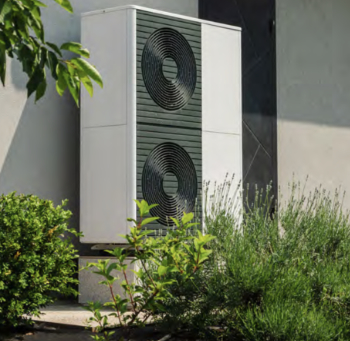
Technical Engineer runs through changes in regulations, innovations in materials, and product systems.
Awareness of the Carbon Border Adjustment Mechanism
What CBAM is and what to do about it.
The new towns and strategic environmental assessments

12 locations of the New Towns Taskforce reduced to 7 within the new towns draft programme and open consultation.

Buildings that changed the future of architecture. Book review.
The Sustainability Pathfinder© Handbook
Built environment agency launches free Pathfinder© tool to help businesses progress sustainability strategies.
Government outcome to the late payment consultation, ECA reacts.
IHBC 2025 Gus Astley Student Award winners

Work on the role of hewing in UK historic conservation a win for Jack Parker of Oxford Brookes University.
Future Homes Building Standards and plug-in solar
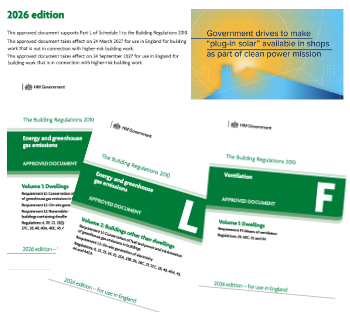
Parts F and L amendments, the availability of solar panels and industry responses.
How later living housing can help solve the housing crisis

Unlocking homes, unlocking lives.
Preparing safety case reports for HRBs under the BSA
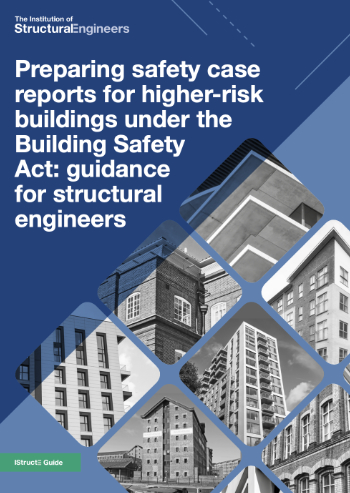
A new practical guide to preparing structural inputs for safety cases and safety case reports published by IStructE.
Male construction workers and prostate cancer

CIOB and Prostate Cancer UK encourage awareness of prostate cancer risks, and what to do about it.
Comments
[edit] To make a comment about this article, click 'Add a comment' above. Separate your comments from any existing comments by inserting a horizontal line.