






The Pros and Cons of a Tiled Roof Conservatory
Contents |
[edit] Tiled roof conservatories
Converting an unused space in an existing home into functional space, can be helped by using composite slate conservatory roof tiling systems. From the interior thermal efficiency improvement to the outside appearance, tiled roofs can offer several benefits compared to traditional polycarbonate or glass roofs, here some of the pros and cons of a tiled roof conservatory are investigated.
[edit] Pros of a tiled roof conservatory
[edit] Improved thermal efficiency
Tiled roofs provide better insulation, helping to maintain a more stable and comfortable temperature inside the conservatory. This means that it will be warmer in the winter and cooler in the summer, making the space more usable year-round.
[edit] Reduced energy bills
Because of the improved insulation, you may find that you need to use less heating or cooling to maintain a comfortable temperature, leading to potential energy cost savings.
[edit] Reduced glare
Tiled roofs can help to reduce glare from the sun, making it more comfortable to use the conservatory on bright, sunny days.
[edit] Noise reduction
Tiled roofs can provide better sound insulation compared to polycarbonate or glass roofs. This can be particularly beneficial during heavy rain or hailstorms, as it can help to dampen the noise.
[edit] Improved aesthetic appeal
Tiled roofs can be more visually appealing and can blend in better with the overall design of the house. There are a variety of tile styles and colours available, allowing you to choose a look that complements your home.
[edit] Increased privacy
A solid tiled roof can provide more privacy compared to a transparent or semi-transparent roof, which may be important if your conservatory overlooks a neighbour's property.
[edit] Low maintenance
Tiled roof conservatory generally require less maintenance compared to glass or polycarbonate roofs. They are less prone to damage from hail, branches, or debris, and they do not suffer from issues like algae growth that can occur on some transparent roofing materials.
[edit] Potential increase in property value
A well-designed and constructed conservatory with a tiled roof can add value to your property, as it increases the usable living space and improves the overall aesthetic appeal.
[edit] Cons of a tiled roof conservatory (not many!!)
[edit] Weight considerations
Tiled roofs are heavier than other roofing options, so it's crucial to ensure that the conservatory's structure can support the additional weight. Reinforcements may be necessary.
[edit] Reduced natural light
Tiled roofs block out natural light, which may make the conservatory feel darker during the day. This can be mitigated by incorporating roof windows or skylights.
[edit] Planning permission and building regulations
Depending on your location and the specifics of the installation, you may need to obtain planning permission or comply with building regulations. Consulting with a professional contractor or architect is recommended when considering any major changes to your conservatory.
Related articles on Designing Buildings
- Battens.
- Building an extension.
- Ceiling tiles.
- Ceramic tiles.
- Domestic roofs.
- Dwarf wall.
- Flashing.
- Flat roof defects.
- How to build a porch.
- How to lay bricks.
- Licence to alter.
- Listed buildings.
- Metal profile cladding.
- Metal roofing.
- Mud room.
- Nails - a brief history.
- Photocatalytic tiles.
- Pitched roof.
- Party Wall Act.
- Planning permission.
- Roof coverings.
- Roof insulation.
- Roof slates.
- Roofing defects.
- Shingle roofing.
- Thatch roofing.
- Tiles.
- Types of nails.
- Types of roof.
- Weatherboarding.
- Widow's walk.
- Winter Garden.
Featured articles
Check out some of the best features and news from Designing Buildings as well as key stories from around the web.

A quick introduction.
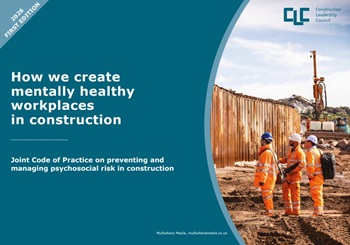
CLC publishes Mental Health Joint Code of Practice.
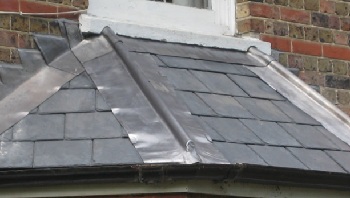
A quick introduction to its uses and risks.
Construction Management, 17 June

Government rolls out digital planning tool to all local authorities.

Your views needed - a strategy for the professions, trades and occupations.

Confronting competency, codes, capacity and costs.

The hidden risk in modern construction supply chains.
Construction Management, 10 June

24 months to 14: CITB launches accelerated apprenticeships.
Bridging the gap between clients and contractors

Concerns remain around contractor quality, capability, and delivery.
Construction Management, 10 June.
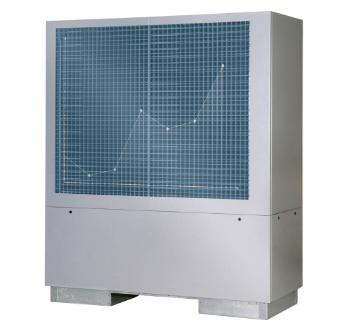
Heat pumps beat boilers in new home tests.
Building Safety Act implementation in Wales

CIAT to host industry panel on 26 June.