






How to solve the bricklayer skill crisis?
Contents |
[edit] How to solve the bricklayer skill crisis?

|
| The latest Federation of Masters Building Survey in Q1 2019 indicates that 64% of construction businesses are struggling to hire bricklayers. While the situation is not new, it has worsened steadily since 2013. |
[edit] What is the scale of the bricklayer skill shortage in the UK?
According to ONS data, there were nearly 60,000 people involved in brickwork in the UK as of August 2018.
The Letwin report commissioned by the UK government in 2018 estimates the shortage of bricklayers to 15,000, almost a quarter of the bricklayer workforce.
As the UK suffers from an under-supply of new homes, the 2017 Autumn Budget set out an ambition to deliver 300,000 new homes in England per year. However, with 75% of bricklayers involved in the construction of new homes, a shortage has a real impact on the ability of the UK to deliver its planned new homes.
[edit] Why are there shortages of bricklayers?
In general, the construction industry suffers from an ageing workforce, a lack of training of young people, and a mismatch between the training offered and the real needs of the construction businesses.
Only 359 apprenticeships were started in the last three years in bricklaying and around 2,000 young people leave college each year with a technical certificate in bricklaying, which is well below the 15,000 bricklayers the country needs.
While salary is not an issue, with an average annual salary of £42k, according to the Federation of Master Builders, up to £90k in London, it is often the volatility of the demand for work and the lack of an attractive career path that can deter candidates from embracing a career in bricklaying.
[edit] How to address the situation?
From a government perspective, the Letwin report recommends an immediate “flash” programme of “on-the-job” training over the next five years, requiring the training capacity to double for bricklayers, with greater cooperation between government and construction businesses. In the long term, more effort to promote careers in construction in schools and colleges would help reduce the skill gaps.
Additionally, there is a relatively small proportion of bricklayers coming from outside the UK, 7.4% according to the ONS report on Migrant Labour Force in August 2018, vs. 15.5% for general labourers.
The Chartered Institute of Building's (CIOB) research report of January 2019 recommends adding bricklayers to the 'Shortage Occupation Lists' to facilitate the employment of foreign bricklayers, particularly post-Brexit.
From a construction business perspective, taking on apprentices and spending time giving work experience to young people is critical. A City & Guilds report had shown that less than half of construction businesses in the UK had plans to take on apprentices over the coming year and more than 60% had not offered unpaid work experience in the past 12 months.
As the majority (90%) of bricklayers are self-employed, hiring bricklayers on a temporary basis (for example via temporary recruitment agencies), can be another solution to address these recruitment challenges.
Finally, embracing technology may also be a way to address the issue in the long term. The UK is the country where developers have the greatest appetite to use construction robotics (47% vs. 34% worldwide). While bricklaying robots are still in their infancy, their manufacturers claim that they could lay 3,000 bricks a day, 5 to 10 times more than a human bricklayer.
This article was written by Caroline Pegden, Director of TempaGoGo on 09 May 2019.
[edit] Related articles on Designing Buildings Wiki
Featured articles and news
Costs and insolvencies mount for SMEs, despite growth

Construction sector under insolvency and wage bill pressure in part linked to National Insurance, says report.
The place for vitrified clay pipes in modern infrastructure
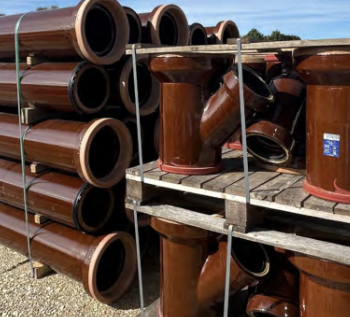
Why vitrified clay pipes are reclaiming their role in built projects.

Research by construction PR consultancy LMC published.
Roles and responsibilities of domestic clients

ACA Safety in Construction guide for domestic clients.
Fire door compliance in UK commercial buildings

Architect and manufacturer gives their low down.
Plumbing and heating for sustainability in new properties

Technical Engineer runs through changes in regulations, innovations in materials, and product systems.
Awareness of the Carbon Border Adjustment Mechanism
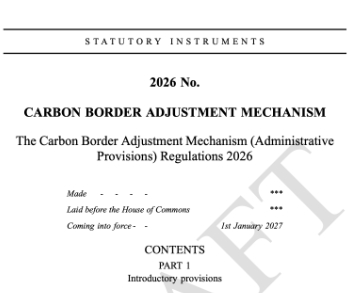
What CBAM is and what to do about it.
The new towns and strategic environmental assessments
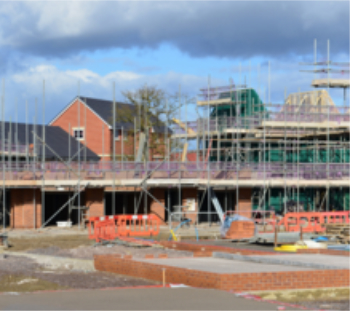
12 locations of the New Towns Taskforce reduced to 7 within the new towns draft programme and open consultation.

Buildings that changed the future of architecture. Book review.
The Sustainability Pathfinder© Handbook
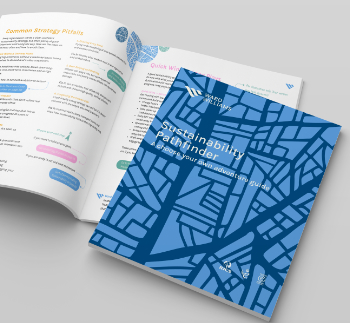
Built environment agency launches free Pathfinder© tool to help businesses progress sustainability strategies.

Government outcome to the late payment consultation, ECA reacts.
IHBC 2025 Gus Astley Student Award winners

Work on the role of hewing in UK historic conservation a win for Jack Parker of Oxford Brookes University.
Future Homes Building Standards and plug-in solar
Parts F and L amendments, the availability of solar panels and industry responses.
How later living housing can help solve the housing crisis

Unlocking homes, unlocking lives.
Preparing safety case reports for HRBs under the BSA
A new practical guide to preparing structural inputs for safety cases and safety case reports published by IStructE.
Male construction workers and prostate cancer

CIOB and Prostate Cancer UK encourage awareness of prostate cancer risks, and what to do about it.
Comments
We could stop building houses out of bricks, which as well as solving the problem of a shortage of bricklayers, would also be better for the planet.